
Most Californians trying to address insomnia, anxiety-driven sleep disruption, or trauma-linked sleep problems face confusing choices between one-size-fits-all apps and clinical services with limited access or high out-of-pocket costs. Insurance hurdles, inflexible pricing, and tools that lack integration with therapy or real clinical guidance leave many people stuck cycling between self-guided routines and uncoordinated medical care. After reading you will be able to compare six sleep therapy solutions across remote clinical programs, app-based CBT-I, meditation platforms, and sleep tracking technologies to choose the approach that best matches your financial, accessibility, and clinical needs.
Table of Contents
- Revive Health Therapy
- The Sleep Reset
- Stellar Sleep
- Calm
- Simple Habit
- Sleep.ai
- Comparing Therapy and Sleep Self-Care Services
Revive Health Therapy
At a Glance
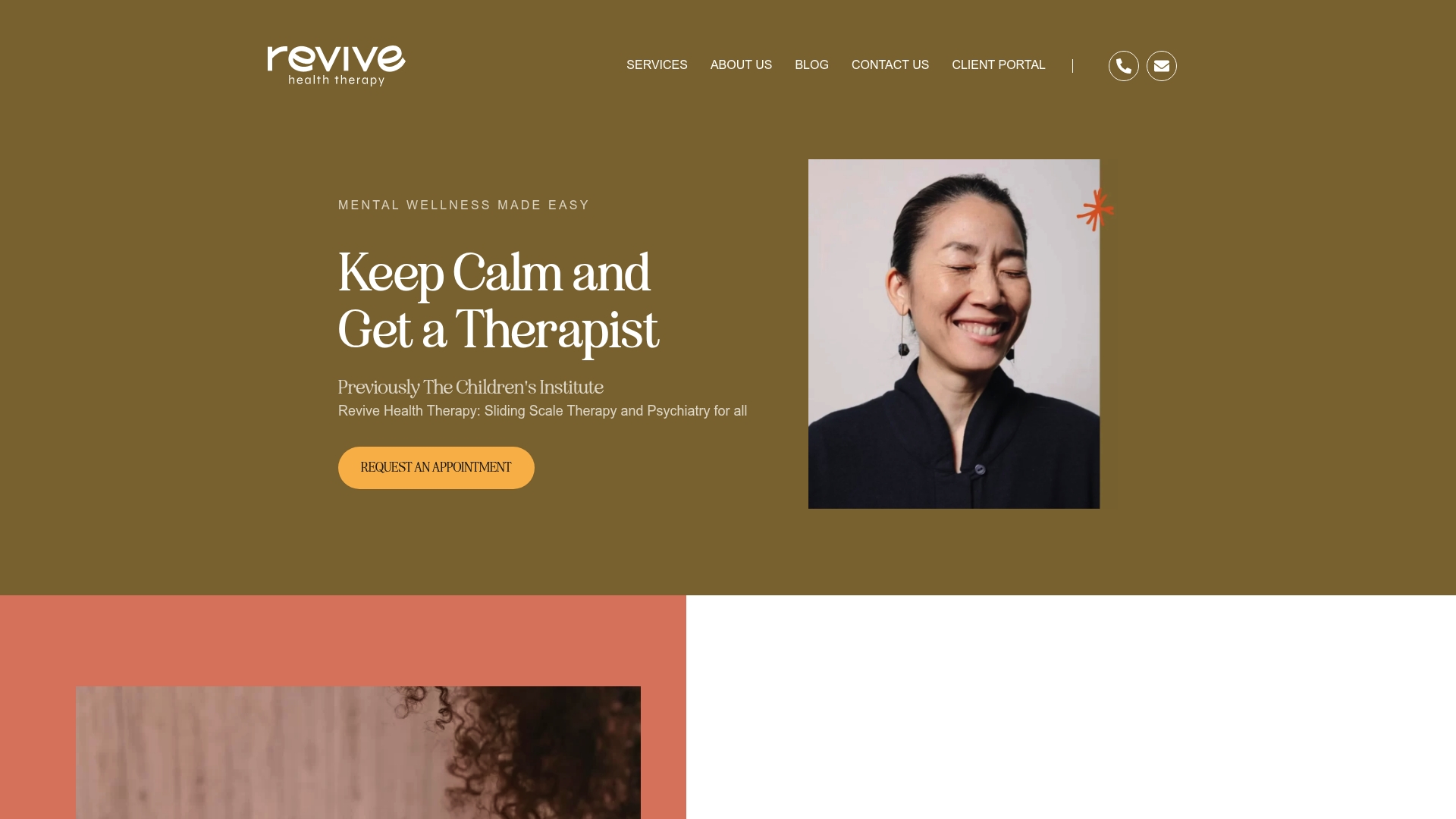
Sliding-scale fees available, with in-person clinics in Walnut Creek, Oakland, and San Francisco and secure telehealth offered statewide. This mix of local offices plus remote sessions makes therapy accessible for Californians who need flexible scheduling, lower out-of-pocket costs, or shorter commutes.
Core Features
- Sliding-scale & flexible pricing with insurance billing support and receipts for reimbursement.
- In-person therapy locations in Walnut Creek, Oakland, and San Francisco alongside secure telehealth across California.
- Diverse clinical approaches including EMDR, CBT, and mindfulness-based interventions.
- Personalized therapist matching process to pair clients with appropriate clinicians and modalities.
- Services for individuals, couples, families, children, teens, and organizational partnerships.
Key Differentiator
Offers sliding-scale, evidence-based therapy with in-person and telehealth options across California, pairing trauma-informed approaches with a deliberate therapist matching process. That combination reduces financial and logistical barriers while focusing treatment on proven modalities for anxiety, depression, and trauma.
Pros
-
Accessible pricing lowers financial barriers. Sliding-scale options and insurance receipts, including HSA and FSA eligibility where applicable, make ongoing care more realistic for many families.
-
Multiple access paths reduce wait and travel friction. You can book local sessions in Walnut Creek, Oakland, or San Francisco, or continue care by telehealth when travel is impractical.
-
Range of clinical skills supports complex presentations. Therapists trained in EMDR, CBT, and mindfulness allow treatment for trauma, anxiety, and sleep-related distress in an integrated way.
-
Team diversity and trauma-informed practice create a welcoming environment. Clients who need sensitivity around trauma or identity report a clearer path to stability through tailored care.
-
Organizational partnerships and family services expand support beyond individual therapy to systemic needs in schools or workplaces.
Cons
- Limited digital tooling beyond telehealth. The practice does not advertise app-based programs, automated self-help tools, or third-party integrations, so tech-forward clients may find features missing.
Who It’s For
Californians of any age dealing with anxiety, depression, trauma, relationship conflict, or sleep problems tied to mental health. Ideal for people who want evidence-based modalities, flexible pricing, and a local clinic option plus statewide telehealth coverage.
Unique Value Proposition
Sliding-scale fees plus both local clinics and statewide secure telehealth define the offering. The combination of insurance billing support, therapist matching, and modalities like EMDR and CBT delivers accessible, clinically grounded care for clients who need ongoing therapy without a large financial burden.
Real World Use Case
A parent in California books a telehealth intake for a teen with anxiety, uses sliding-scale fees based on income, and continues weekly CBT-informed sessions with an assigned therapist. The family moves to occasional in-person check-ins at the Oakland office when needed.
Pricing
Pricing varies by income and session type; sliding-scale fees and insurance billing support are available. Exact rates depend on clinician level and session length, and staff will discuss HSA or FSA reimbursement during intake.
Website: https://revivehealththerapy.com
The Sleep Reset
At a Glance
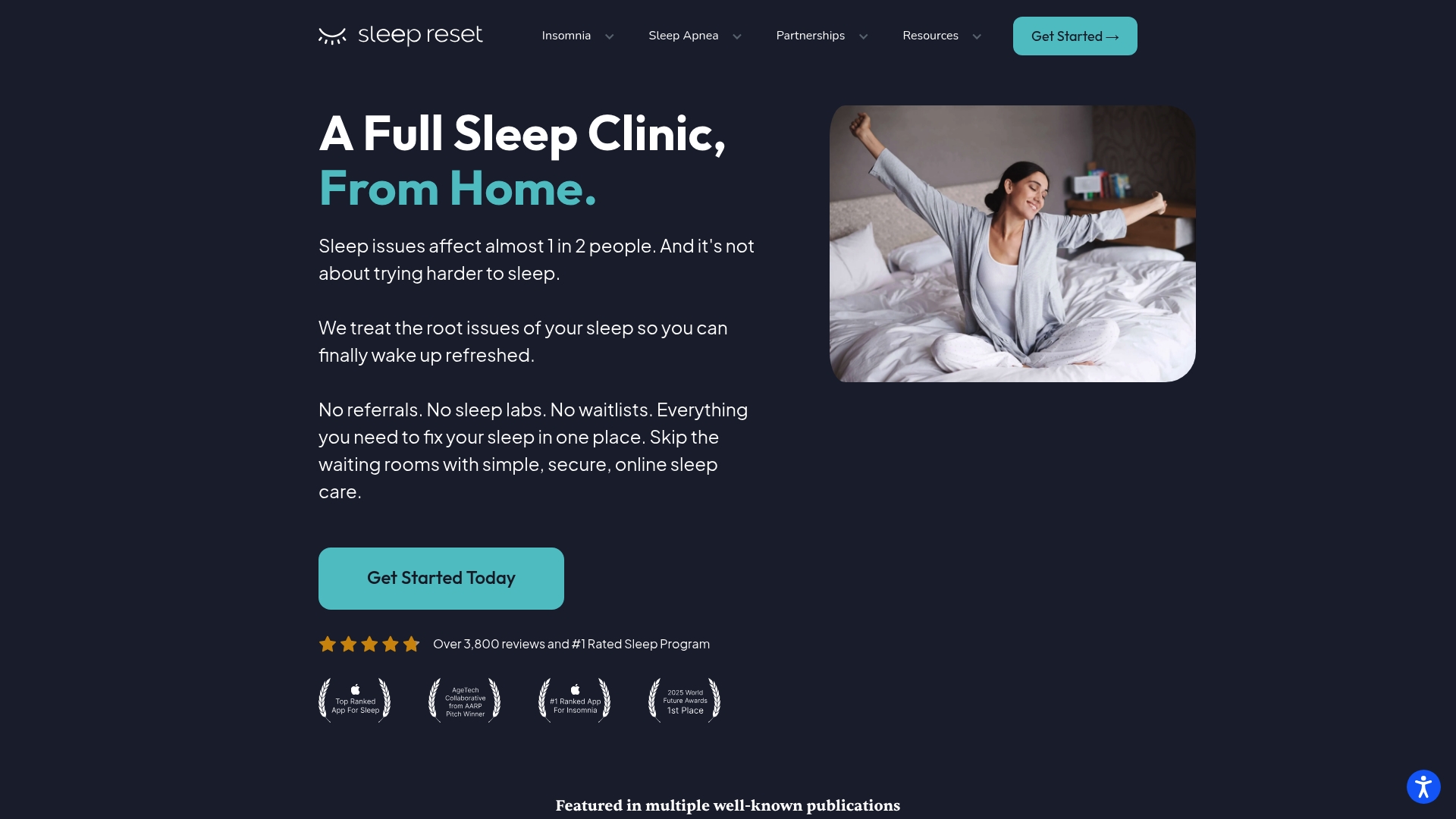
End-to-end sleep care from home with at-home diagnostic testing and clinician-guided CBT-I, all available without referrals or long waitlists. The company reports its program is clinically validated and advertises measurable reductions in sleep aid reliance for many users.
Core Features
- CBT-I-based insomnia treatment with dedicated sleep coaches and structured digital lessons.
- Personalized sleep assessment and diagnostic testing, including a home sleep apnea test that can be completed at home.
- Medical management for sleep apnea, covering CPAP therapy and oral appliance pathways through telehealth.
- Real-time telehealth with licensed clinicians and app-based sleep tracking and progress monitoring.
Key Differentiator
At-home diagnostics, CBT-I therapy, and medical management for sleep apnea delivered within the same virtual program. Compared with ReviveHealthTherapy, which focuses on trauma-informed psychotherapy across anxiety and depression, The Sleep Reset targets sleep disorders specifically and routes users from diagnosis to device or therapy remotely.
Pros
- The company reports average improvements of 1.5 hours more sleep and a 71 percent reduction in reliance on sleep aids, figures drawn from vendor materials rather than independent audits.
- No referral or clinic waitlist required so California residents can start assessment quickly, and The Sleep Reset states it accepts insurance in many states.
- Licensed clinicians run diagnostic pathways, so patients can get a medical evaluation and treatment recommendations without an extra referral step.
- Telehealth plus app tracking keeps progress visible daily, which helps people with anxiety or trauma-linked sleep problems follow structure between sessions.
Cons
- Several third-party reviews report billing problems and slow escalation when users need urgent help, a real consideration for those with complex insurance situations.
- Some users describe unhelpful coach interactions, which suggests variability in clinician experience across the network.
- The CBT-I pathway requires consistent engagement over multiple weeks, typically around 28 days before noticeable gains, so adherence matters.
When It May Not Fit
If you need an in-lab polysomnography or immediate, same-day in-person assessment for complex sleep disorders, this at-home focused model may fall short. If rapid customer support or hands-on device troubleshooting matters, reported limitations in real-time support could frustrate you. Low motivation for multiweek programs reduces likely benefit.
Notable Integrations
Supports sleep tracking apps via in-app diaries so clinician reviews include nightly patterns. That connection helps translate device or CPAP adherence data into session notes without manual exports.
Who It’s For
Adults with persistent insomnia or suspected sleep apnea who want a medically oriented, at-home treatment path. Especially relevant for Californians managing sleep disruption tied to anxiety, depression, or trauma who prefer telehealth and insurance-covered care when available.
Unique Value Proposition
At-home diagnostic sleep testing, CBT-I therapy, and CPAP or oral appliance management all available inside one virtual program. That single-path model shortens the route from diagnosis to treatment for people who want sleep medicine and behavioral therapy under coordinated clinician oversight.
Real World Use Case
A middle-aged Californian with chronic insomnia and mild sleep apnea completes the Sleep Reset assessment, follows the CBT-I program, and receives a home sleep test. Over months they reduce nightly wakefulness and transition from medication reliance to behavioral sleep strategies plus targeted medical management.
Pricing
Program costs vary by required components and are provided after the initial assessment. The company states insurance is accepted in many states and that HSA or FSA billing can apply depending on coverage.
Website: https://thesleepreset.com
Stellar Sleep
At a Glance
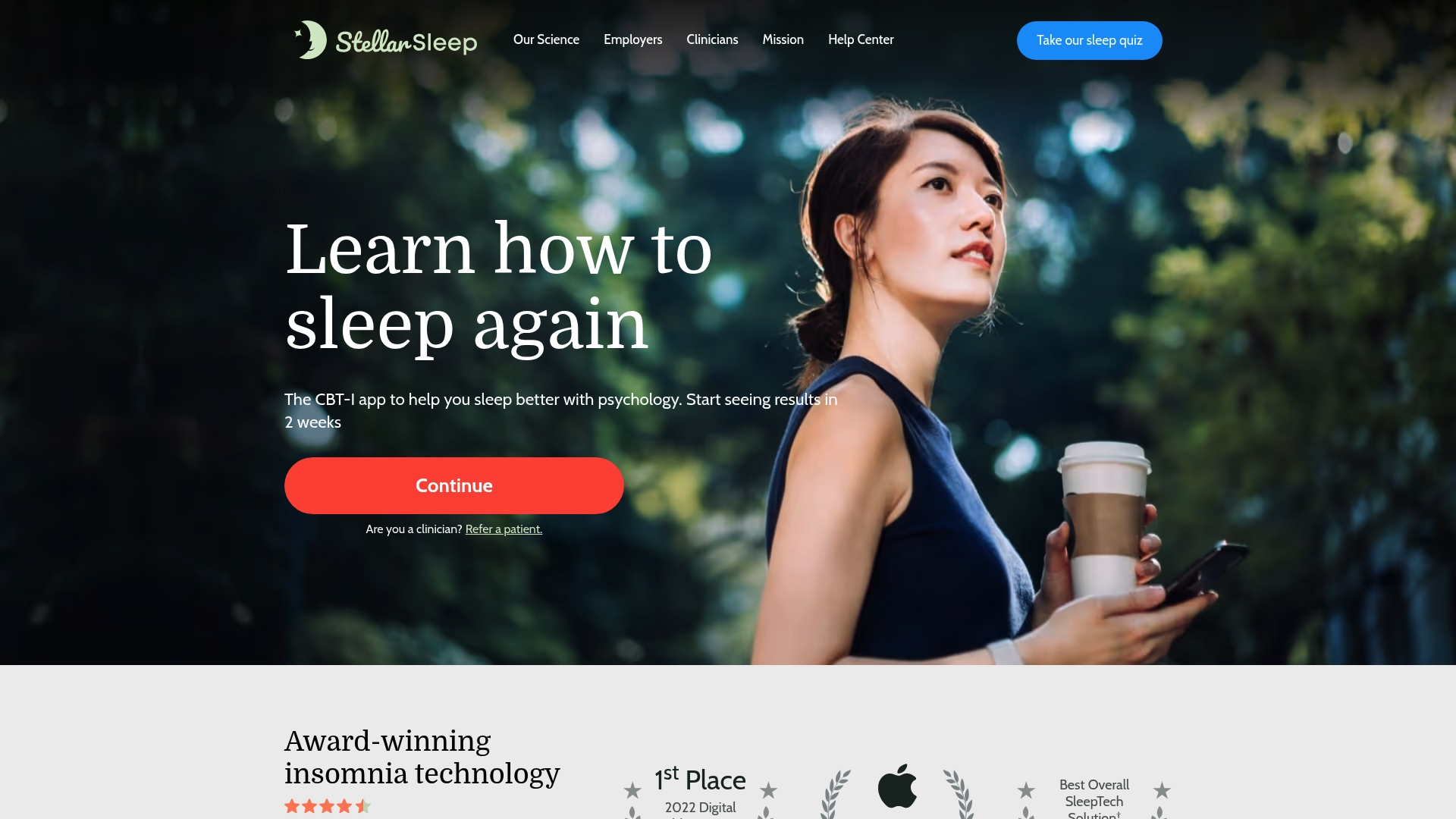
Stellar Sleep reports clinically supported improvements within two weeks and advertises a 4.8 out of 5 rating from more than 500 customers. The app packages CBT-I techniques into short daily exercises that fit a busy schedule.
Core Features
Personalized programs adapt to your sleep history, stress levels, and daily routines. The app teaches CBT-I skills including sleep restriction and paradoxical intentions alongside cognitive restructuring exercises.
Daily check ins take about ten minutes, the app tracks progress, and programs aim to replace anxious bedtime habits with healthier ones over weeks rather than months.
Key Differentiator
According to the company, Stellar Sleep delivers rapid behavioral change by focusing exclusively on proven insomnia techniques rather than general wellness content. That narrow design targets insomnia mechanisms directly and prioritizes short, repeatable practice over broad lifestyle coaching.
Pros
- Rapid focus on insomnia mechanisms helps you practice targeted strategies instead of hunting through long modules. Many users report faster improvement.
- The app fits brief daily routines. Ten minutes a day is manageable for people balancing work or caregiving in California.
- Clinically rooted approach draws from behavioral sleep medicine, which is useful when anxiety or rumination drives night waking.
- The vendor advertises awards and research partnerships, which supports credibility when you want an evidence-based app rather than unvetted tips.
- Mobile access on iOS and Android makes it possible to follow programs while commuting or between appointments.
Cons
- Third party reviews indicate recurring complaints about subscription practices and customer service responsiveness, which some users describe as confusing during trial sign ups.
- Several reviewers report login or onboarding friction that interrupted early progress for them.
- The app is not a substitute for medical evaluation. Users with untreated sleep apnea or complex medical conditions need in-person care.
When It May Not Fit
If you need an integrated clinical team, in-person therapy, or medical diagnostics, an app-only program will feel narrow. People requiring CPAP management, medical sleep studies, or multisession trauma therapy should choose clinic-based care instead.
Notable Integrations
Stellar Sleep runs on iOS and Android and syncs sleep logs within the app. There are no listed integrations with electronic medical records or telehealth platforms in the vendor materials.
Who It’s For
Adults living with chronic insomnia who want a focused, psychology driven tool to change bedtime behavior. It works well for Californians balancing therapy, work, and family who prefer self-guided programs before or alongside in-person care.
Unique Value Proposition
Stellar Sleep reports clinically supported, two week improvements and centers its offering on high fidelity CBT-I techniques. That single minded focus makes the app a practical short program for people who want measurable sleep change without weekly therapy sessions.
Real World Use Case
A California resident with anxiety driven sleep onset uses the nightly module and sleep restriction plan for two weeks. According to the company, tracking and consistent practice reduce time awake at night and lower bedtime worry.
Pricing
Plans start at $188 USD for a basic subscription. The vendor advertises financial assistance options and FSA or HSA coverage where eligible.
Website: https://stellarsleep.com
Calm
At a Glance
Calm advertises over 500 Sleep Stories and a broad library of guided meditations and soundscapes that can be downloaded for offline use. According to the company, that catalog is paired with wearable and TV support to make sleep and stress tools available across devices.
Core Features
- Guided meditations for stress, anxiety, focus, gratitude, and sleep, grouped into short sessions and multi-week programs.
- Sleep Stories and Sleep Meditations designed to help users fall asleep with narrated tales, ambient soundscapes, and calming music.
- Mood tracking and sleep check-ins to record trends and session history.
- In-the-moment tools like Breathe Bubble and Panic SOS for acute stress relief.
- Cross-device compatibility including mobile apps, web access, Apple TV, and wearable support.
Key Differentiator
According to the company, Calm pairs long-form narrated Sleep Stories with short, actionable meditations and ambient tracks so you can pick a tool for the moment. That combination aims to serve both nightly sleep routines and brief workplace stress breaks without switching platforms.
Pros
- Large, varied library helps you build a consistent sleep routine. Calm’s marketing and public listings highlight the breadth of Sleep Stories and meditations for different needs.
- Downloadable content supports offline use during travel or low-signal nights, which is practical for commutes across California or weekend trips to the Sierra.
- Family and organizational plans let households or small teams share access under a single subscription, useful if you manage sleep tools for teens or partners.
- Wearable and TV compatibility moves relaxation out of the phone. For example, guided breathing on an Apple Watch or a Sleep Story on a TV reduces screen exposure before bed.
- Short, structured programs help establish daily habits. If you prefer a 10-minute practice rather than a long class, there are many options to fit into a workday.
Cons
- Users report recurring subscription billing problems, including difficulty cancelling or unexpected charges, which can be stressful for people on fixed budgets.
- Customer support is often automated or slow, and several users describe long delays resolving access or login issues after payment.
- Some paying users say premium content remained locked or unrecognizable after purchase, creating frustration when trying to rely on a nightly routine.
When It May Not Fit
Not suitable for people who need intensive clinical care or ongoing psychotherapy. Calm’s programs are self-guided tools and cannot replace therapy for trauma, severe depression, or complex anxiety disorders. The subscription model and reported billing issues also make it a poor fit for users who need predictable, invoice-based payments.
Notable Integrations
- Apple Watch for guided breathing and short meditations.
- WearOS and Google WearOS support for Android wearables.
- Apple TV and smart TV playback for Sleep Stories on a larger screen.
- Samsung Health connectivity to sync basic activity and usage markers.
Who It’s For
People in California seeking low-friction, self-guided support for sleep and everyday anxiety who want tools they can use on mobile, wearables, or a TV. Best for those looking to complement therapy or coaching with daily habit work rather than replace clinical care.
Unique Value Proposition
Calm advertises its huge Sleep Story catalog and cross-device playback as the core benefit. That specific mix of long-form sleep narration plus brief stress tools makes it practical for someone who needs both nightly routines and quick in-the-moment relief.
Real World Use Case
A commuter in Oakland uses a 10-minute midday guided meditation to reset after work and a narrated Sleep Story on the TV to wind down. Downloaded tracks let the user keep a consistent routine on weekends in Lake Tahoe without streaming.
Pricing
Calm uses a subscription-based model with a free trial. The company states plans and costs vary by region and often include monthly and annual options, with family and organizational pricing tiers available.
Website: https://calm.com
Simple Habit
At a Glance
The company reports over 2,000 guided sessions across mobile, web, and tablet platforms, with subscription options that include monthly, yearly, and a one-time lifetime purchase. The app positions itself as a daily tool for stress reduction, focus, and better sleep routines.
Core Features
- Over 2,000 guided sessions led by expert teachers covering brief 5 to 20 minute practices for mornings, commutes, and bedtime.
- Available on iOS, Android, Web, so sessions move with you between phone, tablet, and desktop.
- Flexible subscription choices: monthly, yearly, and a lifetime plan reported by the vendor for one-time access.
Key Differentiator
The company reports a deep library plus a lifetime access option, which is rare among meditation apps. The vendor advertises recognition from Google and Apple and media endorsements, giving the app mainstream discoverability for new users.
Pros
- Well positioned on major app stores. The vendor advertises recognition by Google and Apple, which helps if you discover apps through those platforms.
- Large session library reduces repetition. For someone building a nightly wind down, more choices mean you can rotate instructors and formats.
- Flexible pricing fits different commitments. The lifetime option can make sense if you plan to use daily for years.
- Multi device access supports use during commutes, waiting rooms, and bedside routines, which matters for busy California schedules.
- Vendor messaging emphasizes stress reduction and focus, making the app an easy adjunct to therapy or coaching sessions.
Cons
- No substantive third party reviews are available in the product data, so independent user sentiment and long term retention are hard to verify.
- Pricing may be a barrier for casual users who want free, always free, alternatives.
- The product data does not list clinically supervised programs or formal integration with mental health providers, which limits claims about clinical treatment.
When It May Not Fit
If you need evidence based sleep treatment for trauma or clinically supervised interventions, this app alone will not replace a licensed therapist. If you prefer free open source tools or want robust independent user reviews before buying, Simple Habit reports features but lacks third party evaluation in the provided data.
Who It’s For
California residents with anxiety, depression, or trauma who want short, guided practices to use alongside therapy, coaching, or self help routines. Also useful for busy professionals who need quick, accessible sessions during commutes or to calm down before sleep.
Unique Value Proposition
The company reports a large expert library combined with a lifetime purchase option for long term users. That mix makes Simple Habit a practical choice for people who prefer paying once and keeping access rather than renewing yearly or monthly.
Real World Use Case
A Bay Area clinician-in-training uses Simple Habit during a BART commute to downshift before shifts and again as a five minute pre sleep routine after therapy homework. Sessions on phone and laptop keep the practice consistent across the day.
Pricing
Monthly: $11.99. Most popular yearly plan equivalent: $7.49 per month billed annually. Lifetime one time purchase: $299. The vendor advertises a free trial window for evaluation.
Website: https://simplehabit.com
Sleep.ai
At a Glance
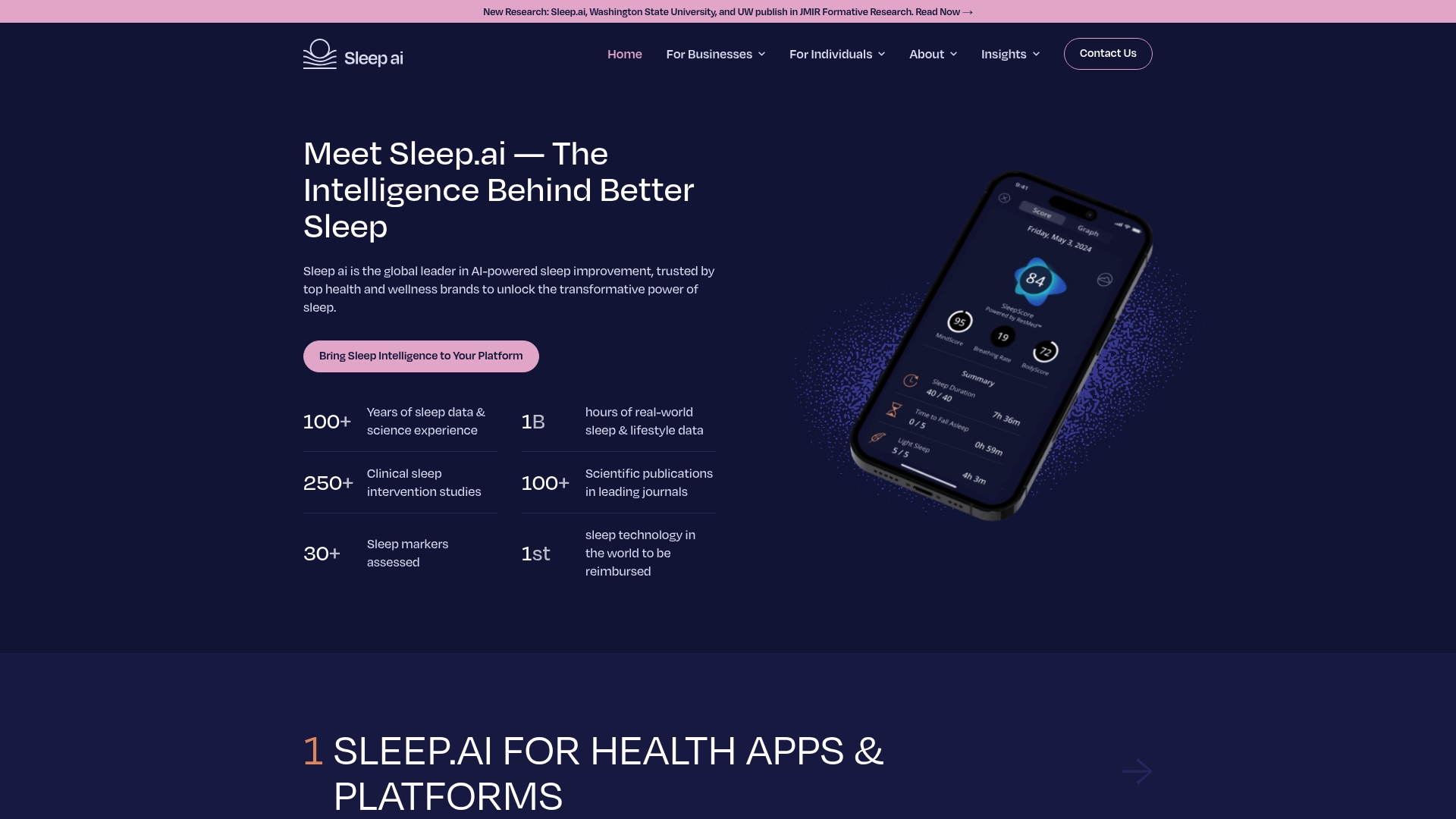
Sleep.ai reports its platform is built on what the company describes as the world’s largest sleep dataset and combines product validation services with consumer tools like the SleepScore App. This mix targets both device makers and apps that need research-grade sleep signals.
Core Features
The platform bundles AI-driven sleep analysis with services for sleep measurement validation and integration. Key technical components include the Sleep API for embedding sleep metrics, SleepSense for passive sleep-wake boundary detection, and the SleepScore App for consumer tracking and coaching.
Key Differentiator
According to the company, Sleep.ai’s edge is scientific validation tied to real-world data and peer-reviewed publications. The vendor advertises offerings that let developers validate devices and embed the same analytics consumers see in clinical research contexts.
Pros
- Grounded research. The vendor advertises peer-reviewed publications and validation services that help companies claim research-backed metrics for their products.
- Dual audience support. Sleep.ai serves both commercial partners and consumer-facing products so teams can move from validation to live feature rollout without switching vendors.
- Integration-ready. The Sleep API and developer tools make it straightforward to surface sleep metrics inside wellness apps or clinician dashboards.
- Passive detection. SleepSense reduces user burden by detecting sleep boundaries without manual input, useful for longitudinal monitoring in anxiety and trauma care.
Cons
- Limited public feedback. Third-party user reviews and wide public sentiment are not prominent in the retrieved data, so real-world UX signals are sparse.
- Technical integration load. Smaller startups or clinics without engineering support will likely find implementation demanding for advanced features.
- B2B slant. Sleep.ai functions heavily as a validation and data platform rather than a consumer-first therapy app, which shifts expectations for direct patient-facing features.
When It May Not Fit
If you want a turnkey therapeutic app that guides nightly sleep behavior without a clinician or developer intermediary, this platform will feel heavyweight. Small clinics without a tech partner will pay for capabilities they cannot easily activate. Consumer users seeking abundant independent reviews may prefer better documented options.
Notable Integrations
- Sleep API for embedding validated sleep metrics into apps and devices.
- SleepScore App for consumer tracking and coaching functions.
- SleepScore Labs validation services for formal algorithm testing and study design.
Who It’s For
Product teams at sleep technology companies, wellness app developers, academic researchers, and healthcare organizations that need validated sleep measurement. California therapists and clinics can use partner apps that expose Sleep.ai metrics to enhance CBT-I, trauma-focused care, or medication follow-up.
Unique Value Proposition
Sleep.ai reports an API plus passive detection tools and formal validation services that let device makers and apps claim research-backed sleep metrics. That concrete pairing of validation plus deployable APIs shortens the path from study to product for teams building clinically informed sleep features.
Real World Use Case
A wearable maker in California used SleepScore Labs to validate its sleep algorithm, then integrated the Sleep API into its companion app. Clinicians reviewing patient sleep patterns received standardized, research-aligned metrics to guide therapy and measure progress.
Pricing
Pricing details are not publicly disclosed. The vendor likely structures fees per client and per service such as validation studies, API access tiers, or bespoke research partnerships.
Website: https://sleep.ai
Comparing Therapy and Sleep Self-Care Services
In selecting a suitable service among therapeutic and sleep-focused assistance programs, factors such as accessibility, clinical approach, inclusion of medical diagnostics, and ease of use become pivotal. “Revive Health Therapy” notably excels in bridging in-person and telehealth psychotherapy services, a standout advantage in contrast to the primarily remote formats reviewed here.
Servicing Approach and Accessibility
Revive Health Therapy combines local California clinics with telehealth services, offering flexibility for users balancing local familiarity with online conveniences. Meanwhile, The Sleep Reset uniquely integrates assessment tools like at-home sleep diagnostics within its program, a distinguishing feature for addressing specific medical conditions remotely. This speaks to each program’s focus on the balance between physical presence and virtual convenience.
Technological Integration
Platforms such as Stellar Sleep and Calm excel in user-friendly app integration. These services provide structured modules for short-term habit adjustments, making them suitable for tech-savvy individuals who value immediate intervention. Conversely, “Revive Health Therapy” does not focus on advanced digital tools but instead prioritizes personalized therapeutic matching and sliding-scale pricing.
Best Fit Use Cases
-
Revive Health Therapy: Offers the most flexibility to California residents seeking trauma-informed psychotherapy, highlighting accessibility and economic considerations.
-
The Sleep Reset: Beneficial for those needing structured and diagnosis-supported sleep intervention from the comfort of their residence.
-
Calm: Appeals to individuals who value broad accessibility and versatile app-based tools for managing stress and sleep in brief, easily digestible formats.
-
Stellar Sleep: Geared toward participants seeking a quick, structured plan focusing directly on insomnia with a clinically established base.
-
Sleep.ai: Ideal for companies and organizations needing validated sleep data integration rather than direct consumer-focused therapeutic apps.
Our Pick: Revive Health Therapy
“Revive Health Therapy” distinguishes itself through its flexible access pathways, encompassing both telehealth and locally significant in-person clinic options across California, integrated care focus, and considerate sliding-scale pricing, which reduce barriers for underserved populations. However, for those strictly seeking sleep-focused tools or immediate small-effort interventions, “Calm” would perhaps better align with those preferences. As such, “Revive Health Therapy” is an outstanding choice for individuals prioritizing full-spectrum, personalized therapy solutions addressing an array of psychological challenges.
Therapy and Sleep Solution Comparison
This table compares popular therapy and sleep solutions to help you select the right choice for your needs.
| Product | Core Feature or Use Case | Key Differentiator | Best For | Notable Limitation | Pricing |
|---|---|---|---|---|---|
| Revive Health Therapy | Comprehensive individual, couple, and family therapy through in-person or telehealth sessions | Sliding-scale pricing plus insurance billing | Californians managing diverse mental health needs | Limited additional digital or app-based features | Not disclosed |
| The Sleep Reset | At-home diagnostic sleep testing combined with CBT-I | Consolidates sleep disorder assessment and treatment | Adults with insomnia or suspected sleep apnea | Dependence on user adherence over multiple weeks | Not disclosed |
| Stellar Sleep | CBT-I-focused app programs accessible in short exercises | Narrow, highly targeted daily CBT-I programs | Individuals with acute insomnia seeking digital tools | No substitute for medical diagnostics or lab testing | $188 USD basic |
| Calm | Self-guided meditation and sleep tools supporting multiple devices | Extensive Sleep Stories library and meditation programs | Stress and sleep management across portable platforms | Challenges with billing and customer support | Varies by region |
This table outlines the core differences and specific limitations of selected therapy and sleep solutions to assist in informed decision-making.
Improve Your Sleep with Evidence-Based Support from Revive Health Therapy
Struggling to find effective alternatives to sleep aids? The article highlights how behavioral therapies like CBT and mindfulness can improve sleep quality while addressing underlying anxiety and trauma. If you experience difficulty falling or staying asleep due to mental health challenges, personalized psychotherapy can be a powerful solution. Revive Health Therapy offers trauma-informed care using proven methods such as EMDR and CBT to help you regain restful sleep and emotional balance.
Explore how accessible therapy with sliding-scale fees and flexible in-person or telehealth sessions can reduce the stress around sleep difficulties. Take control of your sleep health by contacting Revive Health Therapy today to schedule a consultation and discover tailored strategies that support lasting improvements in your well-being.
Frequently Asked Questions
How does Revive Health Therapy support low-income families seeking mental health care?
Revive Health Therapy offers sliding-scale fees that adjust based on income, making therapy more affordable for families. This feature helps reduce financial barriers and allows clients to focus on receiving care without the worry of high costs. For pricing details specific to your situation, it’s best to contact their intake team directly.
Can I access therapy through Revive Health Therapy if I live far from the in-person clinics?
Yes, Revive Health Therapy offers secure telehealth services across California, allowing clients to receive therapy remotely. This option ensures accessibility for individuals who may find in-person visits challenging due to distance or scheduling issues, providing a flexible and convenient way to engage in therapy.
What is the difference between Revive Health Therapy and The Sleep Reset?
The Sleep Reset focuses specifically on at-home diagnostic testing and CBT-I for sleep disorders, while Revive Health Therapy offers a broader range of mental health services including trauma-informed care and personalized therapist matching. If you’re looking for a holistic approach to address anxiety and depression along with sleep issues, Revive Health Therapy is the better fit.
Does Revive Health Therapy provide evidence-based therapeutic options?
Yes, Revive Health Therapy utilizes various evidence-based modalities, including EMDR and CBT. These approaches are designed to effectively address issues such as anxiety, depression, and trauma, providing clients with proven methods for improvement. If you’re considering starting therapy, their structured approach is an excellent, lower-commitment option to explore.
Can I use Revive Health Therapy for family services as well as individual therapy?
Yes, Revive Health Therapy offers services for individuals, couples, families, and organizational partnerships. This range of options ensures that both personal and systemic needs are addressed, making it a suitable choice for clients looking to improve mental well-being in a family context.