
Every parent knows how quickly a child’s emotions can shift after a stressful event or during everyday challenges. For families in California, finding accessible support for emotional regulation and trauma recovery matters when life gets overwhelming. Exploring child therapy unlocks practical strategies to help children manage their feelings, recover from trauma, and thrive—especially with sliding-scale fees and telehealth options making care more reachable for every family.
Table of Contents
- What Is Child Therapy and Who Benefits
- Key Types of Child Therapy Approaches
- How Child Therapy Sessions Work
- Common Concerns and Misconceptions
- Accessing Child Therapy in California
Key Takeaways
| Point | Details |
|---|---|
| Child Therapy Benefits | Child therapy provides emotional support and coping strategies for children facing various challenges such as trauma, anxiety, and social difficulties. |
| Therapy Approaches | Different therapeutic approaches, like Cognitive Behavioral Therapy and Play Therapy, are tailored to meet the specific needs and developmental stages of children. |
| Role of Parents | Involving parents or caregivers in the therapeutic process is crucial for supporting a child’s emotional growth and reinforcing learned skills at home. |
| Accessing Therapy | Families in California can access therapy through school services, private practices, or community clinics, ensuring a range of options for support. |
What Is Child Therapy and Who Benefits
Child therapy represents a specialized mental health intervention designed specifically for children experiencing emotional, behavioral, or psychological challenges. Psychological treatment for children involves creating a supportive environment where young individuals can develop crucial coping skills and emotional management strategies.
At its core, child therapy provides professional support to help children navigate complex feelings, traumatic experiences, and developmental transitions. The approach varies depending on the child’s age, specific needs, and presenting symptoms. Therapists use multiple techniques tailored to each child’s unique developmental stage, ensuring that communication and intervention methods remain age-appropriate and engaging.
Children who might benefit from therapy include those experiencing:
- Significant family changes like divorce or loss
- Persistent anxiety or depression symptoms
- Trauma or abuse
- Behavioral challenges at home or school
- Difficulty managing emotions
- Social interaction struggles
- Learning disabilities
- Chronic medical conditions
Child therapy isn’t about fixing something “broken” – it’s about providing children with emotional tools to understand and process their experiences.
Professional therapists utilize various approaches such as play therapy, cognitive behavioral therapy, and family counseling to help children express themselves, understand their emotions, and develop healthy coping mechanisms. These interventions can dramatically improve a child’s emotional resilience, social skills, and overall mental well-being.
Pro tip: Start observing your child’s emotional patterns early and seek professional guidance if you notice persistent changes in behavior or mood.
Key Types of Child Therapy Approaches
Different therapy approaches offer specialized strategies for addressing children’s unique psychological and emotional needs. Each approach targets specific challenges, ensuring children receive tailored support that matches their developmental stage and individual experiences.
Some of the most prominent child therapy approaches include:
- Cognitive Behavioral Therapy (CBT): Helps children identify and change negative thought patterns
- Play Therapy: Utilizes natural play to help children express emotions and process experiences
- Family Therapy: Improves communication and relationship dynamics within the family unit
- Dialectical Behavior Therapy (DBT): Focuses on emotional regulation and interpersonal effectiveness
- Trauma-Focused CBT: Specifically designed to help children recover from traumatic experiences
- Exposure Therapy: Assists children in managing phobias and anxiety-related disorders
The right therapy approach can transform a child’s emotional landscape, providing them with lifelong coping skills.
Each therapy type employs unique techniques to engage children effectively. Play therapy, for instance, allows younger children to communicate through toys and games, while CBT uses more structured conversational techniques for older children and adolescents. The therapist’s primary goal is always to create a safe, supportive environment where children can explore their feelings and develop healthy emotional strategies.
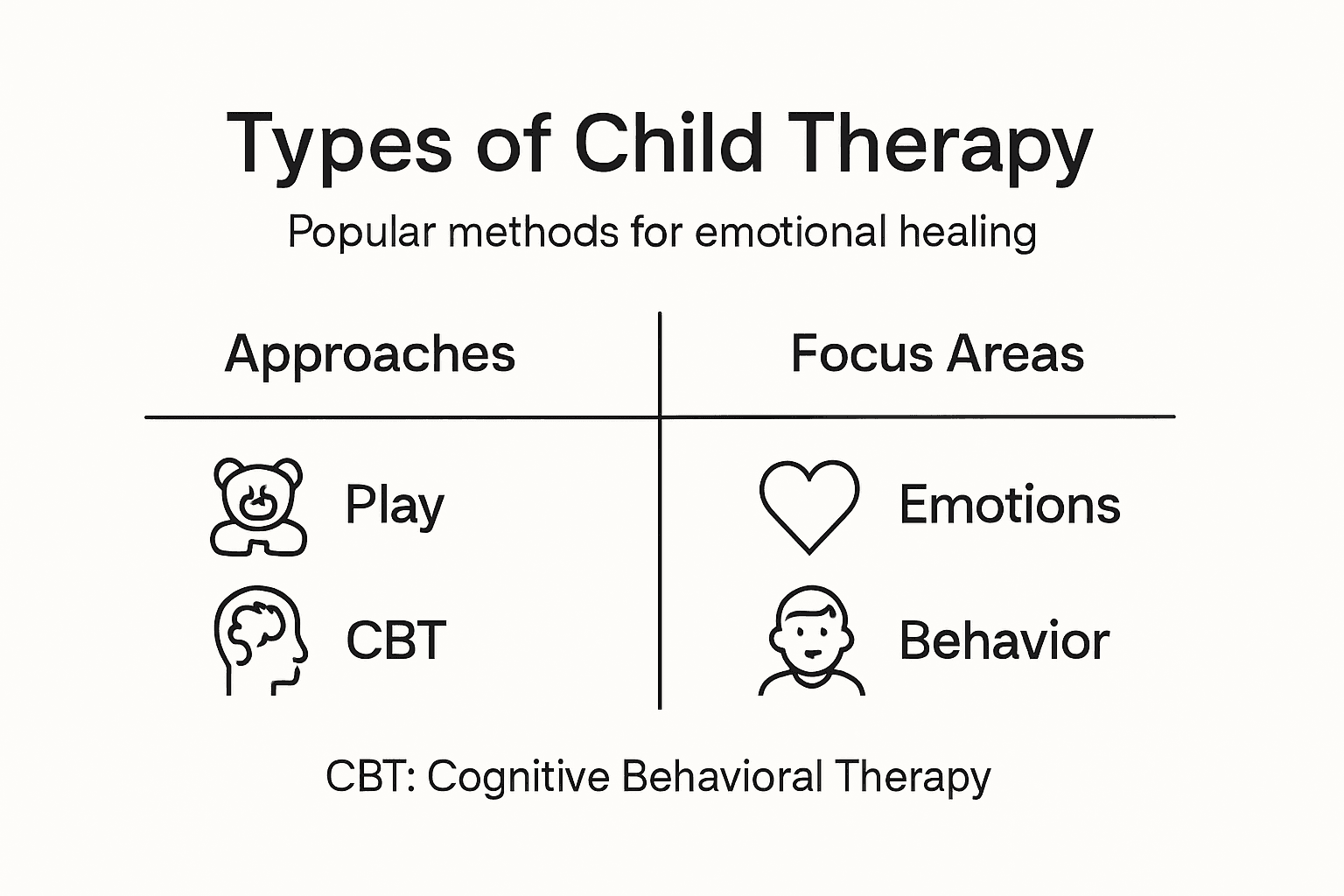
Here’s a comparison of key child therapy approaches and their primary focus areas:
| Therapy Approach | Main Objective | Best For |
|---|---|---|
| Cognitive Behavioral | Changing unhelpful thought patterns | Anxiety, depression |
| Play Therapy | Expressing emotions through play | Young children, trauma |
| Family Therapy | Improving family communication | Family conflicts, transitions |
| Dialectical Behavior | Teaching emotional regulation | Intense emotions, self-harm |
| Trauma-Focused CBT | Processing traumatic experiences | PTSD, abuse, significant trauma |
| Exposure Therapy | Reducing anxiety through safe exposure | Phobias, persistent fears |
Pro tip: Consult with a child psychology professional to determine the most appropriate therapy approach for your child’s specific needs and challenges.
How Child Therapy Sessions Work
Mental health evaluations form the critical first step in understanding a child’s unique psychological needs. These initial assessments help therapists develop personalized treatment plans that address specific emotional, behavioral, or developmental challenges.
A typical child therapy session involves several key components:
- Initial Assessment: Comprehensive evaluation of the child’s mental health, family dynamics, and presenting concerns
- Goal Setting: Collaborative process to establish clear, achievable therapeutic objectives
- Engagement Techniques: Age-appropriate methods to help children feel comfortable and express themselves
- Skill Building: Teaching coping mechanisms, emotional regulation, and communication strategies
- Progress Tracking: Regular monitoring and adjustment of therapeutic approaches
- Family Involvement: Integrating parents or caregivers into the healing process
Therapy is a journey of understanding, not a quick fix – it requires patience, trust, and consistent support.
The approach varies significantly based on the child’s age and specific needs. Younger children might engage through play therapy, using toys and games to communicate complex emotions, while adolescents typically participate in more direct conversational approaches. Therapists create a safe, non-judgmental environment that allows children to explore their feelings, develop self-awareness, and learn healthy emotional management techniques.
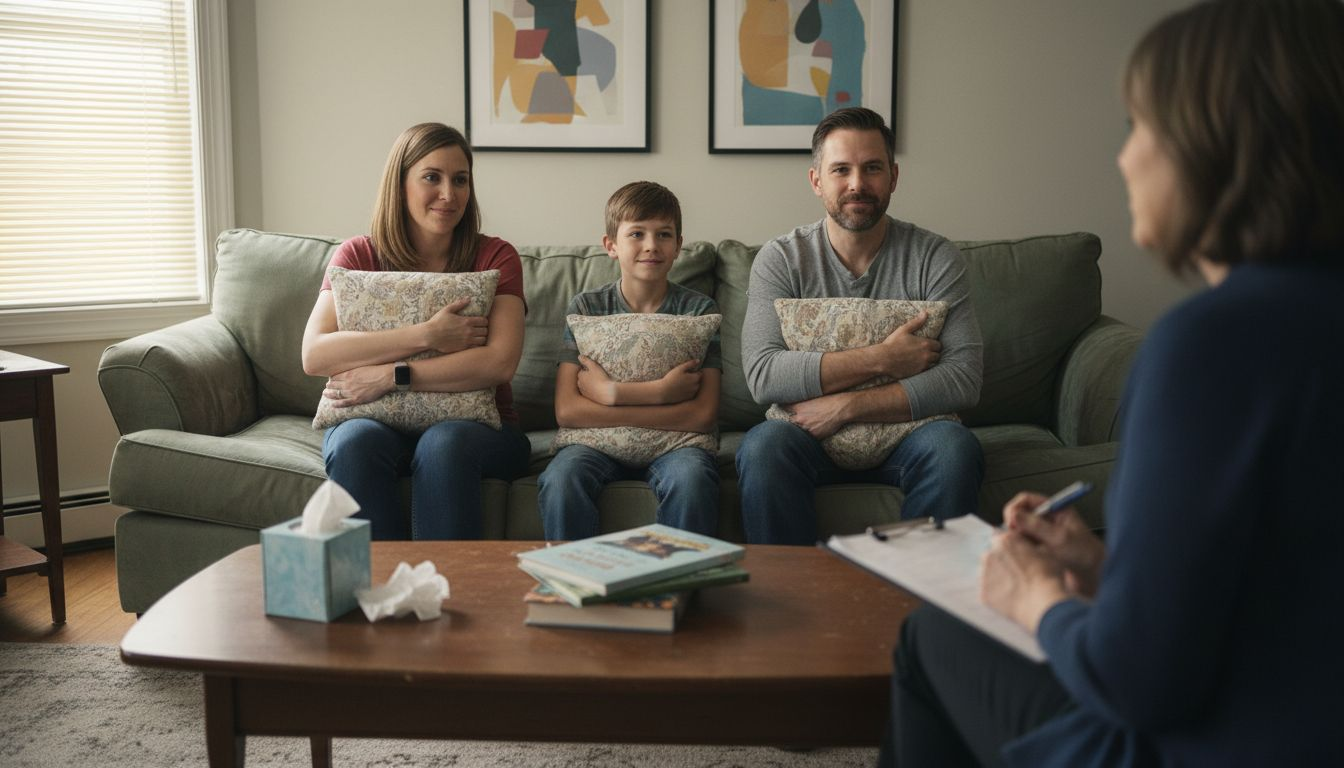
Pro tip: Prepare your child for therapy by discussing it positively and emphasizing that it’s a supportive space for learning and growth.
Common Concerns and Misconceptions
Early treatment helps reduce long-term challenges by addressing mental health concerns before they become deeply entrenched. Parents often harbor misconceptions about child therapy that can prevent their children from receiving crucial support and guidance.
Common misconceptions about child therapy include:
- Stigma Myth: Believing therapy means something is “wrong” with the child
- Weakness Perception: Thinking seeking help indicates personal failure
- Duration Concerns: Assuming therapy is a lengthy, expensive process
- Age Limitations: Believing therapy is only for older children or teenagers
- Privacy Worries: Fearing personal information will be shared inappropriately
- Effectiveness Doubts: Questioning whether therapy actually produces meaningful results
Therapy is a strength, not a weakness – it’s about empowering children to navigate life’s challenges.
Children benefit from therapy in numerous ways that extend far beyond addressing immediate concerns. Professional therapists create safe, supportive environments where children can develop emotional intelligence, learn coping mechanisms, and build resilience. Contrary to popular belief, therapy is not about fixing something broken, but about providing children with tools to understand and manage their emotions effectively.
Pro tip: Approach therapy as a positive, collaborative journey of growth and self-discovery, not as a remedial intervention.
Accessing Child Therapy in California
School-based mental health services represent a critical first step for many California families seeking support for their children’s psychological well-being. These services provide multiple pathways for identifying and addressing mental health needs across different educational environments.
Multiple options exist for accessing child therapy in California:
Here is a quick reference for how California families can access child therapy services:
| Setting | Main Access Channel | Cost Consideration |
|---|---|---|
| School Counseling | On-campus at schools | Free for enrolled students |
| Private Practice | Independent therapists | Insurance or private pay |
| Community Clinics | Local health centers | Sliding scale or low cost |
| Telehealth Platforms | Online video/phone | Varies, often flexible |
| County Services | Public health departments | Often free or subsidized |
- School Counseling Services: Free mental health support through educational institutions
- Private Practice Therapists: Specialized individual and family therapy options
- Community Mental Health Centers: Low-cost and sliding-scale therapy services
- Telehealth Platforms: Online therapy sessions increasing accessibility
- Insurance-Based Programs: Coverage for mental health treatments
- County Mental Health Departments: Public sector support services
Seeking help is a sign of strength, not weakness – early intervention can transform a child’s entire developmental trajectory.
Starting July 2024, California’s legal landscape is changing dramatically. New legislation will allow minors aged 12 and older to independently consent to outpatient mental health treatment, potentially reducing barriers to accessing therapeutic support. This shift acknowledges adolescents’ growing capacity for understanding their mental health needs and empowers them to seek necessary interventions.
Pro tip: Research multiple therapy options and involve your child in the selection process to ensure they feel comfortable and supported.
Support Your Child’s Emotional Growth with Expert Therapy
Understanding and addressing your child’s emotional and behavioral challenges early can transform their future. This article highlights key concerns such as anxiety, trauma, and difficulties managing emotions that many children face. At ReviveHealthTherapy, we specialize in trauma-informed care using evidence-based approaches like CBT and mindfulness, designed specifically to meet your child’s unique needs. Whether your child struggles with social interaction, family changes, or emotional regulation, expert guidance can provide essential coping skills for lasting resilience.

Don’t wait to give your child the supportive space they deserve. Explore effective child therapy solutions in California through our Uncategorized – ReviveHealthTherapy page and start the process towards healing today. Connect with our experienced therapists by filling out this quick form for your free 20-minute consultation and take the courageous first step to help your child thrive emotionally.
Frequently Asked Questions
What is child therapy?
Child therapy is a specialized mental health intervention designed for children facing emotional, behavioral, or psychological challenges, providing them with coping skills and emotional management strategies.
Who can benefit from child therapy?
Children experiencing significant family changes, anxiety, depression, trauma, behavioral challenges, or difficulties in social interactions can benefit from therapy.
What types of therapy approaches are used for children?
Common therapy approaches for children include Cognitive Behavioral Therapy (CBT), Play Therapy, Family Therapy, and Trauma-Focused CBT, each tailored to specific needs and challenges.
How do therapy sessions typically work for children?
Therapy sessions involve an initial assessment, goal setting, engaging techniques for comfort, skill-building, progress tracking, and family involvement to support the child’s mental health journey.
I really appreciated this thoughtful reflection. The compassionate explanation of child therapy felt reassuring and meaningful, reminding me how important it is for children to have a safe, supportive space where they can feel understood and cared for.