
TL;DR:
- Mom self-care involves daily, manageable habits that nurture physical, emotional, and mental health amidst motherhood demands. Small, consistent practices like breathwork, journaling, and social connection significantly improve stress resilience and postpartum depression symptoms. Overcoming mom guilt requires reframing self-care as essential fuel and making specific, scheduled support requests to sustain long-term well-being.
Mom self care is the intentional practice of nurturing your physical, emotional, and mental health through accessible daily habits designed specifically for the demands of motherhood. Research confirms that mothers who practice consistent self-care report significantly lower postpartum depression symptoms and better stress resilience. The good news is that effective self-care does not require hours of free time. Tools like gratitude journals, breathwork, and social connection practices can deliver real results in just minutes a day. This guide breaks down exactly how to make it work.
1. What are effective micro-moment self-care practices for moms?
Micro-moment self care refers to brief, intentional practices under five minutes that fit inside the gaps of a busy parenting day. These are not substitutes for longer rest. They are the daily foundation that keeps your nervous system regulated between the bigger breaks.
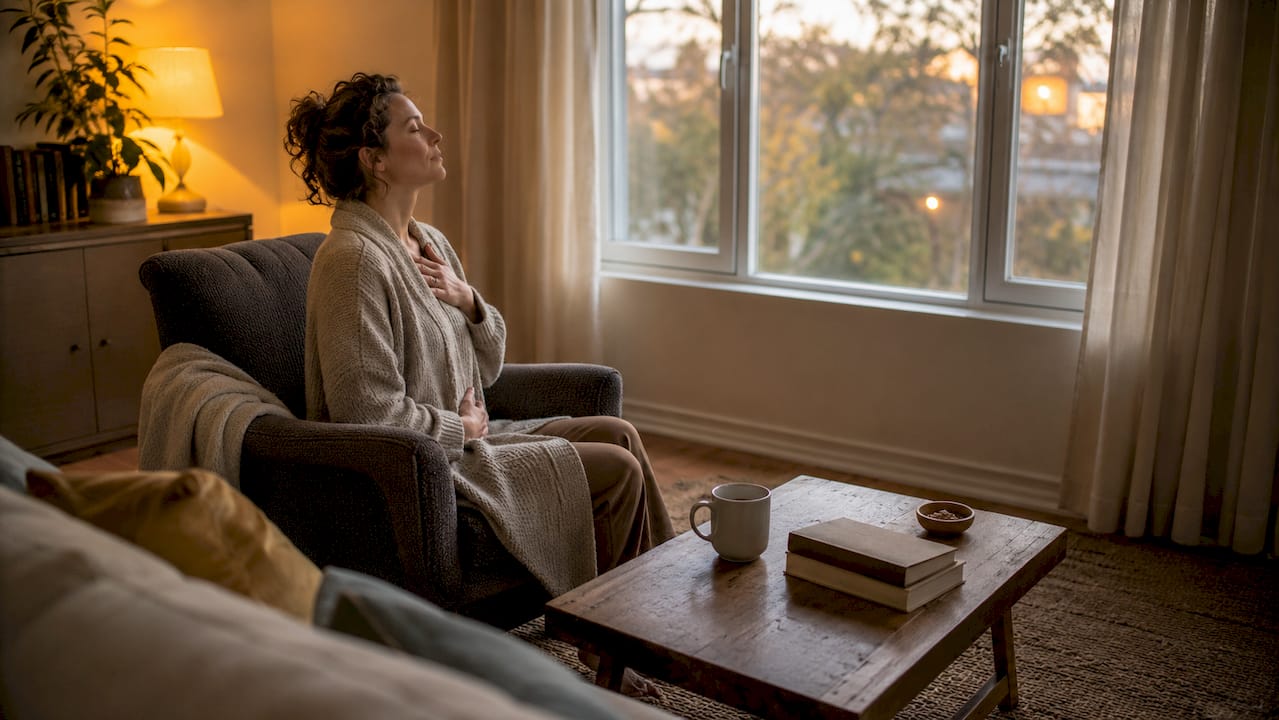
Daily micro-practices of 3–10 minutes cumulatively regulate the nervous system better than infrequent long sessions. Consistency beats duration every time.
Here are the most effective micro-moment options:
- Controlled breathwork: Box breathing or the 4-7-8 method activates the vagus nerve and shifts your nervous system from stress to calm in about 90 seconds.
- Short journaling: Three sentences about what you are grateful for takes under two minutes and measurably reduces anxiety over time.
- Quick outdoor walk: Even five minutes outside lowers cortisol and resets your focus.
- Body scan meditation: A guided two-minute check-in using apps like Calm or Insight Timer grounds you before a hard conversation or a chaotic pickup.
- Mindful tea or coffee: Sitting without a screen for the first five minutes of your morning drink counts as genuine mental rest.
Pro Tip: Anchor each micro-moment to an existing trigger. Do your breathwork right after you start the coffee maker. Journal while your child eats breakfast. Pairing a new habit to an old one removes the need for willpower.
2. How can moms overcome guilt and prioritize self-care?
Mom guilt is the single biggest barrier to consistent self care routines for mothers. It shows up as the belief that taking time for yourself means taking something away from your kids. That belief is factually wrong.
“Self-care is not selfish. You cannot pour from an empty cup. Taking care of yourself is the most powerful thing you can do for your family.” — Parents.com
Reframing self-care as essential fuel rather than a luxury helps moms show up more present and balanced. The shift is not just motivational. It is supported by research on parental emotional regulation and child outcomes.
Three practical strategies to move past guilt:
- Name it out loud. Say “I feel guilty taking this time” and then ask yourself whether the evidence supports that guilt. Usually it does not.
- Schedule it like a medical appointment. A no-cancellation policy for your self-care block signals to your brain and your household that it is non-negotiable.
- Use mindfulness practices to interrupt the guilt spiral before it convinces you to skip your planned break.
The goal is not to eliminate guilt entirely. The goal is to stop letting it make decisions for you.
3. Which physical and social activities support mom well-being most?
Social connection and physical activity are two of the most important factors for long-term emotional and physical health in parents. Both are frequently the first things dropped when schedules get tight. That is exactly backwards.
Physical activities worth prioritizing:
- Walking outdoors: A short walk in nature reduces cortisol and improves cognitive function. It requires no equipment and no childcare if you bring a stroller.
- Yoga: A 20-minute home practice using YouTube channels like Yoga with Adriene costs nothing and improves both flexibility and mood.
- Dance: Putting on music and moving for one song is legitimate exercise and a genuine mood lifter.
- Tai chi: Low-impact and meditative, tai chi is particularly effective for moms managing chronic stress or physical tension.
Social connection options by time available:
| Time Available | Social Self-Care Option |
|---|---|
| Under 5 minutes | Text a friend a voice memo instead of a typed message |
| 15–30 minutes | Phone call walk with a friend or family member |
| 1 hour | Coffee date, mom group meetup, or fitness class with a friend |
| Half day | Group outing, book club, or community volunteer event |
Pro Tip: If in-person socializing feels impossible right now, a weekly video call with one trusted friend provides nearly the same emotional benefit. Consistency matters more than format.
4. What are common pitfalls in building a sustainable self-care routine?
The most common reason self care routines for mothers collapse is the all-or-nothing mindset. This is the belief that if you cannot do the full routine, there is no point doing anything. One skipped yoga session becomes a week off, which becomes three months of nothing.
Anchoring micro-moments to existing daily triggers builds routine without requiring large time blocks. The structure below makes this concrete.
Three-tier self-care framework:
- Daily anchors (2–5 minutes): Breathwork, gratitude journaling, or a mindful moment. These happen every day, no matter what.
- Weekly practices (20–45 minutes): A yoga session, a solo walk, a phone call with a friend, or a bath without interruption.
- Monthly replenishment (2+ hours): A longer outing, a massage, a day trip, or any activity that genuinely restores you.
The second major pitfall is vague help-seeking. Saying “I need more support” rarely produces results. Specific, time-bound requests like “Can you take the kids for exactly 30 minutes on Saturday morning so I can walk alone?” reduce the mental load and dramatically increase the chance your partner or support network actually follows through.
Comparison: what works vs. what doesn’t
| Approach | Why it fails or succeeds |
|---|---|
| “I’ll do self-care when I have time” | Fails. Free time never appears spontaneously. |
| Scheduled daily anchor habit | Succeeds. Removes decision fatigue entirely. |
| All-or-nothing routine | Fails. One missed day derails the whole practice. |
| Flexible tiered framework | Succeeds. Adapts to real life without quitting. |
5. What practical self-care tools and resources can support busy moms?
The right tools reduce friction. When self-care is easy to start, you actually do it. The options below cover both digital and offline formats so you can find what fits your life.
Digital tools:
- Nala: A meditation app built specifically for mothers, with short guided sessions designed around parenting stress.
- Calm and Insight Timer: Both offer free guided meditations, breathwork sessions, and sleep stories under 10 minutes.
- Self-care planner apps: Apps like Finch or Reflectly combine mood tracking with daily self-care prompts.
Offline tools:
- Gratitude journals: A physical journal like the Five Minute Journal by Intelligent Change takes less than five minutes morning and night.
- Adult coloring books: Repetitive, focused hand activity quiets the default mode network in the brain, producing genuine mental rest.
- Sleep masks and earplugs: Protecting sleep quality is the highest-return self-care investment a mom can make.
Mental rest requires disengaging from screens. Brief non-digital activities provide better nervous system recovery than passive phone scrolling. This means your offline tools are not a backup plan. They are often the better option. For a deeper look at whole-body wellness approaches that combine breathwork, movement, and mindfulness, Revivehealththerapy offers practical frameworks built on evidence-based methods.
Small, consistent acts of self-compassion correlate positively with reduced anxiety and improved emotional regulation over time. The tool matters less than the consistency.
6. How to practice self care as a mom when time is extremely limited
When you have under 10 minutes total, the priority order is: breathwork first, movement second, connection third. This sequence addresses the nervous system before addressing the body and the social self.
The emotional regulation guide for parents from Revivehealththerapy details how small, consistent self-care actions measurably improve parental emotional responses over time. The science is clear: you do not need a spa day to change how you feel. You need a repeatable two-minute practice done daily.
Three non-negotiable minimums for the busiest weeks:
- One conscious breath before you respond to a tantrum. This is not a metaphor. It is a literal nervous system intervention.
- One glass of water before your first coffee. Dehydration amplifies anxiety and fatigue, two things moms already have in abundance.
- One sentence in a notes app about how you feel today. Naming an emotion reduces its intensity. This is called affect labeling, and it is backed by neuroscience research from UCLA.
Wellness for busy moms is not about adding more to your plate. It is about protecting the small moments you already have and using them with intention.
Key takeaways
Consistent, small self-care practices protect maternal mental health more reliably than occasional large efforts, and the most sustainable routines are built around daily anchors, not perfect schedules.
| Point | Details |
|---|---|
| Micro-moments beat marathon sessions | Daily 3–10 minute practices regulate the nervous system better than infrequent long breaks. |
| Guilt is a barrier, not a signal | Reframing self-care as essential fuel reduces mom guilt and improves parenting presence. |
| Physical and social activity are non-negotiable | Walking, yoga, and regular social connection are the two highest-impact wellness habits for moms. |
| Specificity unlocks support | Asking for exactly 30 minutes of help is more effective than asking for general support. |
| Offline tools outperform screen time for rest | Non-digital activities like journaling and breathwork deliver superior nervous system recovery. |
What I have learned about self-care as a working mom
I spent years treating self-care as something I would get to eventually. The kids needed me. The house needed me. My schedule had no margin. What I did not see was that I was running on fumes and calling it dedication.
The shift happened when I stopped thinking about self-care as an event and started treating it as a practice. I did not need a weekend away. I needed two minutes of breathwork before school drop-off and a five-minute journal entry before bed. Those two habits changed my baseline more than any vacation ever did.
The guilt piece took longer. I had to genuinely accept that my kids benefit from a regulated, rested mother far more than from a depleted one who never takes a break. That is not a feel-good slogan. It is what the research on parental emotional regulation actually shows.
The hardest lesson was learning to ask for help with precision. Saying “I need a break” got me sympathy. Saying “Can you take the kids from 8 to 9 on Saturday so I can walk alone?” got me an actual break. Specificity is not demanding. It is the only thing that works.
If you are in a season where even the micro-moments feel impossible, that is a signal worth paying attention to. Not a sign to push harder. A sign to reach out, whether to a trusted friend, a support group, or a therapist who understands what mothers carry.
— Amy
When self-care is not enough: professional support for moms
Self-care practices are powerful. And sometimes they are not enough on their own. When anxiety, persistent sadness, or overwhelming stress are present most days, therapy is not a last resort. It is a logical next step.
Revivehealththerapy offers evidence-based psychotherapy services across California, including in-person sessions in Walnut Creek and Oakland, and secure telehealth sessions statewide. Approaches like CBT, EMDR, and mindfulness-based therapy are specifically effective for the stress, anxiety, and emotional exhaustion that many mothers experience. Sliding-scale fees and insurance acceptance make it accessible regardless of budget. If you are ready to go deeper than self-care alone, seeking psychotherapy is one of the most direct investments you can make in your mental wellness and your family’s well-being.
FAQ
What is mom self care, exactly?
Mom self care is the intentional practice of maintaining your physical, emotional, and mental health through regular, manageable habits. It includes activities like breathwork, movement, social connection, sleep, and journaling.
How often should moms practice self-care?
Daily micro-practices of 3–10 minutes are more effective than occasional longer sessions. Consistency is the most important factor, not duration.
Does self-care actually reduce postpartum depression?
Yes. Mothers who integrate consistent self-care including adequate sleep, physical activity, and social connection report significantly lower postpartum depression symptoms.
How do I ask for help to make time for self-care?
Make your request specific and time-bound. Asking for exactly 20 minutes of uninterrupted time is far more effective than a general request for support, because it removes ambiguity and reduces the mental load for both parties.
What if I feel too guilty to take time for myself?
Mom guilt rooted in the belief that self-care is selfish is a misconception. Reframing self-care as essential fuel for better parenting is both accurate and supported by research on parental emotional regulation.
Recommended
- Mindfulness for California Families: A Practical How-To – Revive Health Therapy
- Build Your Anxiety Self-Care Checklist for Everyday Relief – Revive Health Therapy
- Mental health self-care ideas for anxiety and depression – Revive Health Therapy
- Emotional Regulation Guide for Parents: 2026 Strategies – Revive Health Therapy