
Over half of American adults will experience anxiety or depression at some point in their lives, making it a pressing issue for communities throughout California. Many struggle to find affordable resources or sustainable tools for relief while navigating work, relationships, and personal growth. This guide explores how mindfulness-based therapy offers a practical, science-backed approach to emotional wellness, detailing key techniques and what makes it uniquely helpful for trauma recovery and everyday mental health challenges.
Table of Contents
- Defining Mindfulness In Modern Therapy
- Mindfulness-Based Therapy Types And Techniques
- How Mindfulness Addresses Anxiety And Depression
- Integrating Mindfulness With Emdr And Cbt
- Risks, Misconceptions, And Suitability In Therapy
Key Takeaways
| Point | Details |
|---|---|
| Mindfulness as a Therapeutic Approach | Mindfulness emphasizes present-moment awareness and non-judgmental observation, serving as a tool for emotional regulation and psychological resilience. |
| Types of Mindfulness-Based Therapies | Mindfulness-Based Interventions, including MBSR, MBCT, and ACT, address various psychological needs by integrating mindfulness into treatment. |
| Impact on Anxiety and Depression | Mindfulness helps interrupt negative thought cycles, enhancing emotional regulation and reducing symptoms of anxiety and depression. |
| Considerations for Suitability | Mindfulness is not suitable for everyone; thorough psychological assessment is essential to determine its appropriateness for individual cases. |
Defining Mindfulness in Modern Therapy
Mindfulness represents a transformative psychological approach centered on deliberate, present-moment awareness. Contemporary psychological definitions emphasize intentional attention characterized by non-judgmental observation of internal and external experiences. This practice fundamentally differs from our typical reactive mental patterns, offering a structured method for emotional regulation and psychological well-being.
At its core, mindfulness involves intentionally directing attention to current sensory experiences, thoughts, and emotions without getting entangled in their narrative. Practitioners learn to observe mental phenomena as transient events rather than permanent realities. Unlike traditional therapeutic approaches that analyze past experiences or future anxieties, mindfulness grounds individuals in the immediate present, creating a powerful mechanism for emotional processing and psychological resilience.
Modern therapeutic applications integrate mindfulness across various treatment modalities, including cognitive behavioral therapy and psychoanalytic frameworks. Psychotherapy research demonstrates that consistent mindfulness practice can significantly reduce symptoms of anxiety and depression by interrupting automatic negative thought patterns and promoting emotional acceptance.
Pro tip: Start your mindfulness journey by dedicating just five minutes daily to focused breathing, observing thoughts without judgment and gently returning attention to your breath when distracted.
Mindfulness-Based Therapy Types and Techniques
Mindfulness-Based Interventions represent a diverse family of therapeutic approaches that integrate mindful awareness into psychological treatment. Third wave cognitive therapies have emerged as powerful tools for addressing mental health challenges, offering structured techniques that go beyond traditional therapeutic models. These interventions include Mindfulness-Based Stress Reduction (MBSR), Mindfulness-Based Cognitive Therapy (MBCT), and Acceptance and Commitment Therapy (ACT), each targeting specific psychological and emotional needs.
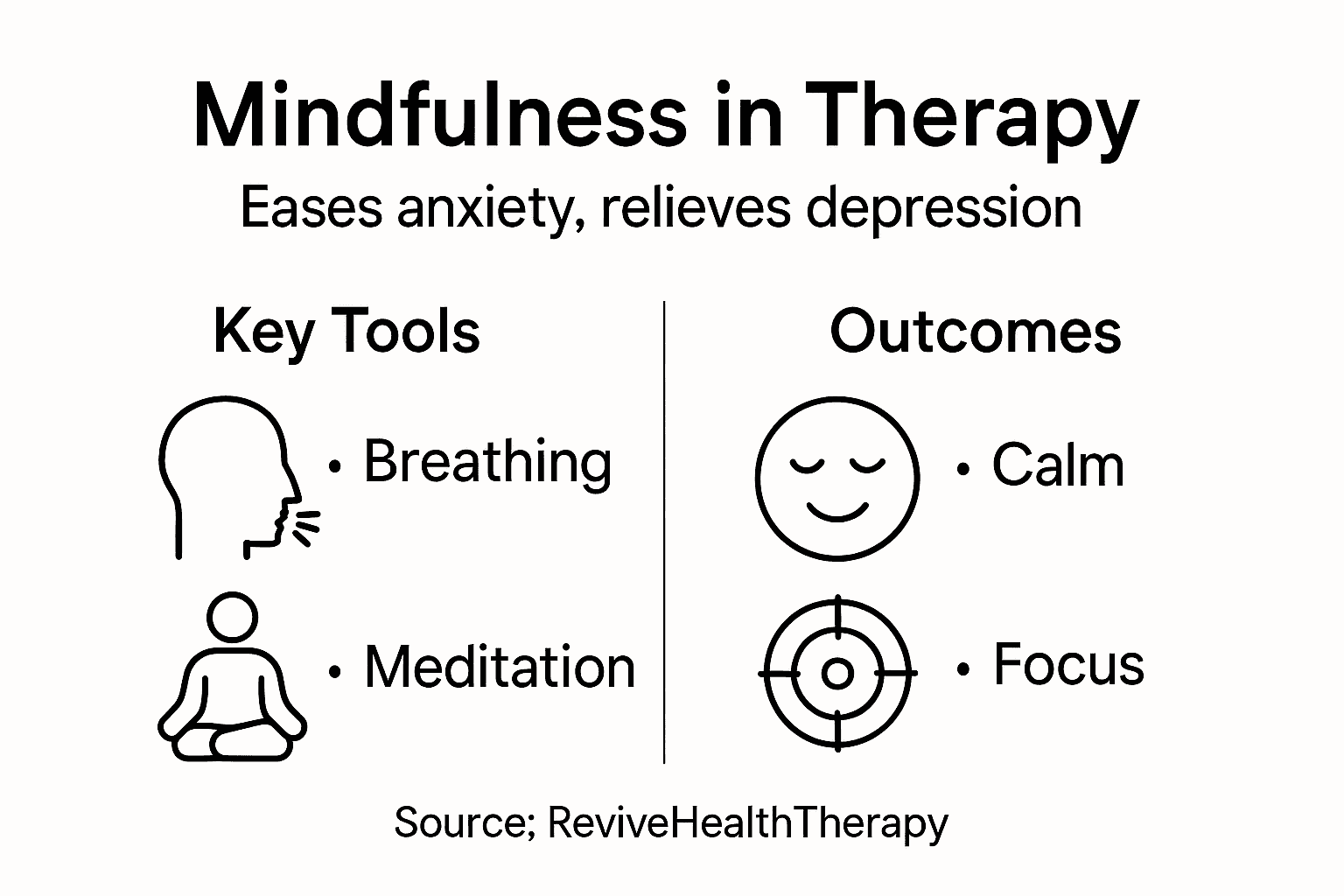
MBSR, originally developed by Jon Kabat-Zinn, focuses on reducing stress through meditation and body awareness techniques. MBCT specifically targets depression by helping individuals recognize and disengage from negative thought patterns. Neurocognitive research reveals that these approaches can induce neuroplasticity, effectively rewiring brain responses to emotional stimuli and promoting more adaptive cognitive processing. By teaching patients to observe thoughts without judgment, these techniques interrupt automatic negative thinking cycles that perpetuate anxiety and depression.
Acceptance and Commitment Therapy (ACT) stands out by emphasizing psychological flexibility. Unlike traditional therapies that aim to eliminate difficult emotions, ACT teaches individuals to accept emotional experiences while committing to value-driven actions. This approach helps patients develop a more compassionate relationship with their inner experiences, reducing the psychological struggle that often accompanies mental health challenges. The techniques include mindful awareness, cognitive defusion, value clarification, and committed action strategies that empower individuals to navigate emotional complexity more effectively.
Pro tip: Choose a mindfulness-based therapy technique that resonates with your personal emotional landscape, and commit to practicing it consistently for at least eight weeks to experience meaningful psychological benefits.
Below is a summary comparing major mindfulness-based therapies utilized in modern psychological practice:
| Therapy Type | Main Focus | Key Techniques | Typical Outcomes |
|---|---|---|---|
| MBSR | Stress reduction | Breathing, body scan, meditation | Lower stress and improved mood |
| MBCT | Depression prevention | Thought observation, mindful awareness | Fewer depressive relapses |
| ACT | Psychological flexibility | Acceptance, value clarification, defusion | Better emotional resilience |
How Mindfulness Addresses Anxiety and Depression
Anxiety and depression represent complex mental health challenges that often emerge from persistent negative thought patterns and emotional dysregulation. Mindfulness-Based Interventions offer a transformative approach to addressing these conditions by interrupting cyclical rumination and promoting present-moment awareness. By teaching individuals to observe their thoughts and emotions without judgment, these techniques create a powerful psychological buffer against the spiral of negative thinking that characterizes anxiety and depressive disorders.
The therapeutic mechanism of mindfulness operates through several critical psychological processes. Mental health research demonstrates that mindfulness practices enhance emotional regulation by increasing an individual’s capacity to recognize and respond to emotional states without becoming overwhelmed. This skill is particularly crucial for individuals struggling with anxiety and depression, as it allows them to create psychological distance from intrusive thoughts, reducing their emotional intensity and preventing the automatic negative thought cycles that perpetuate mental health challenges.

Practical mindfulness techniques provide tangible tools for managing anxiety and depression symptoms. These include focused breathing exercises, body scan meditations, and mindful awareness practices that help individuals ground themselves in the present moment. By consistently practicing these techniques, individuals learn to redirect attention away from ruminating thoughts about past experiences or future anxieties, instead cultivating a more balanced and compassionate relationship with their inner emotional landscape. The cumulative effect is a significant reduction in the cognitive and emotional distress associated with anxiety and depression.
Pro tip: Start with a daily 10-minute mindfulness practice, using guided meditation apps or recordings to help structure your initial exploration of present-moment awareness.
Integrating Mindfulness with EMDR and CBT
Therapeutic integration represents a sophisticated approach to mental health treatment, combining complementary techniques to enhance healing potential. Psychotherapy research reveals that mindfulness can be strategically incorporated into both Cognitive Behavioral Therapy (CBT) and Eye Movement Desensitization and Reprocessing (EMDR) to amplify treatment effectiveness. This integration creates a more holistic framework for addressing complex psychological challenges, allowing practitioners to leverage the unique strengths of each approach.
In Cognitive Behavioral Therapy, mindfulness techniques introduce a powerful dimension of present-moment awareness that complements traditional cognitive restructuring. Clinical approaches demonstrate that mindful awareness helps patients observe their thought patterns without judgment, creating critical psychological distance from negative cognitive schemas. This approach allows individuals to recognize automatic thought patterns more objectively, enabling more effective cognitive reframing and emotional regulation strategies.
With EMDR, mindfulness serves as a crucial stabilization and grounding technique during trauma processing. The integration helps patients maintain present-moment awareness while navigating difficult emotional terrain, reducing the risk of retraumatization and enhancing emotional resilience. Mindful techniques such as focused breathing, body scanning, and non-judgmental observation provide patients with immediate coping mechanisms during intense therapeutic moments, creating a sense of safety and control throughout the healing process.
Pro tip: Discuss with your therapist specific mindfulness techniques that can be seamlessly integrated into your existing treatment approach to maximize therapeutic benefits.
Risks, Misconceptions, and Suitability in Therapy
Mindfulness therapy is not a universal solution, and understanding its nuanced application is crucial for effective mental health treatment. Ethical considerations in mindfulness practice reveal that this approach requires careful implementation and individual assessment. Contrary to popular belief, mindfulness is not a one-size-fits-all therapeutic technique, and its effectiveness depends significantly on individual psychological makeup, existing mental health conditions, and personal readiness for introspective work.
Several critical misconceptions can potentially harm patient outcomes if not addressed professionally. Many individuals mistakenly view mindfulness as a quick relaxation technique or a simple meditation practice, when in reality, it represents a complex psychological intervention. Contemporary mindfulness research highlights that improper application can exacerbate symptoms, particularly for individuals with unresolved trauma, severe anxiety, or complex psychological conditions. The risk of emotional dysregulation increases when mindfulness is practiced without proper guidance or without understanding an individual’s specific psychological vulnerabilities.
Determining suitability for mindfulness-based interventions requires comprehensive psychological assessment. Patients with certain mental health conditions, such as active psychosis, severe dissociative disorders, or recent traumatic experiences, might find mindfulness practices destabilizing rather than therapeutic. Practitioners must conduct thorough evaluations to identify potential contraindications, understanding that some individuals may require modified approaches or alternative therapeutic interventions that better match their psychological needs and emotional resilience.
Here are critical considerations for determining mindfulness suitability in therapy:
| Consideration | Impact on Suitability | Practitioner Guidance |
|---|---|---|
| Trauma history | May increase distress | Carefully assess readiness |
| Psychosis | Can destabilize | Prefer alternative therapies |
| Severe anxiety | Potential symptom flare-up | Modify techniques as needed |
| Personal readiness | Enhances outcomes | Proceed with gradual introduction |
Pro tip: Always consult a licensed mental health professional to determine whether mindfulness techniques are appropriate for your specific psychological profile and current mental health circumstances.
Harness Mindfulness to Overcome Anxiety and Depression with ReviveHealthTherapy
The article highlights how mindfulness-based interventions provide powerful tools to interrupt negative thought cycles and improve emotional regulation for those struggling with anxiety and depression. If you find yourself caught in rumination or emotional overwhelm, these challenges can feel isolating and exhausting. Integrating mindfulness with proven therapeutic approaches like EMDR and CBT creates a pathway toward lasting resilience and healing. At ReviveHealthTherapy, we specialize in trauma-informed, evidence-based care that blends mindfulness techniques with personalized treatment plans designed to meet your unique needs.

Start transforming your mental health today by exploring how mindfulness practices paired with professional guidance can support emotional balance and reduce distress. Whether you prefer in-person sessions in Walnut Creek or Oakland or want the convenience of telehealth across California, our compassionate therapists are ready to help. Visit ReviveHealthTherapy to learn more about our services and schedule your first appointment. Take the first step toward greater peace and well-being now.
Frequently Asked Questions
What is mindfulness in therapy?
Mindfulness in therapy is a psychological approach that emphasizes intentional awareness of the present moment, allowing individuals to observe their thoughts and emotions without judgment. This practice is fundamental in helping to regulate emotions and improve psychological well-being.
How does mindfulness help with anxiety and depression?
Mindfulness helps with anxiety and depression by interrupting negative thought patterns and promoting present-moment awareness. It teaches individuals to create psychological distance from distressing thoughts, thereby reducing their emotional intensity and helping to manage symptoms more effectively.
What are common mindfulness-based therapies used in modern practice?
Common mindfulness-based therapies include Mindfulness-Based Stress Reduction (MBSR), Mindfulness-Based Cognitive Therapy (MBCT), and Acceptance and Commitment Therapy (ACT). Each targets specific emotional needs and employs various techniques to enhance psychological resilience.
Are mindfulness practices suitable for everyone?
No, mindfulness practices may not be suitable for everyone, particularly individuals with certain mental health conditions, such as active psychosis or unresolved trauma. Comprehensive psychological assessments are essential to determine an individual’s readiness for mindfulness interventions.
11 Responses