
TL;DR:
- Teens can use screening tools like PHQ-9 and GAD-7 to measure mood and anxiety.
- Recognizing warning signs helps determine when to seek immediate support or professional help.
- California offers free resources like Soluna, Teen Line, and 988 for confidential crisis support and therapy.
Figuring out your mental health as a teen in California is genuinely hard. Between school pressure, social stress, and everything happening in the world, it can feel impossible to know whether what you’re feeling is just a rough week or something that needs real attention. This checklist is built to help you cut through that confusion. You’ll find science-backed tools to check in with yourself, practical strategies to build daily resilience, and a clear list of California-specific resources you can actually use. By the end, you’ll know exactly what to look for, what to do next, and where to turn if you need more support.
Table of Contents
- 1. Start with a quick self-check using expert tools
- 2. Know key warning signs: What to watch and when to act
- 3. Practical self-care: Build routines for resilience
- 4. Essential California resources: Where to turn right now
- What most mental health checklists miss: Your voice matters
- Next steps: Get support from California experts
- Frequently asked questions
Key Takeaways
| Point | Details |
|---|---|
| Quick self-checks | Validated tools like PHQ-9 and GAD-7 help you spot early signs of stress, anxiety, or depression. |
| Recognize warning signs | Know the difference between tough days and symptoms that need real support—especially for high-risk groups. |
| Daily resilience routines | Building healthy habits like sleep, exercise, and mindfulness boosts mental health over time. |
| Use local resources | Free, confidential help in California includes Soluna, CalHOPE, Teen Line, and the 988 Lifeline. |
| Trust your instincts | No checklist is perfect—your feelings and asking for help always matter. |
1. Start with a quick self-check using expert tools
Before anything else, it helps to get a clear picture of how you’re actually doing. Not a vague “I feel off” but a structured, honest look at your mood, energy, and thoughts. That’s where screening tools come in.
Two of the most trusted tools used by school counselors and clinicians across California are the PHQ-9 (Patient Health Questionnaire) for depression and the GAD-7 (Generalized Anxiety Disorder scale) for anxiety. Both are short questionnaires you can complete in under five minutes. They ask about symptoms you’ve experienced over the past two weeks, which is key. That two-week window is what separates a tough stretch from a pattern worth addressing.
Here’s how to use each one:
- Find a trusted version. Search for the PHQ-9 or GAD-7 through your school health center, your doctor’s office, or learn how screenings work through a reputable mental health organization.
- Answer honestly. There are no right or wrong answers. Rate how often each symptom has bothered you: not at all, several days, more than half the days, or nearly every day.
- Check your score. Validated screening tools like the PHQ-9 (cutoff score of 11 or higher for depression) and GAD-7 (cutoff of 10 or higher for anxiety) are widely used in California school-based health centers and clinical settings.
- Interpret with context. A high score doesn’t mean something is permanently wrong. It means your symptoms are significant enough to talk about with someone.
- Take the next step. Share your results with a parent, school counselor, or therapist.
| Tool | What it measures | Number of questions | Cutoff score to note |
|---|---|---|---|
| PHQ-9 | Depression symptoms | 9 | 11 or higher (adolescent version) |
| GAD-7 | Anxiety symptoms | 7 | 10 or higher |
You can also find these tools embedded in apps like MindDoc or through California’s school-based health programs. If you’re curious about teen anxiety data in California, the numbers are striking and worth understanding.
Pro Tip: If you score near or above the cutoff on either tool, don’t brush it off. That’s your cue to talk with a trusted adult or healthcare provider. You don’t have to wait until things feel unbearable.
2. Know key warning signs: What to watch and when to act
Screening tools give you numbers. But your daily experience gives you signals that are just as important. Learning to tell the difference between normal stress and something more serious is one of the most useful skills you can build right now.
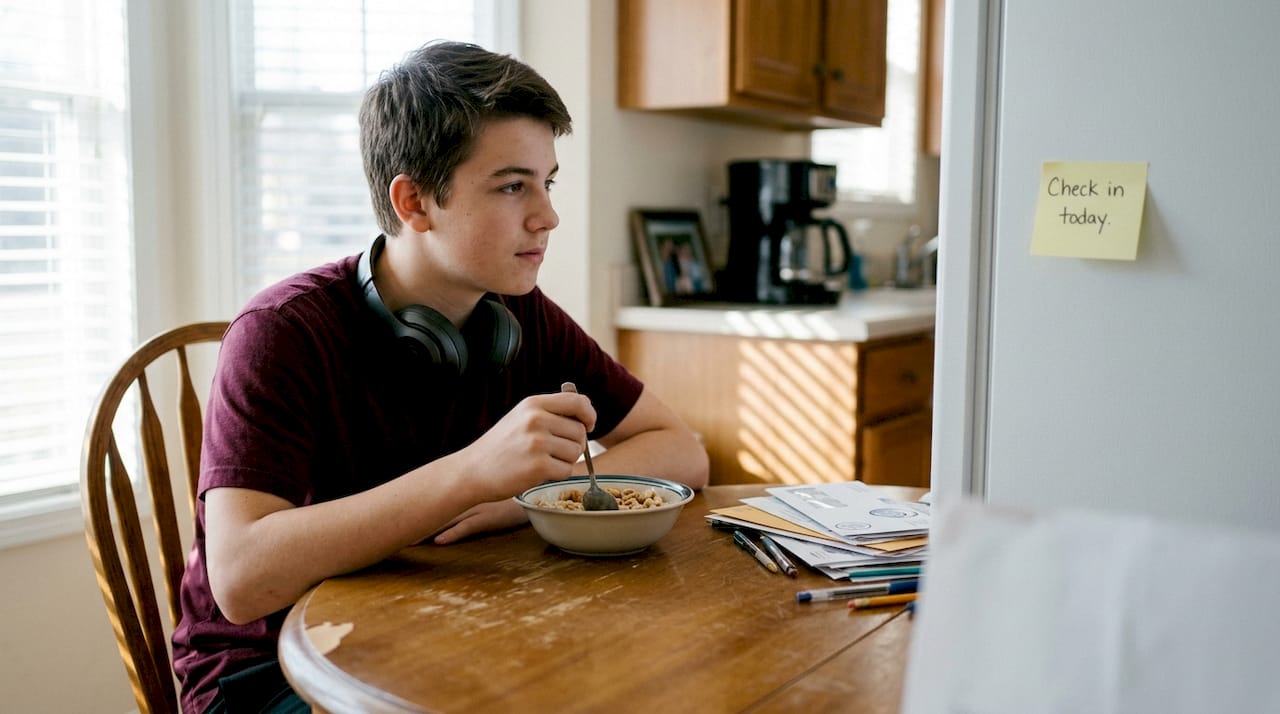
What’s normal: Feeling stressed before a big test, sad after a breakup, or anxious about a social situation is part of being human. These feelings usually ease up within a few days once the situation changes.
Red flags to watch for:
- Sadness or hopelessness that lasts two weeks or more, with no clear reason
- Pulling away from friends, family, or activities you used to enjoy
- Big changes in sleep (too much or too little) or appetite
- Difficulty concentrating, even on things you care about
- Feeling worthless or like a burden to others
- Thoughts of hurting yourself or not wanting to be here
Some groups face higher risk. School-based mental health efforts in California specifically highlight girls, LGBQ+ youth, and teens who have experienced trauma as populations that need extra attention and support.
“57% of teen girls in California reported feeling persistently sad or hopeless in 2021, according to CDC YRBS data. Suicide remains the second leading cause of death among California youth ages 10 to 24.”
Those numbers aren’t meant to scare you. They’re meant to show you that what you might be feeling is not rare, and you are not alone in it. Understanding the types of teen therapy available can help you feel more prepared to take action.
If you or someone you know is having thoughts of suicide or feels unsafe right now, call or text 988 immediately. It’s free, confidential, and available 24/7.
3. Practical self-care: Build routines for resilience
Knowing the warning signs matters, but what you do every single day has a huge impact on how you feel. Small, consistent habits build the kind of mental resilience that helps you bounce back from hard moments faster.
Here are strategies that California mental health experts recommend for teens managing anxiety and depression:
- Sleep 8 to 10 hours. Sleep is when your brain processes emotions. Cutting it short makes everything harder, including regulating your mood.
- Move your body daily. Even a 20-minute walk changes your brain chemistry. You don’t need a gym or a sport. Just move.
- Limit screen time before bed. Scrolling social media spikes anxiety and disrupts sleep. Try a 30-minute screen-free wind-down.
- Talk to someone you trust. Opening up to a friend, parent, or school counselor reduces the mental weight you’re carrying alone.
- Set small, realistic goals. Finishing one task instead of stressing about ten builds confidence and momentum.
- Try mindfulness. Deep breathing, a five-minute body scan, or a mindful walk outside can lower your stress response quickly.
For more ideas, check out mental health self-care ideas that are practical and easy to start today. If you want to build longer-term resilience, exploring teen self-growth and resilience strategies can give you a real foundation.
Pro Tip: Keep a simple mood journal. Write one sentence each night about how you felt that day. After two weeks, patterns will show up that you might not have noticed otherwise. Those patterns are early warning signs you can actually act on.
4. Essential California resources: Where to turn right now
Self-care is powerful, but it has limits. When you’re in a hard moment or when self-care isn’t cutting it, knowing exactly where to go matters more than any tip or strategy.
California has built some genuinely useful, free, and confidential resources specifically for teens. Here’s how they compare:
| Resource | Who it’s for | Cost | How to access | Response time |
|---|---|---|---|---|
| Soluna app | Ages 13 to 25 | Free | Download on iOS/Android | Immediate |
| Teen Line | Teens in crisis | Free | Call or text 800-852-8336 | Minutes |
| CalHOPE | All CA residents | Free | Call or online chat | Same day |
| 988 Lifeline | Anyone in crisis | Free | Call or text 988 | Immediate |
California’s accessible resources for teens include the Soluna app (ages 13 to 25, offering free coaching, peer communities, and care navigation), Teen Line, CalHOPE, and the 988 Suicide and Crisis Lifeline. None of these require insurance. All are confidential.
Here’s how to use the Soluna app in three steps:
- Download Soluna from the App Store or Google Play.
- Create a free account using just your age and zip code. No insurance or full name required.
- Choose between peer support communities, one-on-one coaching sessions, or care navigation to find a therapist.
If you prefer talking to a real teen who gets it, Teen Line connects you with trained teen volunteers who listen without judgment. For online therapy for California teens, telehealth options make it easier than ever to connect with a licensed therapist from home.
Reaching out is not weakness. These tools exist because someone decided teens deserve real support, not just advice to “hang in there.”
What most mental health checklists miss: Your voice matters
Here’s something most checklists won’t tell you: the tools in this guide are guides, not gatekeepers. Some research shows that the PHQ-9 and GAD-7 can underperform in certain groups, and that clinician judgment is essential alongside any score.
What that means for you is this: if something feels wrong, trust that feeling even if your score doesn’t hit the cutoff. Numbers on a questionnaire can’t capture everything you’re living through. Your lived experience is real data.
Many teens stay silent because they feel like their problems aren’t “bad enough” to deserve help. That thinking keeps people stuck. A conversation with a peer, a family member, or a counselor can fill gaps that no app or paper tool ever could. Family support for teens plays a bigger role in recovery than most people realize. Every step toward support counts, even if it’s just a text to a friend.
Next steps: Get support from California experts
If your self-check scores, warning signs, or daily struggles are pointing to something ongoing, the most powerful next step is connecting with a licensed therapist who actually understands California teens.
At ReviveHealthTherapy, we offer therapy for California teens that is evidence-based, approachable, and designed around your real life. Our therapists use CBT for California teens and other proven methods to help you build real coping tools, not just talk about problems. We also offer fully confidential telehealth therapy options statewide, so you can connect from wherever you are. Sliding-scale fees and insurance acceptance mean cost doesn’t have to be a barrier. You’ve done the hard work of reading this far. Taking one more step toward support could change everything.
Frequently asked questions
What should I do if I see warning signs in myself or a friend?
If you or someone else has thoughts of self-harm or suicide, call or text 988 right away for immediate help. California resources like Teen Line, Soluna, and CalHOPE are also available for crisis support at no cost.
How often should I use a mental health checklist?
Once a month is a solid baseline, or anytime you notice a shift in your mood or stress levels. PHQ-9 and GAD-7 assess symptoms over the past two weeks, making them easy to use for regular check-ins.
Are my answers private if I use these checklists or apps?
Yes, tools like Soluna are confidential and don’t require insurance or identifying information. Always review each platform’s privacy policy before signing up.
Can therapy really help with anxiety or depression?
Absolutely. CBT is the gold standard for treating teen anxiety and depression, with strong evidence from clinical trials showing real, lasting improvement with the right support.
Recommended
- 7 Essential Mental Health Tips 2026 for Californians – ReviveHealthTherapy
- Practical mental health coping tips for Californians – Revive Health Therapy
- Youth anxiety in California: Key strategies for parents – Revive Health Therapy
- Mental health tips for families in California 2026 – ReviveHealthTherapy
- Checkliste zur Selbstliebe: 30 Wege für mehr Selbstakzeptanz 2026 – Candymindset – Dein Weg zu persönlichem Wachstum & Erfolg
One Response