
Exposure-focused cognitive behavioral therapy (CBT) is the best-supported treatment for school anxiety, and it works better when parents and school staff pull in the same direction, according to UCSF treatment guidelines and a review of home-school partnerships. Your first step is an evaluation with your child’s pediatrician or a mental health professional. Below, we walk through signs, treatment, and practical steps.
TL;DR:
- The USPSTF recommends anxiety screening for children ages 8 to 18; persistent distress that disrupts attendance, sleep, or learning warrants clinical evaluation.
- A typical youth CBT course lasts 6 to 20 sessions, and exposure practice should build from manageable school fears rather than rely on relaxation alone.
- Keep a daily record of attendance, symptoms, triggers, and recovery time, then use it with school staff to set graded goals and track progress.
- Seek urgent help if your child mentions suicide, stops eating or drinking, withdraws severely, or behaves unsafely; call or text 988 if danger is imminent.
Table of Contents
- What school anxiety and school refusal mean, and when to get an evaluation
- Signs and patterns parents and teachers should watch for
- Evidence-based treatment options for school anxiety
- What therapy looks like in practice
- Practical steps parents can take right now
- When to seek urgent or higher-level help
- How trauma-informed care shapes school anxiety therapy
- Therapy approaches for children versus teens
- How culture and cost affect school anxiety and therapy engagement
- How clinicians assess school anxiety
- A therapist’s note from Amy
- How Revive Health Therapy can help your child get back to school
- FAQ
- Sources
What school anxiety and school refusal mean, and when to get an evaluation
Every child worries before a test or a new classroom. Anxiety becomes a clinical concern when it keeps showing up and gets in the way of daily life. The CDC explains that therapy is generally indicated when anxiety consistently interferes with activities like attending school or sleeping.
School refusal is a related pattern: a child avoids going, arrives late, or leaves early because of emotional distress, not defiance. Clinicians look at how much distress the child feels and how much school functioning suffers. Some use structured frameworks to sort out why a child is avoiding school.
Here is how to tell the difference:
- Typical worry: passes within days, and your child still attends and participates.
- Anxiety disorder: persistent fear that disrupts sleep, mood, friendships, or learning.
- School refusal behavior: repeated missed days, late arrivals, or morning crises tied to school.
On screening, the USPSTF recommends screening for anxiety in children and adolescents aged 8 to 18 (Grade B). For children 7 and younger, the evidence is insufficient to judge the benefits and harms of routine screening, which does not mean you should ignore worries about a younger child. If anxiety is keeping your child out of class, call your pediatrician or a mental health clinician for an assessment.
Signs and patterns parents and teachers should watch for
School anxiety rarely announces itself. It often shows up as a stomachache at 7 a.m. or a meltdown at the front door. Watch for patterns across three areas:
- Emotional: panic, tearfulness, constant “what if” questions, dread on Sunday nights.
- Physical: headaches, nausea, racing heart, trouble sleeping, repeated visits to the nurse.
- Behavioral: avoiding class, begging to stay home, dropping grades, pulling away from friends.
A simple log turns vague worry into useful information. Starting today, write down each day’s attendance, the time symptoms began, what happened beforehand, and how long recovery took. Notes give a clinician and the school something concrete to work with.
Anxiety does not always travel alone. A narrative review found that school refusal behavior is commonly associated with anxiety disorders and with neurodevelopmental or psychiatric comorbidities.
Worth knowing: school refusal commonly overlaps with anxiety disorders and other conditions, so a thorough evaluation should look beyond the school problem itself. Bullying and learning differences are also worth ruling out early.
Evidence-based treatment options for school anxiety
For childhood anxiety disorders, CBT is the psychotherapy with the most robust evidence, and UCSF’s guidelines describe a typical course of 6 to 20 sessions. Treatment usually moves through psychoeducation, body-calming skills, cognitive restructuring, exposure tasks, and relapse prevention.
Exposure is the part that does the heavy lifting. In a CBT review in PMC, therapist, child, and parents build an exposure hierarchy together, ranking feared school situations from easiest to hardest, then practice them step by step. That approach shows faster improvement than relaxation-only methods. Research on inhibitory learning explains why: children discover they can tolerate distress and that the feared outcome usually does not happen. Relaxation alone is often not enough, because lasting gains come from mastery and engagement, not from eliminating anxious feelings.
Other supports can sit alongside CBT:
- Family involvement: parents learn to coach practice and cut back on avoidance.
- Group or school-based CBT: useful when access or scheduling is tight.
- Clinician-delivered school programs: a meta-analysis of randomized trials found clinician-delivered CBT programs outperformed teacher-delivered ones, especially for secondary-school students.
- Telehealth: recent CBT advances include school, telehealth, and online delivery to widen access.
- Medication: the CDC notes therapy can be combined with medication when needed, a decision for your child’s prescriber.
Therapy for anxiety does not aim to make a child feel nothing. It teaches a child to feel nervous and walk into the classroom anyway, and that skill is built through repeated, supported practice.
Pro Tip: Ask any prospective therapist how much of each session is spent on exposure practice. If the answer is “mostly relaxation,” keep looking.
What therapy looks like in practice
Knowing the shape of treatment makes the first appointment less intimidating. Most courses follow this path:
- Intake and assessment. The clinician interviews you and your child, reviews your attendance log, and may use questionnaires. Goals are set together, with your child’s voice included.
- Skills and understanding. Your child learns what anxiety does in the body and how thoughts feed fear.
- Building the hierarchy. Together you list feared situations, such as walking into the building, sitting through first period, or eating lunch in the cafeteria, and rank them.
- Practice and homework. Your child tries the easier steps in session, then repeats them at home or school between visits.
- School coordination and relapse prevention. The clinician consults with school staff, often using a daily report card (DRC) tied to the hierarchy, and plans for setbacks.
Sessions typically run 6 to 20 sessions, though flexibility within fidelity means a clinician can shorten or reshape sessions for a school setting while keeping the core components.
Your role is coaching, not rescuing. NIH-reported research points to caregivers coaching practice at home and praising approach behaviors. That means gently declining accommodations that feed avoidance, like writing excuse notes or allowing every morning to end at home.
Pro Tip: Praise effort, not outcome. “You walked to the door even though it was hard” builds more courage than “good job today.”
Practical steps parents can take right now
You do not have to wait for the first appointment to help. Start with these:
- Write down absences, symptoms, and triggers each day.
- Call your pediatrician and your child’s school counselor to request an evaluation.
- Set one small attendance goal, such as staying through the first class.
- Practice a brief breathing exercise together when your child is calm.
- Offer one short reassurance, then redirect to a coping step instead of answering “what if” questions repeatedly.
When you meet with school staff, bring your log and propose a measurable DRC linked to the fear hierarchy. The home-school research stresses a shared fear hierarchy and collaborative goal-setting so skills carry into the classroom. For checklists you can print, see our anxiety management checklists for families, and our guide on the role of parents in therapy covers coaching in more depth.
| Step | What to do | Who helps |
|---|---|---|
| Document | Keep a daily attendance and symptom log | Parent |
| Evaluate | Request an assessment | Pediatrician, school counselor |
| Plan | Set a graded goal and DRC | Parent, school, therapist |
| Practice | Coach small exposures and praise approach | Parent |
Before the first therapy visit, bring your log, school reports, and a list of questions: Do you use exposure-focused CBT? How will you work with the school? What can we practice before the next session?
When to seek urgent or higher-level help
Some situations cannot wait for a regular appointment. Seek immediate help if your child:
- Talks about self-harm or suicide.
- Shows severe withdrawal, refuses food or drink, or stops functioning at home.
- Engages in unsafe behavior or expresses hopelessness.
Seek immediate emergency care for imminent danger. You can also call or text the Suicide & Crisis Lifeline at 988. Anxiety can occur alongside depression and substance use risk, so do not downplay these signs.
How trauma-informed care shapes school anxiety therapy
Sometimes school fear has a source: a bullying incident, a frightening event, a hard transition. Trauma-informed care assumes any child may carry such experiences and builds treatment around safety. We use these principles when school anxiety therapy has this layer:
- Safety first: predictable routines, clear explanations, and no surprises in session.
- Trust and transparency: your child knows what will happen and why before it happens.
- Choice and control: your child helps pick which exposure step comes next, so practice feels like empowerment, not pressure.
- Collaboration: therapist, family, and school share the plan.
- Pacing: exposure moves at a speed that challenges without flooding.
Trauma-informed care does not replace exposure. It shapes how exposure is delivered, so a child with a painful history can approach the hierarchy with support instead of fear. If your child’s reluctance seems tied to a specific event, tell the clinician early so the plan can account for it.
Therapy approaches for children versus teens
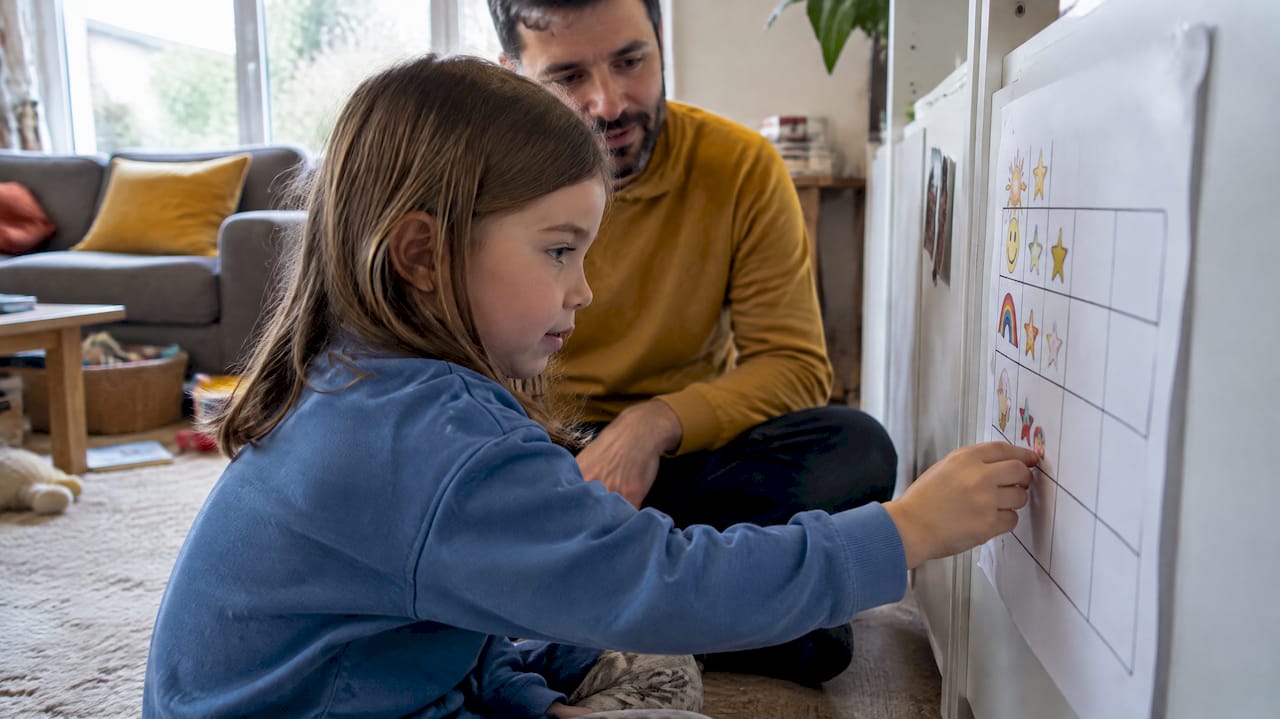
Age changes how therapy is delivered even when the core method stays the same. Younger children usually need parents deeply involved, with play, drawings, stories, and sticker charts making skills concrete. Parents often serve as co-coaches, practicing exposures at home with the child.
Teens want autonomy. Therapy with adolescents leans more on discussion, cognitive restructuring, and self-directed experiments, with parents in a supporting role instead of leading. A teen may negotiate their own hierarchy and track their own progress. Peer pressure, social media, and academic stakes often become part of the work.
Both groups benefit from exposure and school collaboration. Recent CBT reviews for adolescents emphasize personalization, so a good clinician adjusts language and pace to your child’s development. For teen-specific detail, read our pages on CBT for adolescents and therapy for teen anxiety.
How culture and cost affect school anxiety and therapy engagement
Anxiety does not look the same in every family. In some cultures, children express distress through physical complaints instead of words, and talking about emotions with outsiders may feel uncomfortable. A clinician who asks about your family’s values, language, and views on mental health can shape treatment so it fits instead of clashing.
Practical barriers matter too. Cost, work schedules, transportation, and school discipline policies can all get in the way. Telehealth can remove travel and time-off obstacles, and sliding-scale fees or insurance and HSA/FSA coverage can make care realistic. If your child has been labeled “defiant” for avoiding school, push back gently and ask for a mental health evaluation.
Bring your own culture and circumstances into the conversation. A good therapist treats them as information that improves the plan, not as obstacles to it.
How clinicians assess school anxiety
A thorough evaluation goes beyond “Is your child nervous?” Clinicians typically combine several sources:
- Clinical interview with the parent and child, covering onset, triggers, sleep, mood, and peer relationships.
- Diagnostic criteria from the DSM-5, which clinicians use to decide whether symptoms meet the threshold for conditions such as generalized anxiety, social anxiety, or separation anxiety.
- Standardized questionnaires completed by parent, child, and sometimes teacher, so patterns across settings become visible.
- School information such as attendance records, grades, and teacher observations.
- Functional analysis of why the child avoids school, for example to escape distress, avoid social situations, or seek attention at home.
Clinicians also screen for co-occurring depression, neurodevelopmental differences, and trauma, since these change the treatment plan. The result is a clear picture: which fears drive avoidance, how severe they are, and where to begin the hierarchy.
A therapist’s note from Amy
I work with families who feel stuck between a frightened child and a school day that will not wait. If that is you, the exhaustion and worry you carry are real, and asking for help is not a failure. At Revive Health Therapy, we use evidence-based, trauma-informed care, offer telehealth statewide, and see families in person at our locations. We also offer sliding-scale fees and accept insurance. Please do not wait for things to get worse before you reach out.
— Amy
How Revive Health Therapy can help your child get back to school
We offer child therapy, teen therapy, and family therapy using CBT and trauma-informed methods, with secure telehealth across California and in-person sessions at our Oakland, Walnut Creek, and San Francisco locations. Sliding-scale fees and insurance, including HSA/FSA plans, help keep care within reach.

When you reach out, ask about exposure-focused CBT and how we coordinate with your child’s school. Our services page shows everything we offer, and you can contact us to book an intake today.
This article is general information, not a substitute for advice from a qualified doctor. Consult a qualified healthcare professional about your own circumstances before acting on anything here.
FAQ
What are effective strategies for teenagers to manage anxiety?
The most effective approach is exposure-focused CBT, where teens gradually face feared situations while learning to challenge anxious thoughts. Between sessions, practicing small exposures and tracking progress helps. Parents support by praising effort and limiting avoidance.
Is it normal for a 2-year-old to have separation anxiety?
Yes, separation anxiety is a common part of early development, and toddlers often protest when a caregiver leaves. The USPSTF notes that evidence is insufficient to judge routine anxiety screening in children 7 and younger. If distress is intense, lasting, or disrupting daily life, talk with your pediatrician.
What are the effects of sleep anxiety in children?
Anxiety at bedtime can lead to difficulty falling asleep, night waking, and tiredness the next day, which can then make school worries worse. The CDC lists sleeping among the daily activities anxiety can disrupt. A consistent routine and CBT skills often help.
How long does therapy for school anxiety usually take?
Typical CBT for youth runs 6 to 20 sessions, according to UCSF guidelines. The exact length depends on severity, your child’s age, and how consistently exposure practice happens at home and school.
Sources
- Odphp
- Evidence-Based Treatment Guidelines for Anxiety | UCSF Child and Adolescent Psychiatry Portal
- Cognitive Behavioral Therapy for Children and Adolescents with Anxiety Disorders – PMC
- Harnessing Home-School Partnerships and School Consultation to Support Youth With Anxiety – PMC
- School-based Mental Health Interventions Targeting Depression or Anxiety: A Meta-analysis of Rigorous Randomized Controlled Trials for School-aged Children and Adolescents