
Many couples in California face communication breakdowns, unresolved conflicts, and emotional distance that strain their relationships. These challenges can feel overwhelming, leaving partners unsure how to reconnect and rebuild trust. Structured couples therapy offers a clear, evidence-based pathway to address these issues through professional guidance and proven techniques. This comprehensive guide walks you through every stage of the therapy process, from preparation to sustaining long-term growth, so you can approach therapy with confidence and clarity. Whether you’re struggling with recurring arguments or simply want to deepen your emotional bond, understanding what to expect helps you maximize the benefits of this transformative journey.
Table of Contents
- Key takeaways
- Preparing for couples therapy: what you need to know
- Step-by-step couples therapy process explained
- Common challenges and how to overcome them in therapy
- Measuring progress and sustaining relationship growth after therapy
- Explore expert couples therapy services at Revive Health Therapy
- Frequently asked questions
Key Takeaways
| Point | Details |
|---|---|
| Therapist selection criteria | Choose licensed, trained couples therapists with evidence based approaches and cultural competence. |
| Align therapy goals | Discuss goals as a couple before the first session to guide the process. |
| Session format and length | Most sessions run 50 to 90 minutes and follow a structured format where both partners share perspectives and practice new skills. |
| Commitment and consistency | Regular attendance, openness to feedback, and willingness to try new approaches drive progress. |
| Techniques for communication and connection | Evidence based approaches guide couples to improve communication, resolve conflicts, and rebuild emotional closeness. |
Preparing for couples therapy: what you need to know
Before stepping into your first therapy session, taking time to prepare mentally and practically makes a significant difference in your outcomes. Preparation before couples therapy includes understanding goals, choosing a qualified therapist, and setting expectations to enhance therapy effectiveness. Many couples seek therapy when facing specific challenges like communication breakdowns, where partners talk past each other or avoid difficult conversations entirely. Others notice growing emotional distance, where intimacy fades and connection feels forced. Recurring conflicts that cycle without resolution also prompt couples to seek professional support.
Choosing the right therapist is crucial for success. Look for licensed professionals with specialized training in couples therapy and experience working with relationship dynamics similar to yours. In California, therapists must hold valid state licenses and maintain continuing education in evidence-based approaches like Emotionally Focused Therapy or the Gottman Method. Cultural competence matters too, especially if you and your partner come from different backgrounds or face unique stressors related to identity, family expectations, or community context.
Before your first appointment, discuss your therapy goals together as a couple. This conversation helps you align on what you hope to achieve, whether that’s improving how you communicate during disagreements, resolving specific conflicts about finances or parenting, or reconnecting emotionally after a period of distance. Understanding therapy confidentiality is equally important. Your therapist will explain how they protect your privacy while creating a safe space for honest dialogue. Most couples therapy sessions last 50 to 90 minutes and follow a structured format where both partners share perspectives and practice new skills.
Commitment to the process determines your success. Regular attendance shows you’re invested in growth, while openness to feedback and willingness to try new approaches accelerates progress. Some couples worry about vulnerability or fear that therapy will expose painful truths. These concerns are valid, but skilled therapists create supportive environments where difficult conversations lead to healing rather than harm.
Pro Tip: Write down three specific relationship goals before your first session. This preparation helps you articulate what you want to change and gives your therapist clear direction from day one.
Step-by-step couples therapy process explained
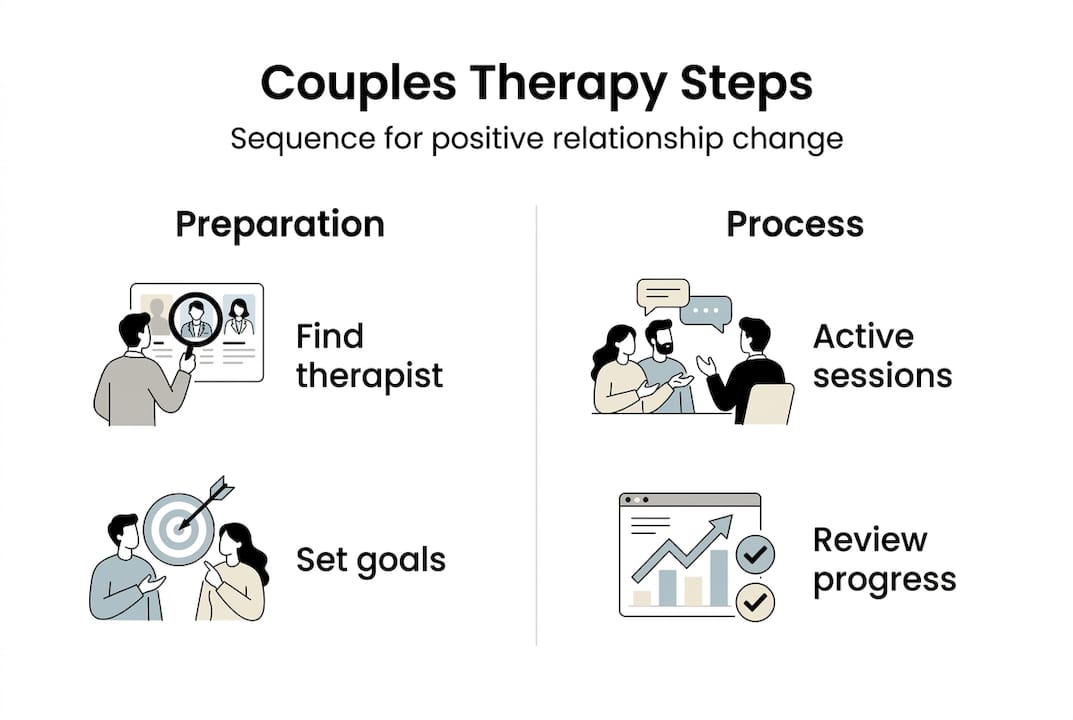
Couples therapy follows a clear sequence designed to address your relationship challenges systematically. Structured stepwise approaches in therapy include assessment, goal setting, intervention, and evaluation phases tailored to couple’s needs. Understanding each phase helps you know what to expect and how to participate actively in your healing journey.
The initial assessment phase typically spans one to three sessions. Your therapist gathers individual histories, exploring how each partner’s background, family experiences, and previous relationships shape current patterns. They also collect joint relationship history, identifying when problems began, what triggers conflicts, and what strengths you bring as a couple. This comprehensive picture allows your therapist to understand root causes rather than just surface symptoms. You’ll discuss current challenges in detail, helping your therapist recognize patterns that may not be obvious to you.
Goal setting comes next, where you and your therapist collaboratively define what success looks like. These objectives should be specific and measurable. Instead of vague goals like “communicate better,” you might aim to “reduce interrupting during disagreements” or “express appreciation three times weekly.” Prioritizing goals ensures you tackle the most pressing issues first while building momentum with achievable wins.
| Therapy phase | Duration | Primary activities |
|---|---|---|
| Assessment | 1-3 sessions | History gathering, pattern identification, relationship evaluation |
| Goal setting | 1 session | Defining objectives, prioritizing concerns, establishing metrics |
| Active intervention | 8-16 sessions | Communication exercises, conflict resolution practice, emotional reconnection |
| Progress review | Ongoing | Adjusting strategies, celebrating wins, refining goals |
Active therapy sessions form the heart of the process. Here you’ll engage in communication exercises that teach you to listen actively, express needs clearly, and validate each other’s feelings. Conflict resolution techniques help you manage disagreements without escalating into destructive arguments. Emotional reconnection activities rebuild intimacy through vulnerability, shared experiences, and intentional appreciation. Your therapist might use role-playing to practice difficult conversations in a safe setting or assign homework that reinforces new skills between sessions.
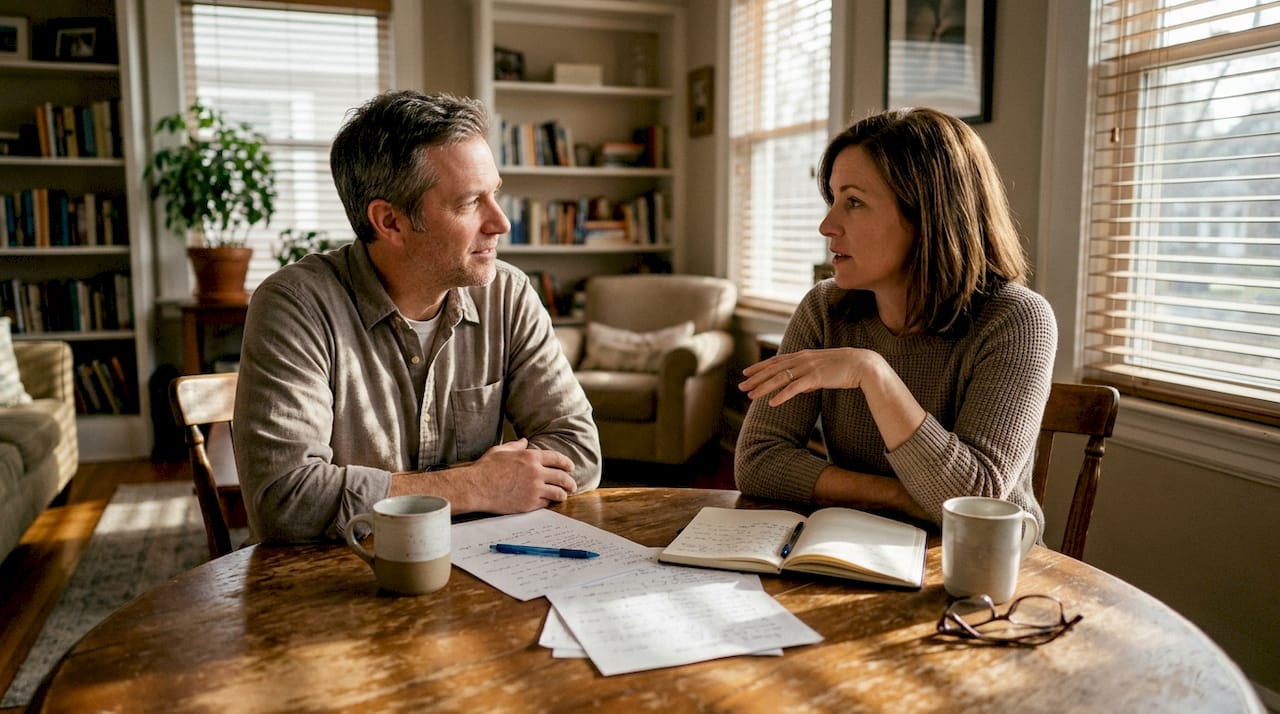
Homework assignments extend therapy benefits beyond the office. These might include daily check-ins where you share one positive observation about your partner, practicing specific communication techniques during low-stakes conversations, or completing exercises from therapy workbooks. Consistent homework completion correlates strongly with better outcomes because it integrates new patterns into daily life.
Regular progress reviews keep therapy on track. Every few sessions, you’ll step back to evaluate what’s working, what needs adjustment, and whether your goals remain relevant. This flexibility ensures therapy evolves with your changing needs rather than following a rigid script.
Pro Tip: Keep a therapy journal where you note insights from each session and track your homework progress. This record helps you recognize patterns and celebrate growth over time.
Common challenges and how to overcome them in therapy
Even committed couples encounter obstacles during therapy that can slow progress or create frustration. Recognizing these challenges early and knowing how to address them prevents discouragement and keeps you moving forward. Many couples experience setbacks or resistance in therapy that can be overcome by therapist guidance and mutual commitment.
Resistance to vulnerability often surfaces when therapy asks you to share feelings or admit mistakes. One or both partners may deflect, minimize concerns, or shut down emotionally during difficult conversations. This protective response makes sense given past hurts, but it limits healing. Therapists help by creating safety through validation, pacing disclosures appropriately, and teaching emotional regulation skills that make vulnerability less threatening. When you notice yourself or your partner withdrawing, name it gently and ask your therapist for support in working through the resistance.
Inconsistent attendance or engagement significantly undermines progress. Life gets busy, and it’s tempting to skip sessions when things feel better or cancel when conflicts make facing each other uncomfortable. However, therapy works through consistent practice and repetition. Missing sessions breaks momentum and prevents you from building on previous work. Commit to attending every scheduled appointment unless truly unavoidable, and reschedule immediately if you must cancel.
Misunderstandings about therapy goals create unnecessary friction. Sometimes partners enter therapy with different expectations, one hoping to fix specific behaviors while the other seeks deeper emotional connection. These misaligned goals cause frustration when progress looks different to each person. Your therapist can facilitate conversations that clarify shared objectives and help you appreciate different perspectives on what improvement means. Regular check-ins about whether therapy is meeting your needs prevent these misunderstandings from festering.
Therapists use specialized techniques to manage conflict when it arises in session. They might interrupt escalating arguments to slow down the pace, ask each partner to reflect back what they heard before responding, or redirect focus from blame to underlying needs. These interventions model healthy conflict management you can practice at home. Reframing perspectives is another powerful tool, where your therapist helps you see your partner’s behavior through a lens of positive intent or unmet needs rather than malice or indifference.
“The strongest relationships aren’t those without conflict, but those where partners learn to navigate disagreements with respect, curiosity, and commitment to mutual growth.”
Patience proves essential throughout therapy. Relationship patterns developed over years won’t transform overnight. Celebrate small wins like one successful conversation using new skills, even if other interactions still feel difficult. Open communication with your therapist about what’s working and what feels stuck ensures they can adjust their approach. Support systems outside therapy, such as trusted friends, family members, or support groups, provide encouragement when progress feels slow.
Common pitfalls to avoid:
- Expecting immediate dramatic changes rather than gradual improvement
- Bringing up new conflicts during sessions without giving your therapist context
- Using therapy content as ammunition during arguments at home
- Neglecting individual self-care while focusing solely on relationship work
- Comparing your progress to other couples or idealized relationship standards
Measuring progress and sustaining relationship growth after therapy
Recognizing when therapy is working helps you stay motivated and appreciate the positive changes unfolding in your relationship. Progress often appears gradually, making it easy to overlook without intentional reflection. Improved communication shows up when you can discuss sensitive topics without escalating into arguments, when you feel heard and understood by your partner, or when you catch yourself using therapy techniques naturally during everyday conversations. Fewer conflicts don’t necessarily mean you never disagree, but rather that disagreements resolve more quickly and leave less emotional residue.
Deeper emotional intimacy emerges as you share vulnerabilities more freely, express appreciation regularly, and feel genuinely connected during quality time together. Physical intimacy often improves as emotional safety increases. You might notice you’re laughing together more, making plans for shared experiences, or simply enjoying each other’s company without the tension that previously dominated your interactions.
| Aspect | Early therapy challenges | Post-therapy improvements |
|---|---|---|
| Communication | Frequent interrupting, defensiveness, avoiding difficult topics | Active listening, expressing needs clearly, addressing issues promptly |
| Conflict resolution | Escalating arguments, bringing up past grievances, personal attacks | Staying on topic, focusing on solutions, using respectful language |
| Emotional connection | Feeling distant, withholding affection, parallel lives | Sharing vulnerabilities, regular appreciation, intentional quality time |
| Trust and safety | Doubt, guardedness, fear of judgment | Confidence in partner’s support, openness, emotional security |
Effective couples therapy includes measurable progress indicators, with sustained growth supported by ongoing strategies. Comparing your relationship now to when you started therapy reveals how far you’ve come. Many couples find it helpful to review their initial goals and assess which have been met, which are still in progress, and what new aspirations have emerged.
Sustaining growth after formal therapy ends requires intentional effort. These strategies help you maintain and build on your progress:
-
Schedule regular relationship check-ins. Set aside time weekly or biweekly to discuss how you’re feeling about the relationship, celebrate wins, and address small concerns before they grow.
-
Continue using therapy tools. The communication techniques, conflict resolution strategies, and emotional connection practices you learned don’t expire when therapy ends. Keep practicing them deliberately.
-
Prioritize quality time together. Protect date nights, shared hobbies, or simple daily rituals that keep you connected amid busy schedules.
-
Maintain individual wellness. Your relationship health depends partly on each partner’s personal well-being. Continue individual therapy if needed, pursue personal interests, and practice self-care.
-
Stay accountable to each other. Gently remind your partner when old patterns resurface, and remain open when they do the same for you.
Booster sessions offer valuable support during transitions or when facing new challenges. Consider scheduling periodic check-ins with your therapist every few months or returning for a few sessions when stressors like job changes, moving, or parenting challenges strain your relationship. These brief interventions prevent backsliding and reinforce your skills.
Viewing therapy as part of continuous relationship care rather than a one-time fix normalizes seeking support when needed. Just as you maintain physical health through regular checkups and healthy habits, relationship health benefits from ongoing attention and professional guidance during difficult periods. This perspective removes stigma and empowers you to invest in your partnership proactively.
Explore expert couples therapy services at Revive Health Therapy
Now that you understand the couples therapy process and its transformative potential, taking the next step becomes easier with the right professional support. Revive Health Therapy offers specialized couples therapy services delivered by licensed therapists who understand the unique dynamics of California relationships. Our team brings expertise in evidence-based approaches tailored to your specific needs, whether you’re addressing communication challenges, resolving conflicts, or rebuilding emotional intimacy after difficult periods.
We recognize that every couple’s journey is unique, which is why our personalized approach begins with understanding your relationship history, current challenges, and goals for the future. Our therapists create supportive environments where both partners feel heard and respected, facilitating healing conversations that strengthen your bond. Convenient options including telehealth sessions make accessing quality psychotherapy benefits in California easier than ever, fitting therapy into your busy lives without additional stress. Explore our comprehensive couples therapy services to learn more about our approach and specialties. Ready to begin your journey toward a stronger, more connected relationship? Contact Revive Health Therapy today to schedule your first session and take the first step toward lasting change.
Frequently asked questions
What can couples expect during their first therapy session?
Your first session typically focuses on introductions and building initial rapport with your therapist. You’ll each share your perspective on current relationship challenges, discuss what brought you to therapy, and begin identifying goals for your work together. The therapist will explain their approach, answer questions about the process, and help you feel comfortable opening up. This foundation-setting session creates safety and direction for the therapeutic journey ahead.
How long does couples therapy usually last?
Most couples attend weekly sessions for 8 to 20 weeks, though duration varies based on your specific goals and the complexity of challenges you’re addressing. Some couples find significant improvement within a few months, while others benefit from longer-term support, especially when working through deep-seated patterns or trauma. Your therapist will discuss expected timelines during your initial sessions and adjust as your needs evolve.
What if one partner is hesitant about therapy?
Hesitation about therapy is common and doesn’t mean the relationship is doomed. Start by having an open conversation about specific concerns, whether they involve fear of being blamed, skepticism about therapy’s effectiveness, or discomfort with vulnerability. Consider attending an individual session first to ease into the process, or ask your partner to commit to just three sessions as a trial. Highlighting therapy’s benefits for personal growth, not just relationship repair, can reduce resistance and create buy-in.
Can therapy help when there’s ongoing conflict?
Yes, therapy is particularly effective for couples experiencing ongoing conflict because it provides structured guidance and neutral facilitation that breaks destructive patterns. Your therapist teaches communication tools that help you discuss difficult topics without escalating, identifies underlying needs driving conflicts, and helps you develop constructive resolution strategies. Many couples find that conflicts decrease in frequency and intensity as they learn to address issues more effectively through therapy.
Recommended
- Benefits of couples counseling for lasting connection – Revive Health Therapy
- Role of therapists in marriage health: California guide – ReviveHealthTherapy
- Types of marriage therapy: improve your relationship – Revive Health Therapy
- Why seek couples counseling in 2026: proven benefits – ReviveHealthTherapy