
Arguments that go in circles and growing silence between you can make even the strongest California couples feel isolated. When trust is shaky and every conversation becomes a minefield, seeking support may feel overwhelming or out of reach. Professional relationship counseling offers a safe, unbiased space where both partners are genuinely heard, helping you break old cycles and build healthier ways of relating without stretching your budget or sacrificing emotional safety.
Table of Contents
- Defining Relationship Counseling and Its Purpose
- Types of Relationship Counseling for Couples
- How Therapy Sessions Work and What to Expect
- Evidence-Based Techniques Used in Counseling
- Costs, Accessibility, and Choosing the Right Therapist
Key Takeaways
| Point | Details |
|---|---|
| Purpose of Relationship Counseling | It helps couples improve communication, resolve conflicts, and strengthen emotional connections with guidance from a trained therapist. |
| Timing for Counseling | Seeking help earlier can interrupt negative patterns, making repairs easier compared to waiting for a crisis. |
| Types of Therapy | Different approaches like EFT, CBCT, and The Gottman Method target specific issues, making it essential to find the right fit for your needs. |
| Choosing the Right Therapist | Credentials, therapeutic approach, and comfort level are critical for a successful counseling experience. |
Defining Relationship Counseling and Its Purpose
Relationship counseling is professional therapy designed to help couples improve communication, resolve conflicts, and strengthen their emotional connection. Think of it as a structured space where both partners can address issues with guidance from a trained therapist who doesn’t take sides.
What relationship counseling actually is:
Modern relationship counseling differs significantly from seeking advice from friends or family. Instead of informal guidance, you’re working with a licensed therapist trained in evidence-based techniques to help couples build healthier patterns. Couples therapy addresses psychological problems within the relationship context, moving beyond surface complaints to understand root causes of conflict.
This isn’t about blame or proving who’s right. It’s about creating understanding.
The core purposes of relationship counseling:
- Rebuild trust after betrayal, infidelity, or broken promises
- Improve how you communicate—especially during heated discussions
- Navigate major life transitions together (moving, job changes, parenthood)
- Address sexual or emotional intimacy issues
- Decide whether to stay together or separate mindfully
- Heal from past relationship patterns that repeat
Many California couples come to counseling when they’re stuck in cycles. You argue about the same thing repeatedly. You’ve stopped listening to each other. You feel disconnected but don’t know how to fix it.
Relationship-centered practice emphasizes active listening, collaboration, and mutual trust—creating a safe environment where both partners feel genuinely heard. This approach recognizes that relationships themselves become agents of positive change.
Why timing matters:
Couples often wait too long before seeking help. Research shows that couples tolerate unhappiness for an average of six years before addressing it professionally. The earlier you seek counseling, the more patterns you can interrupt and the easier repairs become.
You don’t need a crisis to benefit from therapy. Preventive counseling strengthens relationships before they break.
Relationship counseling works best when both partners genuinely want to improve the relationship, even if you’re uncertain about staying together.
Whether you’re looking for in-person or telehealth marriage therapy in California, the fundamental goal remains the same: helping you understand each other better and building skills to navigate life together.
Pro tip: Start counseling when you first notice persistent unhappiness or recurring conflicts, not when you’re already considering separation—earlier intervention creates more options and better outcomes.
Types of Relationship Counseling for Couples
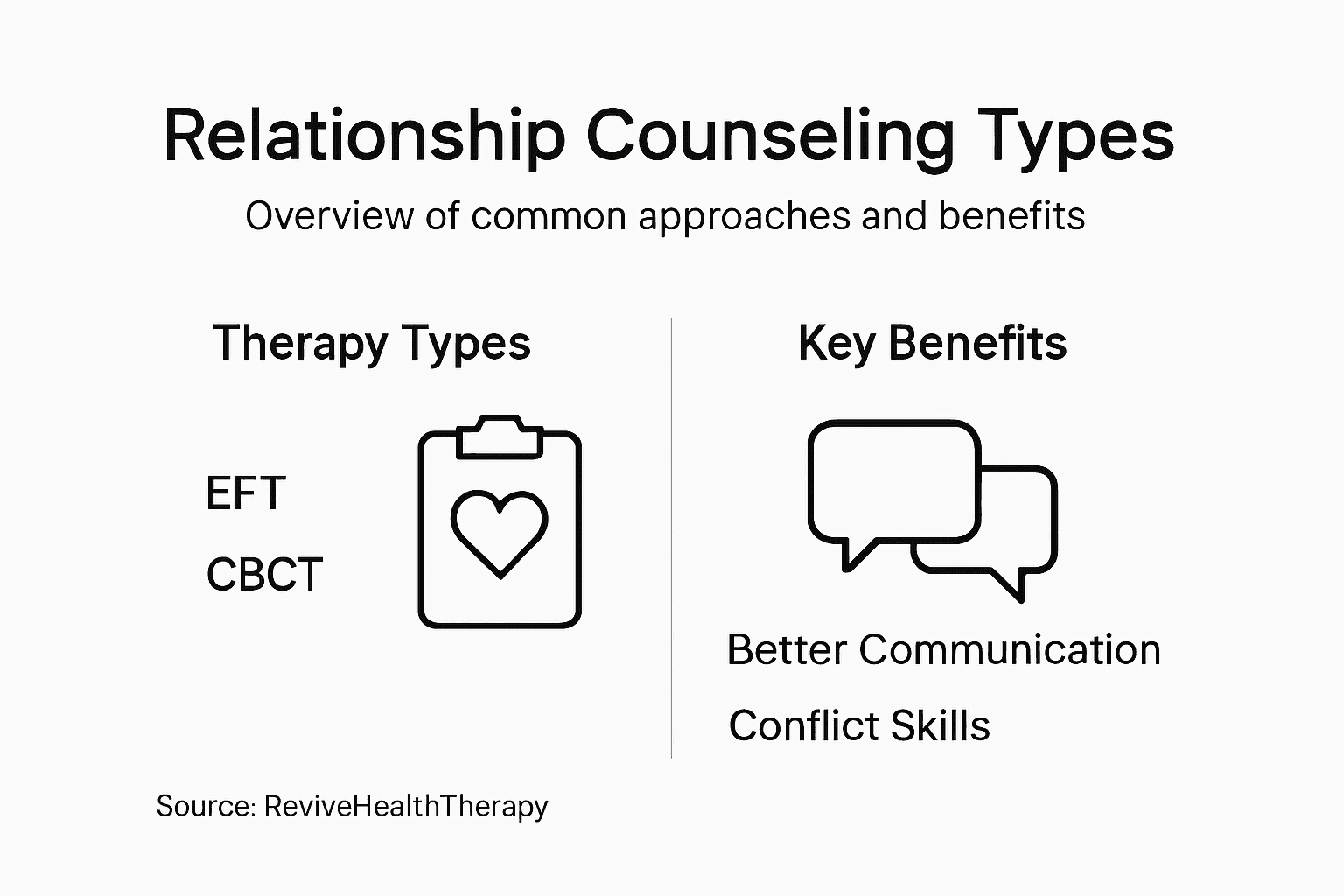
Not all relationship counseling works the same way. Different approaches address different issues, and finding the right fit matters. Your therapist will often blend multiple methods depending on what you and your partner need.
Emotionally Focused Therapy (EFT):
EFT focuses on the emotional bonds between partners. The goal is to help you understand what feelings drive your behavior during conflict. Instead of debating who’s right, you’ll explore why certain situations trigger hurt or defensiveness.
This approach works well for couples feeling disconnected or stuck in recurring conflict patterns. Many California couples find it effective for rebuilding intimacy after trust issues.
Cognitive Behavioral Couples Therapy (CBCT):
CBCT examines the thoughts and behaviors that create relationship problems. If you catastrophize during disagreements or shutdown emotionally, this approach addresses those patterns directly. You’ll learn concrete skills to communicate differently and respond more effectively to stress.
It’s practical and action-focused, ideal for couples wanting measurable progress quickly.
The Gottman Method:
Developed by marriage researcher John Gottman, this method teaches couples to manage conflict constructively. You’ll learn to recognize patterns that damage relationships and replace them with healthier interactions. The focus is on building friendship and respect alongside problem-solving.
Acceptance and Commitment Therapy (ACT):
Acceptance-based methods help couples accept difficult feelings while choosing values-based actions. Rather than trying to eliminate conflict entirely, you learn to move through disagreement without letting it damage your connection.
Psychodynamic Couples Therapy:
This approach explores how past relationships shape current patterns. You might notice you react to your partner based on experiences with parents or previous relationships. Understanding these connections helps break unhelpful cycles.
Common counseling formats:
- Joint sessions with both partners present
- Individual sessions to address personal issues
- Combined approach alternating between joint and individual work
- Group couples therapy with other couples
The best approach depends on your specific challenges, how both partners communicate, and what you hope to achieve together.
When seeking couples therapy for your relationship, ask your therapist which methods they use and why they’re recommending them for your situation. Evidence-based practices work better than generic counseling.
Pro tip: Ask potential therapists during your first call what their primary therapeutic approach is and request specific examples of how they’ve used it with similar issues—this helps ensure good fit before committing to sessions.
Here’s a comparison of common relationship counseling approaches and their main benefits:
| Counseling Method | Focus Area | Best For | Notable Strength |
|---|---|---|---|
| Emotionally Focused Therapy (EFT) | Emotional bonds | Couples with intimacy challenges | Rebuilds emotional connection |
| Cognitive Behavioral Couples Therapy (CBCT) | Thinking and behavior | Those wanting practical skills | Provides clear, actionable tools |
| The Gottman Method | Communication patterns | Managing persistent conflict | Teaches conflict management |
| Acceptance & Commitment Therapy (ACT) | Values and acceptance | Couples facing ongoing challenges | Increases emotional flexibility |
| Psychodynamic Couples Therapy | Past relationship patterns | Uncovering deep-rooted behaviors | Reveals subconscious influences |
How Therapy Sessions Work and What to Expect
Walking into your first couples therapy session can feel awkward. You might wonder what happens, how the therapist will react to your problems, or whether opening up will make things worse. Understanding the actual process reduces anxiety and helps you get the most from counseling.
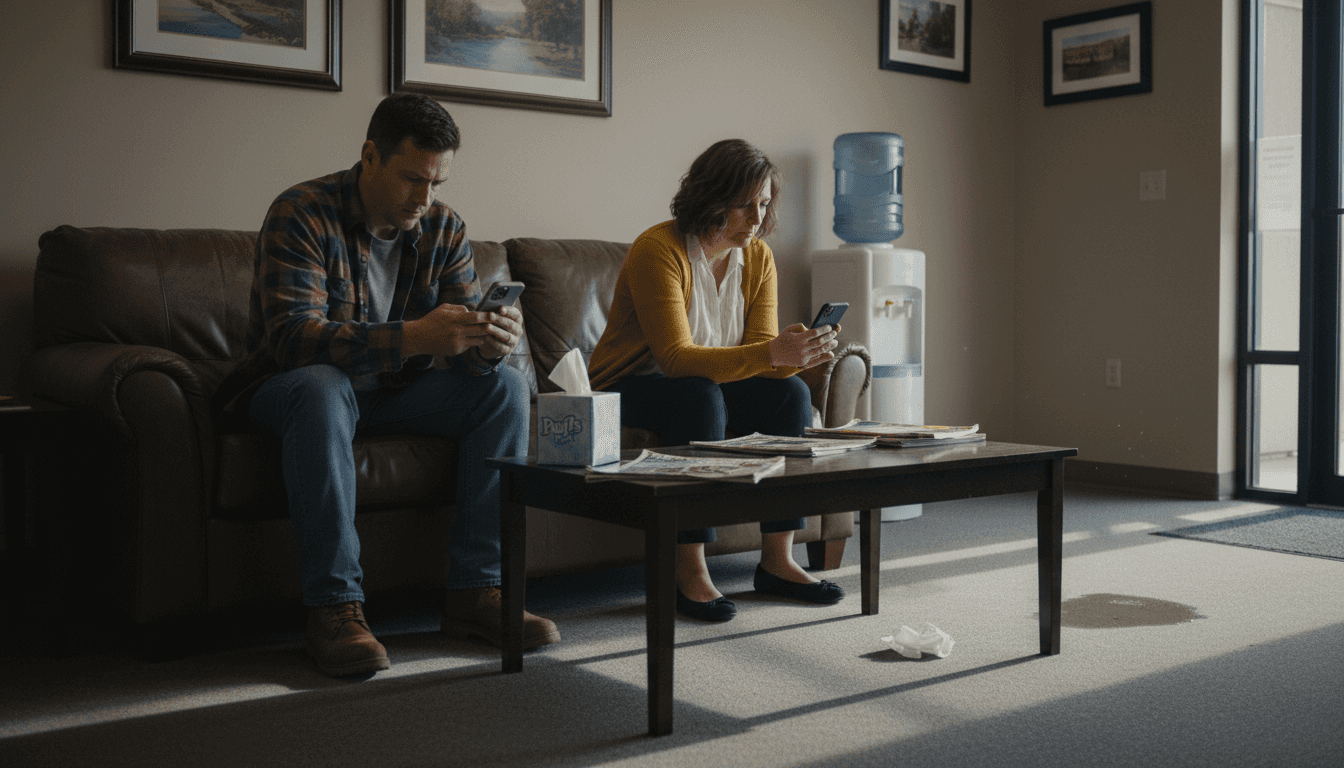
The first session structure:
Your initial appointment focuses on building rapport and understanding your situation. The therapist will ask about your relationship history, current challenges, and what you hope to achieve. This isn’t interrogation—it’s them gathering information to create a treatment plan.
You control how much you share. Trust develops gradually, not overnight.
What happens during regular sessions:
Most couples therapy sessions last 50 minutes to an hour. You’ll discuss feelings, conflicts, and patterns with your partner present. The therapist guides conversation, helps you both hear each other, and teaches skills when needed.
Collaborative treatment involves identifying and changing troubled emotions, thoughts, and behaviors together. The therapist won’t take sides or judge—they’re there to help you both move forward.
Between-session work:
Therapists often assign homework to reinforce progress. This might include communication exercises, tracking patterns, or practicing new skills at home. The work you do outside sessions matters as much as time in the office.
What to expect emotionally:
- Some sessions feel productive; others feel stuck
- You might feel worse before better as you address difficult topics
- Breakthroughs rarely happen in dramatic moments
- Progress is usually gradual and sometimes hard to notice
Real change takes time. Expect three to six months of consistent work before noticing significant shifts.
Building therapeutic alliance:
The relationship between you, your partner, and therapist is crucial. If something doesn’t feel right, tell your therapist. A good fit matters. You can request a different therapist if needed—this isn’t rejection; it’s self-care.
Your therapist’s job is creating a safe space where both partners feel heard, not fixing your relationship for you.
Understanding what to expect from psychotherapy helps you approach sessions with realistic expectations. Sessions work best when both partners show up willing to engage, even when it’s uncomfortable.
Pro tip: Write down specific issues or conversation patterns you want to address before each session—this keeps discussions focused and prevents spending time on general complaints.
Evidence-Based Techniques Used in Counseling
Not all therapy techniques work equally. Couples counseling that actually heals relies on evidence-based approaches—methods proven effective through rigorous research. California therapists using these techniques see better outcomes and faster progress than those relying on intuition alone.
Integrative Behavioral Couples Therapy (IBCT):
Integrative Behavioral Couples Therapy emphasizes identifying and accepting differences while developing stronger communication skills. Rather than forcing agreement on everything, you learn to understand your partner’s perspective and build emotional closeness despite disagreements. Research shows long-lasting improvements in relationship satisfaction.
This approach works well for couples stuck fighting over unchangeable differences.
Cognitive Behavioral Techniques:
Therapists help you identify thought patterns fueling conflict. If you assume your partner doesn’t care because they forgot a dinner date, your therapist helps you question that interpretation. You’ll learn to respond differently, breaking negative cycles.
These techniques produce measurable changes quickly.
Emotionally Focused Therapy (EFT) Skills:
EFT teaches you to recognize emotional triggers beneath arguments. You learn to express vulnerability instead of anger, helping your partner understand your actual needs. This creates genuine emotional connection rather than surface-level agreements.
Key evidence-based techniques include:
- Active listening exercises where partners practice reflecting back what they hear
- Identifying negative interaction patterns (pursuit, withdrawal, criticism)
- De-escalation strategies for heated conversations
- Assertive communication replacing aggressive or passive styles
- Vulnerability sharing to rebuild trust and intimacy
- Behavioral homework reinforcing skills between sessions
The best therapists combine multiple techniques based on your specific challenges. Your situation determines which tools matter most.
Why evidence matters:
Some relationship “advice” sounds good but lacks research support. Stick with approaches backed by clinical trials and published outcomes. Your therapist should explain why they’re recommending specific techniques and what research supports them.
Evidence-based counseling increases healing likelihood by targeting root causes, not just surface symptoms.
When selecting a therapist, ask about their training in specific evidence-based methods. ReviveHealthTherapy uses proven methodologies like cognitive behavioral approaches and trauma-informed care, ensuring your time and money go toward techniques actually shown to work.
Pro tip: Ask your therapist which specific evidence-based technique they’re using during each session and why—this keeps treatment focused and helps you understand the purpose behind every exercise.
Costs, Accessibility, and Choosing the Right Therapist
Cost shouldn’t be the barrier keeping you from healing your relationship. Many California couples avoid counseling because they assume it’s expensive or inaccessible. The reality is more flexible than you might think.
Understanding therapy costs:
Session costs typically range from $100 to $300 depending on the therapist’s experience and location. However, sliding scale fees adjust costs based on your income, making therapy affordable regardless of salary. Insurance coverage and HSA/FSA plans can reduce your out-of-pocket expenses significantly.
Most couples need an average of 12 sessions, not ongoing therapy for years.
Accessibility options in California:
You don’t have to sit in an Oakland or Walnut Creek office. Telehealth therapy works just as well for couples, offering flexibility around work schedules and childcare. You can attend sessions from home in comfortable, private environments.
In-person sessions remain available for those preferring face-to-face connection.
What to look for in a therapist:
Choosing the right therapist involves considering licensure, credentials, and experience with your specific issues. Ask potential therapists about their training, their approach to couples work, and their success rates. Personal comfort matters—if something feels off, keep looking.
Questions to ask before committing:
- Are you licensed and in good standing?
- What’s your experience with couples counseling?
- Which therapeutic approaches do you use?
- What are your fees and do you offer sliding scale?
- Do you accept my insurance or HSA/FSA?
- How long does typical treatment last?
- What’s your cancellation policy?
Therapist credentials that matter:
Marriage and family therapists are licensed professionals trained in relational dynamics and mental health issues. Licensed therapists (LCSW, LMFT, psychologist, counselor) have completed extensive training and supervision. Don’t settle for unlicensed “relationship coaches.”
Red flags to avoid:
- Therapists who take sides or blame one partner
- Those refusing to discuss fees upfront
- Professionals without verifiable credentials
- Anyone pressuring long-term commitments before assessing fit
The right therapist creates safety for both partners, never judges, and explains their methods clearly.
When selecting a therapist, how you choose directly impacts your healing journey. ReviveHealthTherapy offers affordable, evidence-based couples therapy with sliding-scale fees, accepting insurance and HSA/FSA plans. Both telehealth and in-person sessions at Walnut Creek and Oakland locations ensure you find an option that fits your life.
Pro tip: Schedule a brief phone consultation with 2-3 therapists before deciding—most offer free 15-minute calls where you can assess personality fit, fee structures, and their approach to couples work.
For quick reference, here are key factors to consider when choosing a couples therapist:
| Factor | Why It Matters | What to Look For |
|---|---|---|
| Credentials | Ensures proper training | Licensed LCSW, LMFT, or PhD |
| Approach | Impacts therapy outcomes | Evidence-based methods |
| Affordability | Enables consistent sessions | Sliding scale or insurance |
| Rapport | Supports open communication | Comfort with therapist’s style |
Strengthen Your Connection With Expert Relationship Counseling Today
If you recognize the challenges of repeated conflicts, broken trust, or fading intimacy described in “What Is Relationship Counseling and How It Heals Couples,” it is time to take proactive steps toward healing. At ReviveHealthTherapy, we specialize in accessible, evidence-based couples therapy designed to rebuild emotional bonds and improve communication. Using trusted methods like Cognitive Behavioral Therapy and Emotionally Focused Therapy, our licensed therapists create a safe, supportive space to break harmful patterns and restore closeness.
Don’t wait for conflicts to deepen. Start your journey toward understanding and lasting change with personalized support offered through both in-person sessions at our Walnut Creek and Oakland offices and convenient telehealth appointments throughout California. Contact us today at ReviveHealthTherapy Contact to schedule a free consultation and discover how our trauma-informed, affordable counseling services can help you and your partner heal together.
Frequently Asked Questions
What is relationship counseling?
Relationship counseling is a professional therapy designed to help couples improve communication, resolve conflicts, and strengthen their emotional connection through the guidance of a trained therapist.
How does relationship counseling help heal couples?
It provides a structured environment for couples to address their issues, rebuild trust, improve communication, and navigate emotional intimacy, leading to a healthier relationship.
When should couples seek relationship counseling?
Couples should seek counseling when they notice persistent unhappiness, recurring conflicts, or before considering separation, as early intervention can create more options and better outcomes.
What types of therapy methods are used in relationship counseling?
Common methods include Emotionally Focused Therapy (EFT), Cognitive Behavioral Couples Therapy (CBCT), The Gottman Method, Acceptance and Commitment Therapy (ACT), and Psychodynamic Couples Therapy, among others.
One Response