
Nearly half of married couples in the U.S. have sought couples counseling at some point, challenging the myth that therapy is only for failing relationships. Many couples pursue counseling to strengthen communication, deepen emotional bonds, and build resilience before crises emerge. This guide explains the common reasons couples seek help, how evidence-based therapy transforms relationships, and practical steps to begin your counseling journey in California.
Table of Contents
- Why Couples Seek Counseling: Common Challenges And Psychological Drivers
- How Couples Counseling Improves Communication And Emotional Connection
- Effectiveness And Outcomes Of Couples Counseling
- When To Seek Couples Counseling: Timing For Best Results
- Common Misconceptions About Couples Counseling
- Therapy Modalities Used In Couples Counseling
- Broader Benefits And Individual Impacts Of Couples Therapy
- Practical Steps To Begin Couples Counseling
- Explore Couples Counseling Services With Revive Health Therapy
- Frequently Asked Questions
Key takeaways
| Point | Details |
|---|---|
| Common challenges prompt counseling | Communication breakdowns, trust issues, and emotional distance are top reasons couples seek professional support. |
| Early intervention improves outcomes | Starting therapy when problems first appear leads to higher success rates and faster relationship recovery. |
| Multiple therapy types support couples | Gottman Method, EFT, and CBT each target different relationship dynamics to suit your unique needs. |
| Counseling benefits extend beyond relationships | Therapy reduces individual anxiety, improves emotional regulation, and strengthens personal well-being. |
| Online options expand accessibility | Telehealth couples therapy delivers results comparable to in-person sessions with greater convenience. |
Why couples seek counseling: common challenges and psychological drivers
Communication problems are the most common reason couples pursue therapy. When partners struggle to express needs, listen empathetically, or resolve disagreements constructively, frustration builds and emotional distance grows. Nearly 49% of married couples have participated in marriage counseling, often triggered by recurring conflicts that erode connection over time.
Beyond communication, couples seek help for:
- Trust erosion following infidelity or dishonesty
- Parenting disagreements creating household tension
- Sexual intimacy challenges affecting emotional closeness
- Life transitions like career changes or relocation stress
- Unresolved past trauma impacting present interactions
Psychological drivers underlying these challenges include negative interaction patterns. Criticism, defensiveness, and withdrawal replace affection and understanding. These cycles become self-reinforcing, making it harder for couples to break free without professional guidance. Many couples wait until distress peaks, but proactive help-seeking before crises solidify yields better outcomes.
Counseling offers a structured environment to identify harmful dynamics, understand emotional triggers, and practice healthier ways of relating. Therapists help couples recognize patterns they cannot see alone. Understanding what is relationship counseling clarifies how professionals facilitate this transformative process through tailored interventions.
How couples counseling improves communication and emotional connection
Therapy interrupts destructive cycles by teaching communication skills that foster empathy and reduce blame. Active listening techniques train partners to truly hear each other’s concerns without interrupting or formulating defensive responses. ‘I’ statements replace accusatory language, shifting focus from attacking to expressing personal feelings and needs.
Building emotional safety lowers conflict reactivity and creates space for vulnerability. When partners feel secure, they share deeper emotions without fear of judgment or rejection. Therapists guide couples through exercises that rebuild trust and restore intimacy gradually, respecting each partner’s pace and emotional capacity.
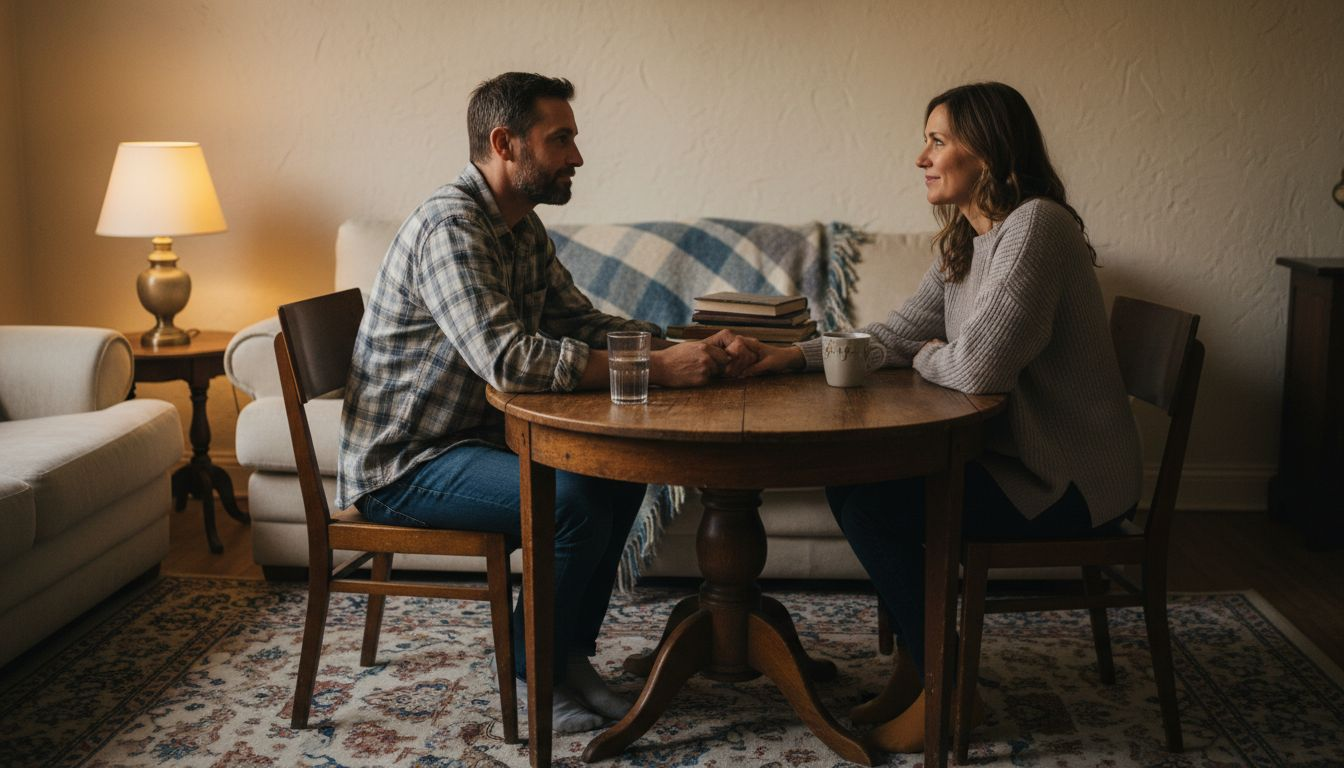
Counseling also addresses underlying attachment wounds. Past relationship experiences shape how we connect with partners today. Therapy helps couples recognize these patterns and consciously choose new responses. This awareness transforms automatic reactions into intentional choices, strengthening the relationship foundation.
Pro Tip: Consistent practice of learned skills outside sessions accelerates progress. Set aside 15 minutes daily to practice active listening or share appreciation, reinforcing therapy gains between appointments.
Exploring relationship counseling techniques reveals how structured interventions translate into real-world improvements. For California couples balancing busy schedules, telehealth marriage therapy provides flexible access to these transformative tools without geographic barriers.
Effectiveness and outcomes of couples counseling
Research validates counseling’s real-world impact. 70 to 80% of couples report improved relationship satisfaction after therapy, demonstrating that professional support delivers measurable results. These gains persist long-term when couples continue applying learned skills, showing therapy creates lasting change rather than temporary relief.
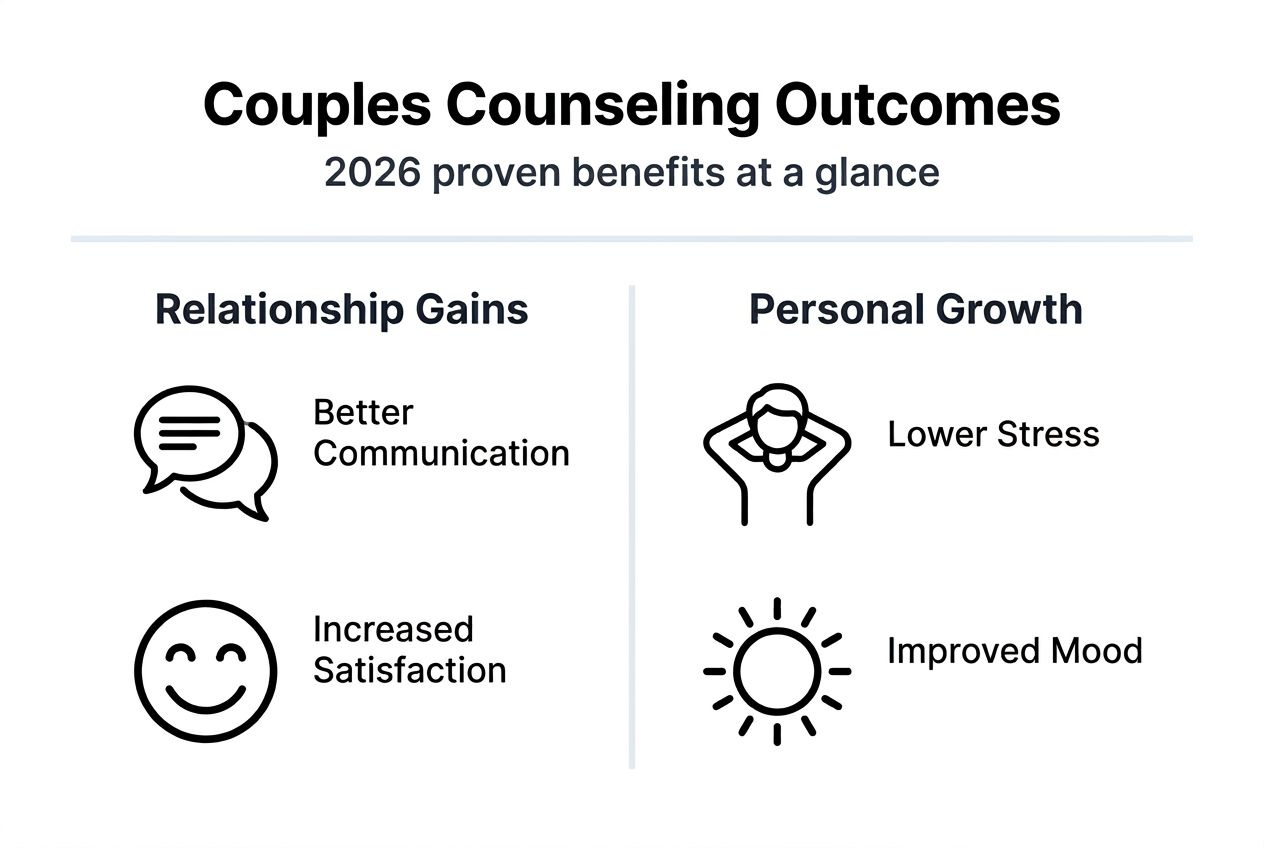
Early intervention strongly correlates with better outcomes. Couples who seek help at the first signs of persistent conflict experience faster recovery and deeper relationship transformation. Waiting until resentment hardens makes therapy more challenging, though still beneficial.
Online counseling effectiveness parallels in-person therapy, expanding access for couples in remote areas or with scheduling constraints. Video sessions maintain the therapeutic alliance essential for progress while eliminating commute time and geographic limitations. This accessibility removes common barriers preventing couples from seeking help.
| Outcome Measure | Success Rate | Timeframe |
|---|---|---|
| Improved communication | 75-85% | 8-12 sessions |
| Increased emotional connection | 70-80% | 12-16 sessions |
| Reduced conflict frequency | 65-75% | 10-14 sessions |
| Enhanced relationship satisfaction | 70-80% | 12-20 sessions |
“Couples therapy provides evidence-based strategies that change relationship dynamics at their core, not just surface behaviors. This depth of transformation explains why outcomes remain stable years after therapy concludes.”
For California couples considering options, telehealth marriage therapy effectiveness demonstrates how virtual sessions deliver comparable benefits to traditional office visits, making professional support more attainable regardless of location or schedule.
When to seek couples counseling: timing for best results
Couples delay seeking counseling by an average of six years, which undermines therapy outcomes significantly. This delay allows negative patterns to calcify, making change slower and more effortful. Recognizing early warning signs prevents this deterioration and maximizes counseling effectiveness.
Seek professional support when you notice:
- Arguments becoming more frequent or intense over time
- Emotional withdrawal replacing affection and engagement
- Trust erosion following specific incidents or ongoing patterns
- Sexual intimacy decreasing without clear physical causes
- Parenting disagreements creating household tension
- Feeling like roommates rather than romantic partners
Therapy before distress escalates yields higher success rates. Couples who address small issues before they compound experience shorter treatment periods and more dramatic improvements. Think of counseling like preventive health care: addressing concerns early prevents serious complications later.
Many couples wait until one partner threatens leaving or until external stressors force the issue. This crisis-driven approach makes therapy feel desperate rather than proactive. Shifting this mindset transforms counseling from last resort to relationship maintenance tool, normalizing help-seeking before breakdown occurs.
Persistent conflicts that resist your best resolution efforts signal professional guidance would help. If the same arguments repeat without progress, or if discussions escalate unpredictably, a therapist provides outside perspective and structured interventions your relationship needs.
Common misconceptions about couples counseling
Many happy couples seek counseling proactively, not only those facing breakup. This misconception prevents couples from accessing help that could prevent future crises. Therapy offers tools for ongoing relationship health, similar to how regular exercise maintains physical fitness rather than only treating illness.
Another myth suggests counseling takes sides or assigns blame. Effective therapists remain neutral, helping both partners understand their contributions to relationship patterns. The goal focuses on improving dynamics, not judging individuals. This collaborative approach makes therapy feel supportive rather than confrontational.
Some believe therapy only works if both partners are equally committed. While mutual investment helps, even one motivated partner can shift relationship dynamics positively. Individual changes ripple through the partnership, often inspiring reciprocal growth from the other partner over time.
The misconception that therapy means the relationship is failing creates stigma. In reality, seeking help demonstrates commitment to growth and willingness to invest in the partnership’s future. Strong couples use therapy to strengthen bonds, prepare for transitions, and deepen understanding.
Pro Tip: Viewing counseling as relationship maintenance increases willingness to seek help early. Frame therapy as investing in your partnership’s health rather than fixing brokenness, reducing shame and encouraging proactive engagement.
Understanding why seek psychotherapy in California clarifies how professional support enhances well-being across contexts, not just crisis intervention. Dispelling these misconceptions opens pathways to help that transform relationships before serious damage occurs.
Therapy modalities used in couples counseling
Therapists employ various evidence-based approaches tailored to couple-specific needs and goals. Understanding these modalities helps you choose therapy aligned with your relationship challenges.
The Gottman Method focuses on communication and managing conflict constructively. Developed from decades of research, this approach identifies destructive patterns like criticism and defensiveness, then teaches specific skills to replace them. Gottman therapists help couples build friendship, manage conflict, and create shared meaning through structured exercises and assessments.
Emotionally Focused Therapy (EFT) targets emotional disconnection to rebuild attachment bonds. This approach views relationship distress as stemming from unmet attachment needs. EFT therapists help partners access and express underlying emotions, creating new interaction patterns that restore security and closeness. This modality proves especially effective for couples experiencing emotional distance.
Cognitive Behavioral Therapy (CBT) addresses negative thought patterns affecting relationship dynamics. CBT helps couples identify distorted beliefs about their partner or relationship, then challenge and replace these thoughts with more balanced perspectives. This approach also teaches behavioral skills for managing conflict and expressing needs effectively.
| Therapy Type | Primary Focus | Best For | Typical Duration |
|---|---|---|---|
| Gottman Method | Communication and conflict management | Couples with frequent arguments | 12-20 sessions |
| EFT | Emotional connection and attachment | Partners feeling distant or disconnected | 15-25 sessions |
| CBT | Thought patterns and behaviors | Couples with negative interaction cycles | 10-16 sessions |
Therapists often integrate techniques across modalities, customizing treatment to your unique situation. Some couples benefit from EFT’s emotional depth combined with Gottman’s practical skills. Others need CBT’s cognitive work alongside attachment-focused interventions.
Exploring evidence-based therapy modalities reveals how these approaches improve emotional security, communication, and conflict resolution through different yet complementary pathways.
Broader benefits and individual impacts of couples therapy
Couples therapy reduces individual anxiety and mood symptoms beyond improving relationship satisfaction. Therapy improves emotional regulation and supports individual well-being, creating reciprocal benefits between personal and relational health. When relationship stress decreases, anxiety and depression often improve correspondingly.
Improved emotional regulation strengthens relationship interactions while enhancing overall mental health. Learning to manage intense feelings prevents emotional flooding during conflicts, making disagreements more productive and less damaging. These skills transfer beyond romantic relationships, improving workplace interactions and friendships.
Healthy relationships contribute to overall personal well-being through multiple pathways:
- Reduced stress hormones from secure attachment bonds
- Increased positive emotions from satisfying connections
- Better sleep quality when relationship tension decreases
- Enhanced self-esteem through supportive partnership
- Greater resilience when facing external stressors
The benefits ripple outward to family systems. Children in households with healthier parental relationships experience better emotional outcomes. Extended family dynamics often improve when core partnerships strengthen. This systemic impact makes couples therapy an investment in broader family wellness.
Individual therapy addresses personal issues, while couples work targets relational patterns. Sometimes both approaches work together, with partners attending individual sessions alongside joint couple meetings. This combined treatment proves especially effective when individual trauma or mental health conditions interact with relationship dynamics.
Practical steps to begin couples counseling
Starting therapy feels less overwhelming with clear next steps. Follow this roadmap to begin your counseling journey confidently.
- Choose therapists licensed and experienced in evidence-based couples therapy. Verify credentials through your state licensing board and confirm specialization in relationship work rather than general practice.
- Consider accessibility through location or telehealth with California providers. Online sessions eliminate commute time and expand therapist options beyond your immediate area.
- Prepare by discussing goals and expectations openly with your partner. Alignment on what you hope to achieve prevents conflicting agendas during sessions.
- Attend initial sessions ready to engage and practice recommended skills. Therapy works when you actively participate rather than expecting the therapist to fix everything.
- Schedule regular sessions consistently rather than sporadic appointments. Weekly or biweekly meetings maintain momentum and allow gradual skill building.
- Complete homework assignments between sessions to reinforce new patterns. Practice transforms awareness into lasting behavioral change.
Pro Tip: Set collaborative goals early to create shared commitment and track progress. Writing down specific objectives like “reduce argument frequency” or “increase affectionate touch” provides concrete benchmarks for measuring improvement.
When selecting a therapist, prioritize fit over credentials alone. An experienced provider who doesn’t mesh with your communication style proves less effective than a newer therapist who connects well. Most therapists offer free consultations, allowing you to assess compatibility before committing.
Finding a qualified therapist requires researching credentials, reading reviews, and trusting your instincts during initial contact. For couples ready to start, exploring couples therapy services reveals options tailored to your relationship needs and scheduling preferences.
Explore couples counseling services with Revive Health Therapy
If you’re ready to strengthen your relationship through professional support, Revive Health Therapy offers licensed couples counseling with proven techniques tailored to California couples. Our therapists specialize in evidence-based approaches like Gottman Method, EFT, and CBT, addressing communication challenges, emotional disconnection, and trust rebuilding.
Telehealth options maximize accessibility for busy schedules, eliminating commute time while maintaining the therapeutic connection essential for progress. Whether you’re addressing current conflicts or proactively strengthening your bond, our mental health services for adults provide comprehensive support. Explore telehealth marriage therapy in California to learn how virtual sessions deliver comparable results to in-person visits. Contact Revive Health Therapy today to start your counseling journey and invest in lasting relationship health.
Frequently asked questions
What are the most common reasons couples seek counseling?
Communication problems, trust issues, and emotional distance are leading reasons couples pursue counseling. Challenges like infidelity, parenting disagreements, and sexual intimacy concerns also frequently prompt therapy. Many couples seek help when recurring conflicts resist their best resolution efforts.
How soon should couples seek counseling after problems arise?
Seek counseling as early as persistent communication or trust issues appear, ideally within months rather than years. Delaying therapy can reduce effectiveness and prolong distress as negative patterns calcify. Early intervention leads to faster recovery and better long-term outcomes.
Can online couples counseling be as effective as in-person therapy?
Research shows online counseling is similarly effective as face-to-face sessions for most couples. Online therapy increases convenience and accessibility, eliminating geographic barriers and commute time. The therapeutic alliance, not the meeting format, predicts success.
What qualifications should I look for in a couples counselor?
Look for licensed therapists experienced in evidence-based couples modalities like Gottman Method, EFT, or CBT. Verify credentials through state licensing boards and confirm specialization in relationship work. Consider therapists offering telehealth if location or schedule is a factor.
Is couples counseling only for relationships in crisis?
Many couples seek counseling to enhance communication and strengthen their bond before crises occur. Therapy is a useful tool for relationship maintenance and growth, not just crisis intervention. Proactive counseling prevents small issues from becoming serious problems.
4 Responses