
TL;DR:
- In mental health, the whole-body approach involves treating the nervous system, emotions, and physical self as interconnected. Evidence shows that movement, breathing, and attention practices like yoga and Qigong effectively reduce anxiety, depression, and improve sleep when practiced regularly over 8 to 12 weeks. Full-body medical scans are not part of whole-body wellness and can pose psychological risks, unlike evidence-based mind-body strategies that foster emotional regulation and resilience.
When people hear “whole-body,” the mind often jumps to a full-body workout or a medical imaging scan. But in mental health, the whole-body approach means something far more powerful. It means treating your nervous system, your emotions, and your physical self as one connected system. Research increasingly confirms that how you move, breathe, and direct your attention shapes your anxiety levels, emotional regulation, and resilience in ways that talking alone often cannot reach. This guide focuses on that mind-body connection, and what it means for your mental health in practical terms.
Table of Contents
- Key takeaways
- The science behind whole-body mind-body approaches
- Physical movement as a mental health strategy
- Comparing yoga, Qigong, Tai Chi, and Baduanjin
- Whole-body wellness versus full-body medical scans
- Building a whole-body wellness routine that sticks
- My perspective on whole-body integration
- How Revivehealththerapy can support your whole-body journey
- FAQ
Key takeaways
| Point | Details |
|---|---|
| Mind-body practices reduce anxiety | Mindfulness-based interventions show a meaningful effect on anxiety across large clinical trials. |
| Movement is mental health medicine | Physical activity reduces inflammation, improves sleep, and directly lowers anxiety and depression. |
| Yoga, Qigong, and Tai Chi each have distinct strengths | Yoga leads for anxiety relief; Qigong performs best for depression and sleep quality. |
| Structured programs outperform casual practice | Eight to twelve week programs produce more reliable mental health results than occasional practice. |
| Whole-body wellness is not a medical scan | Full-body MRIs carry real psychological risks and are not a substitute for mind-body mental health care. |
The science behind whole-body mind-body approaches
The evidence supporting whole-body mental health strategies has grown significantly over the past decade. A meta-analysis of 30 RCTs involving more than 24,000 participants found that mindfulness-based interventions (MBIs) produced a pooled effect size of Hedges’ g = -0.45 overall, rising to g = -0.56 specifically for anxiety. That is a moderate-to-significant result by clinical standards, comparable to what many medication trials report for mild to moderate anxiety.
What makes these findings particularly compelling is the breadth of the evidence. MBIs include practices ranging from formal meditation to body-scan exercises and breath awareness. The effects are strengthened further when gratitude practices are woven into mindfulness programs, producing better emotional outcomes than mindfulness training alone. That combination matters. It shifts attention away from threat and toward noticing what is working, which directly interrupts the anxiety feedback loop.
Beyond mindfulness, a network meta-analysis of 27 RCTs found statistically significant benefits across yoga, Qigong, and Tai Chi for anxiety, depression, and sleep quality in college students. These therapies work through shared mechanisms. They all involve breath regulation, coordinated movement, and sustained attention, which together modulate the stress response through interoception and nervous system regulation.
“Mind-body therapies address anxiety not just through thinking differently, but through changing the felt sense of safety in the body itself.”
For anyone exploring mindfulness for anxiety relief, the research is clear: structured programs yield more reliable results than occasional or informal practice. The sweet spot identified across studies is 8 to 12 weeks of regular sessions.
Physical movement as a mental health strategy
The idea that exercise helps mental health is not new. But the scope of what movement actually does to the body and mind is still underappreciated. Physical activity reduces fatigue, improves sleep quality, decreases anxiety and depression, lowers systemic inflammation, and actively protects brain health. It is one of the most effective low-risk interventions available, and most people already have access to it.
When we talk about movement in the context of whole-body health, we are not just talking about gym sessions or athletic training. The category is intentionally broad:
- Aerobic movement: walking, swimming, cycling, dancing
- Strength training: bodyweight exercises, resistance bands, free weights
- Flexibility and balance: yoga, stretching, Pilates
- Mind-body movement: Tai Chi, Qigong, Baduanjin
Each type offers distinct benefits. A full-body workout does not need to be intense to be therapeutic. A 30-minute walk several times a week already demonstrates measurable effects on mood and anxiety in clinical research. What matters far more than intensity is consistency.
For people with limited mobility, chronic pain, or physical health conditions, this is genuinely good news. Yoga, Tai Chi, and strength training can all be adapted to different ability levels. Chair yoga is a real option. Gentle Qigong movements require no special equipment or physical fitness. Total body fitness does not require an athlete’s body. It requires showing up consistently.
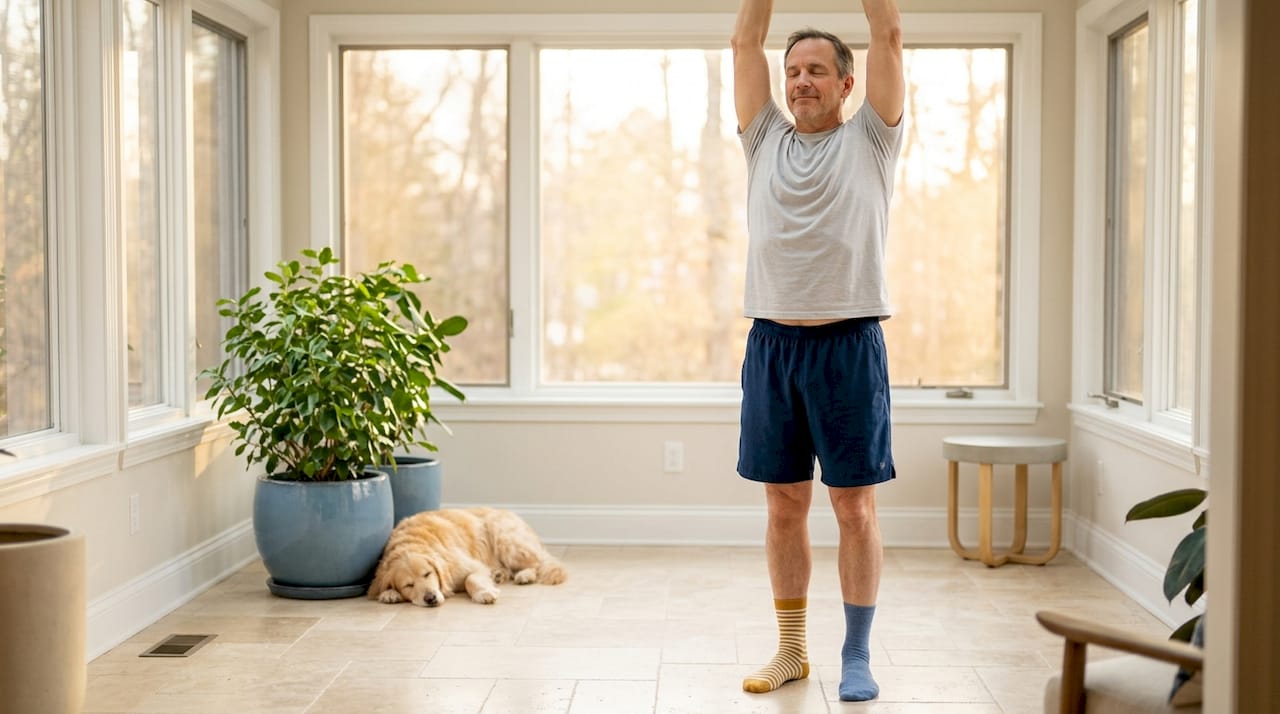
Pro Tip: Choose a movement you actually enjoy. Enjoyment is the strongest predictor of long-term adherence, and a practice you stick with for six months will always beat one that looks better on paper but gets abandoned after three weeks.
Comparing yoga, Qigong, Tai Chi, and Baduanjin
Not all mind-body therapies work the same way or produce identical results. Understanding the differences helps you choose what fits your specific mental health goals.
| Practice | Best for | Mechanism | Ease of access |
|---|---|---|---|
| Yoga | Anxiety, flexibility, stress | Breath control, posture, mindful attention | Classes widely available; many free online options |
| Qigong | Depression, sleep quality | Slow movement, breath coordination, energy focus | Moderate learning curve; group classes recommended |
| Tai Chi | Balance, anxiety, overall well-being | Flowing sequences, meditative focus | Moderate; benefits from structured instruction |
| Baduanjin | Fatigue, mood, general health | Eight-posture sequence, breath and movement sync | Accessible; shorter sequences easy to learn |
Yoga consistently shows the strongest effect for anxiety specifically, according to the network meta-analysis findings. Qigong outperforms the others for depression and sleep quality. Tai Chi holds its own for overall wellness and balance. These are not trivial differences. If your primary concern is anxious thinking and physical tension, yoga gives you the most direct route. If you struggle more with low mood and disrupted sleep, Qigong may serve you better.
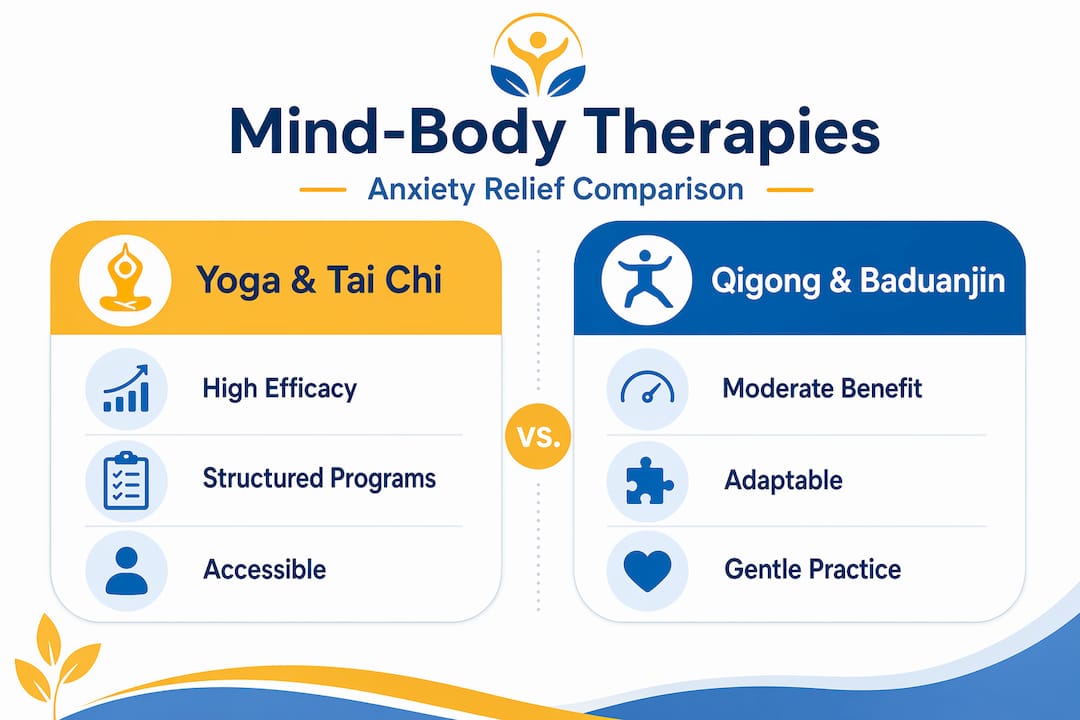
All four practices share three things: breath control as a central tool, movement that requires present-moment attention, and a structure that supports emotional regulation rather than just physical fitness. That overlap is exactly why they qualify as whole-body approaches rather than just exercise.
A few things to keep in mind when choosing:
- Aim for sessions of at least 45 to 60 minutes, two to three times per week
- Structured group programs or class-based formats produce better results than solo attempts from a YouTube video in the early stages
- Quality instruction matters, particularly for Tai Chi and Qigong, where incorrect form can reduce the therapeutic benefit
Whole-body wellness versus full-body medical scans
One confusion worth clearing up directly: whole-body mental wellness is not the same as getting a whole-body MRI. These are two entirely different things, and conflating them can actually harm your mental health.
Full-body MRI scans have grown in popularity as a kind of preventive health check. But medical experts warn that these scans carry real psychological risks:
- Incidental findings often appear on full-body scans. These are abnormalities spotted by chance that may be entirely harmless but trigger anxiety, follow-up tests, and unnecessary procedures.
- False negatives can provide false reassurance, causing people to ignore symptoms that genuinely warrant attention.
- Scan-related anxiety is a documented outcome. The process of scanning and waiting for results activates stress systems, which is the opposite of what whole-body wellness aims to achieve.
“Full-body scans should not be used indiscriminately. For most people seeking mental and emotional wellness, the risks of scanning outweigh the potential benefits.”
Full-body MRIs are appropriate in specific medical contexts, such as monitoring individuals with known genetic cancer risk factors. For general mental health and wellness seeking, they are not a substitution for mind-body practices. If you are genuinely curious about a full-body scan, that conversation belongs with your primary care physician, not a wellness marketing funnel.
Building a whole-body wellness routine that sticks
Knowing what works is one thing. Building it into your actual life is another. Here is a practical sequence for getting started:
- Identify your primary mental health goal. Is anxiety your biggest challenge? Sleep? Low mood? Your goal shapes which practices to prioritize.
- Choose one movement practice and one mindfulness practice. Start with just two. Adding too much at once is the fastest way to abandon everything within a month.
- Find a structured program. Look for 8 to 12 week classes or programs rather than going it alone. The structure matters as much as the content.
- Add gratitude exercises to your mindfulness practice. Even two to three sentences written each evening amplifies the emotional benefits of mindfulness.
- Track how you feel. Use a simple notebook or app to note your mood, sleep, and anxiety levels weekly. Patterns become visible quickly, and visible progress motivates continued practice.
- Collaborate with a professional. Whether that is a therapist, a yoga instructor, or your primary care provider, customized movement plans that account for your physical and mental health history are significantly more effective than generic programs.
Pro Tip: Consistency at 70% effort beats perfection at 100% effort. A 20-minute walk you do five times a week produces far better mental health outcomes than an ambitious 90-minute routine you manage twice a month.
My perspective on whole-body integration
I have watched a lot of people arrive at therapy convinced that their anxiety is purely a thinking problem. They want tools for their mind. Cognitive strategies. Reframes. Better thought patterns. And those things do help. But in my experience, the people who make the most lasting progress are the ones who stop treating their body as a passenger and start treating it as a co-driver.
What I find genuinely underused is the physical side of anxiety treatment. Not because people do not know exercise is good for them, but because they underestimate how direct and fast the feedback loop is. Move your body consistently for two weeks and your nervous system literally settles. Sleep improves. Reactivity decreases. You did not just think your way there. You moved there.
The challenge I see most often is not motivation. It is miscalibrated expectations. People try a yoga class once, feel awkward, and conclude it is not for them. Or they start a structured mindfulness program and quit when they do not feel transformed in the first week. The research is consistent here: benefits accumulate over 8 to 12 weeks of regular practice. Week two is not the payoff point. Week eight is.
My honest advice is to start smaller than feels necessary and commit longer than feels comfortable. The whole-body approach to mental health is not a detour from real therapy. For many people, it is what makes therapy work.
— Amy
How Revivehealththerapy can support your whole-body journey
If this article has resonated with you, you are already thinking about mental health the way the best evidence points. Mind-body connection is not a wellness trend. It is foundational to anxiety and stress treatment. But building and sustaining a whole-body wellness practice, especially when anxiety, trauma, or depression is involved, often goes more smoothly with professional support alongside it.
At Revivehealththerapy, the clinical team integrates evidence-based psychotherapy with trauma-informed, mindfulness-anchored approaches to help Californians address anxiety, depression, and emotional regulation. Whether you are in Walnut Creek, Oakland, or anywhere in the state via telehealth, you can access psychotherapy options tailored to where you are and what you need. Sliding-scale fees and insurance acceptance, including HSA/FSA plans, make that access realistic. You deserve whole-body care that actually accounts for your whole life.
FAQ
What does “whole-body” mean in mental health?
In mental health, whole-body refers to treating the mind and body as one interconnected system rather than separate concerns. It includes practices like mindfulness, movement, and breath-based therapies that address anxiety and stress through both physical and emotional pathways.
How long does a whole-body mind-body program need to be?
Structured programs of 8 to 12 weeks consistently produce more reliable mental health benefits than brief or informal practice. Shorter attempts often end before the nervous system has time to adapt.
Which mind-body therapy works best for anxiety?
Yoga shows the strongest effect for anxiety specifically, according to a network meta-analysis of 27 RCTs. Qigong performs best for depression and sleep quality. Both are valid parts of a whole-body approach.
Can I do whole-body wellness if I have physical limitations?
Yes. Movement practices like yoga and Tai Chi can be modified for different ability levels, including chair-based options for those with mobility challenges. The goal is consistent, accessible movement, not peak physical performance.
Is a full-body MRI part of whole-body wellness?
No. Full-body MRIs are medical imaging tools with documented psychological risks, including anxiety from incidental findings and unnecessary follow-up procedures. For mental and emotional wellness, mind-body practices are the evidence-based path, not diagnostic scanning.