
Many Californians assume trauma therapy hasn’t changed much in recent years, or that online sessions can’t match in-person care. The reality in 2026 is surprisingly different. Psychotherapy has evolved rapidly, especially in trauma-informed approaches and telehealth delivery, offering more accessible and effective options than ever before. This guide walks you through the evidence-based treatments, delivery methods, and key factors that make psychotherapy work for trauma recovery and mental health in California today.
Table of Contents
- How Psychotherapy Addresses Trauma And PTSD In 2026
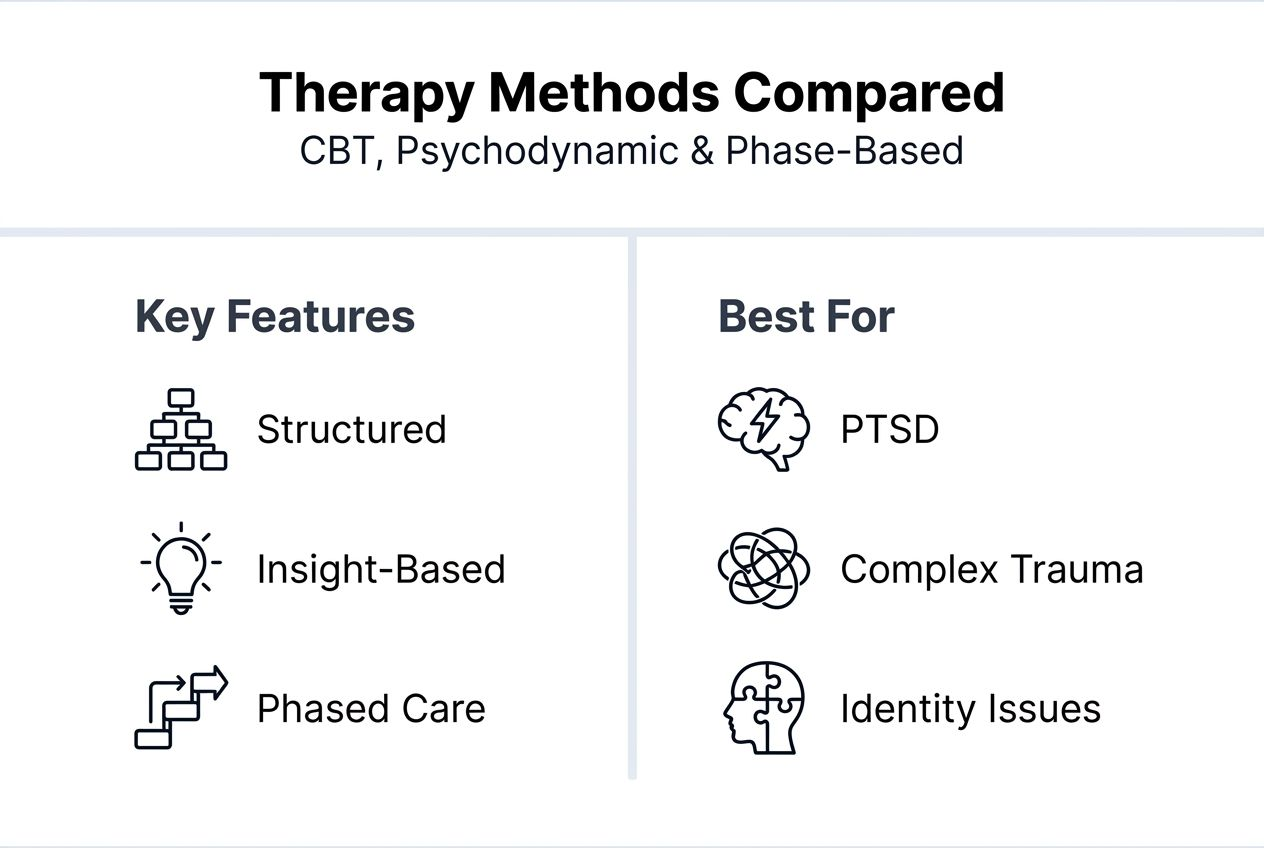
- Comparing Psychotherapy Approaches: CBT, Psychodynamic, And Phase-Based Therapies
- The Evolving Role Of Telehealth And Online Psychotherapy In California 2026
- Key Components For Lasting Recovery: Therapeutic Alliance And Trauma-Informed Care
- Get The Right Psychotherapy Support In California In 2026
- Frequently Asked Questions
Key takeaways
| Point | Details |
|---|---|
| Gold standard trauma therapies | Prolonged Exposure and Cognitive Processing Therapy remain the most effective treatments for PTSD in 2026. |
| Telehealth effectiveness | Online therapy matches in-person outcomes when delivered through secure platforms by licensed trauma specialists. |
| Therapy approach differences | CBT focuses on symptoms while psychodynamic work targets identity and relationships, with phase-based models integrating both. |
| Therapeutic alliance matters most | Trust, empathy, and strong therapist-patient connection predict treatment success across all modalities. |
How psychotherapy addresses trauma and PTSD in 2026
California mental health providers increasingly rely on trauma-focused psychotherapies backed by decades of research. Prolonged Exposure and Cognitive Processing Therapy are gold standard treatments for PTSD, recommended by clinical guidelines nationwide. These structured approaches help you process traumatic memories safely while reducing avoidance behaviors that maintain symptoms.
Prolonged Exposure (PE) uses gradual, repeated engagement with trauma-related memories and situations you’ve been avoiding. You work with your therapist to face these triggers in a controlled way until they lose their power over you. Cognitive Processing Therapy (CPT) focuses on identifying and changing unhelpful beliefs that developed after trauma, like “I should have prevented this” or “The world is completely dangerous.”
Trauma-Focused CBT has evolved to incorporate gender perspectives for specific populations. Adding a gender perspective to TF-CBT improves safety and acceptance for sexual violence survivors, tailoring interventions to address unique challenges women and gender-diverse individuals face. This adaptation recognizes how trauma impacts identity, shame, and power differently across populations.
Licensed therapists in California must complete specialized training to deliver these interventions effectively. Expertise matters because trauma work requires precise timing, safety planning, and the ability to manage intense emotions that arise during processing.
Pro Tip: Ask potential therapists about their specific training in trauma-focused methods, not just general experience. Look for certifications in PE, CPT, or TF-CBT when seeking effective trauma therapies.
Key trauma-focused modalities you may encounter include:
- Prolonged Exposure for direct trauma processing
- Cognitive Processing Therapy for belief restructuring
- Trauma-Focused CBT with gender adaptations
- EMDR for memory reprocessing
- Present-Centered Therapy as a supportive alternative
Comparing psychotherapy approaches: CBT, psychodynamic, and phase-based therapies
Understanding different therapy types helps you make informed choices about your mental health care. While trauma-focused CBT dominates PTSD treatment, other approaches offer distinct benefits depending on your goals and needs.
| Approach | Primary Focus | Treatment Length | Best For |
|---|---|---|---|
| CBT | Symptom reduction, skill building | 12-20 sessions | PTSD, anxiety, depression with clear symptoms |
| Psychodynamic | Identity, relationships, unconscious patterns | 6 months to years | Complex trauma, relationship issues, self-understanding |
| Phase-based | Safety, processing, integration | Variable, typically longer | Complex PTSD, multiple traumas, severe dysregulation |
CBT operates on structured protocols with homework assignments and measurable goals. You learn specific techniques to manage symptoms and change thought patterns. Sessions follow a clear agenda, making progress trackable and predictable.

Psychodynamic therapy takes a different path. Psychodynamic therapies show enduring improvements in identity and relationships, addressing how past experiences shape current patterns. This approach explores unconscious processes, defenses, and the therapeutic relationship itself as a vehicle for change. Sessions are less structured, allowing themes to emerge organically.
Phase-based approaches gained prominence for complex trauma presentations. Phase-based approaches improve affect regulation and interpersonal functioning by first establishing safety and coping skills, then processing traumatic memories, and finally integrating new perspectives. This model recognizes that jumping straight into trauma processing can overwhelm people without adequate emotional regulation capacity.
Research reveals something surprising: PDT and CBT often report equivalent outcomes, a phenomenon called the “Dodo bird verdict.” Different therapies achieve similar overall effectiveness, though each offers unique benefits. CBT excels at rapid symptom relief while psychodynamic work creates deeper shifts in self-understanding and relational patterns.
Pro Tip: Your goals should guide therapy choice. Need quick relief from panic attacks? CBT works efficiently. Want to understand why you keep recreating painful relationship dynamics? Psychodynamic exploration offers more insight.
What matters across all approaches:
- Therapeutic alliance quality predicts outcomes more than specific techniques
- Therapist empathy and responsiveness matter enormously
- Cultural competence affects treatment engagement and success
- Your active participation drives progress regardless of modality
Explore how different therapeutic modalities outcomes compare for various mental health concerns.
The evolving role of telehealth and online psychotherapy in California 2026
Telehealth transformed from emergency pandemic measure to mainstream treatment option. California’s mental health workforce shortages combined with geographic barriers made remote therapy essential for access. Today, secure video platforms connect you with specialized therapists statewide, regardless of your location.
Research validates this shift. Online PTSD therapy can match in-person results when delivered through proper platforms by qualified providers. The key factors are technology security, therapist training in remote delivery, and your comfort with the format.
Effective online trauma care requires several elements. Your therapist must hold an active California license and specialized trauma training. The platform needs HIPAA-compliant encryption to protect your privacy. You need a private space for sessions where you feel safe discussing difficult material. Internet stability matters for maintaining therapeutic connection without frustrating disruptions.
Verifying credentials matters more in telehealth because geographic distance can obscure red flags. Check your therapist’s license status through California’s Department of Consumer Affairs database. Ask about their specific experience with online trauma treatment, not just general telehealth competence. Confirm they carry appropriate liability insurance for remote practice.
When starting online therapy, consider these practical factors:
- Test technology before your first session to troubleshoot issues
- Create a consistent private space that signals “therapy time” to your brain
- Have a backup plan if connection fails mid-session
- Discuss emergency protocols with your therapist upfront
- Consider whether you can access crisis support if needed between sessions
Telehealth limitations exist despite effectiveness data. Building therapeutic alliance takes slightly longer through screens for some people. Nonverbal communication carries less nuance in video format. You miss the ritual of traveling to appointments, which helps some people transition into therapy mode. Privacy concerns increase if you lack a truly private space at home.
The benefits of telehealth therapy often outweigh drawbacks, especially for rural Californians, people with disabilities, and those juggling demanding schedules. Reduced travel time and expanded therapist options make consistent attendance easier.
Key components for lasting recovery: therapeutic alliance and trauma-informed care
The relationship between you and your therapist drives outcomes more powerfully than any specific technique. Therapeutic alliance, trust, and empathy are fundamental to treatment efficacy across all therapy types. This alliance develops through consistent empathy, collaborative goal-setting, and repairing inevitable ruptures when misunderstandings occur.
Therapeutic alliance contains several key components. Trust develops as your therapist demonstrates reliability, confidentiality, and nonjudgmental acceptance. Empathy means your therapist accurately understands your internal experience and communicates that understanding. Collaboration involves shared decision-making about treatment direction rather than expert-driven prescriptions. Rupture repair happens when your therapist acknowledges missteps and works through tensions instead of dismissing your concerns.
California has invested heavily in trauma-informed health care principles statewide. The Becoming ACEs Aware initiative trains Medi-Cal providers to recognize adverse childhood experiences and their health impacts. UCLA/UCSF ACEs Aware Family Resilience Network increased clinician capacity for trauma-informed care across diverse settings, from primary care to specialty mental health.
Trauma-informed approaches rest on key principles. Safety comes first, both physical and emotional. Trustworthiness requires transparency about what therapy involves. Peer support and collaboration flatten traditional power hierarchies. Empowerment emphasizes your strengths and choices rather than deficits. Cultural humility recognizes how identity, oppression, and systemic trauma shape mental health.
Building strong therapeutic relationships requires effort from both parties:
- Communicate openly about what helps you feel safe and understood
- Provide feedback when something doesn’t work rather than disappearing
- Ask questions about treatment approaches you don’t understand
- Notice when you feel genuinely heard versus just managed
- Recognize that feeling worse temporarily often precedes breakthroughs
- Advocate for yourself if cultural factors feel ignored or minimized
“The quality of the therapeutic relationship, characterized by empathy, trust, and collaborative engagement, consistently predicts positive treatment outcomes across diverse populations and trauma presentations.”
Your active participation accelerates progress. Completing between-session work, practicing new skills, and honestly reporting what helps or hinders all strengthen treatment. The trauma healing process unfolds through this collaborative relationship, not from passive receipt of expert interventions.
Emotional regulation improves as you internalize your therapist’s calm presence during distressing moments. Over time, their validation and perspective-taking become internal resources you access independently. This process explains why strong therapeutic relationships create lasting change beyond symptom reduction.
Get the right psychotherapy support in California in 2026
Finding evidence-based trauma care shouldn’t feel overwhelming. Revive Health Therapy offers specialized trauma-informed psychotherapy designed specifically for California individuals and families navigating recovery. Our licensed therapists bring extensive training in the approaches discussed throughout this article.

Whether you need in-person sessions at our Walnut Creek and Oakland locations or prefer the flexibility of secure telehealth statewide, we match you with qualified therapists experienced in evidence-based trauma treatments. Understanding why seek psychotherapy in California starts with recognizing that effective treatment combines proven methods with strong therapeutic relationships.
Our team specializes in creating the safety and trust essential for trauma recovery. We integrate multiple evidence-based approaches tailored to your unique needs and goals. Finding trauma care therapists with the right expertise makes all the difference in your healing journey.
Ready to start? Online therapy in California through Revive Health Therapy offers accessible, professional support that fits your schedule and comfort level. Take the next step toward lasting recovery with therapists who understand trauma and how to guide you through it effectively.
Frequently asked questions
What is the most effective type of psychotherapy for PTSD in 2026?
Trauma-focused therapies like Prolonged Exposure and Cognitive Processing Therapy remain the gold standard for PTSD treatment. These approaches use structured protocols to help you process traumatic memories and reduce avoidance behaviors. Clinical guidelines consistently recommend them as first-line interventions based on decades of research evidence.
Can online psychotherapy be as effective as in-person sessions?
Research demonstrates that online PTSD therapy can match in-person results when properly delivered. The critical factors are secure HIPAA-compliant platforms and experienced licensed therapists trained in remote trauma treatment. Many people find telehealth equally effective while offering greater convenience and access to specialized providers.
How important is the therapeutic alliance in trauma recovery?
The therapeutic alliance and empathy are fundamental to treatment success across all therapy types. Trust, emotional safety, and genuine connection with your therapist predict outcomes more strongly than specific techniques used. This relationship provides the secure base needed to process difficult trauma material and build new coping patterns that last beyond treatment.
What should Californians look for when choosing a trauma-informed therapist?
Verify your therapist’s California licensure through the Department of Consumer Affairs database first. Then ask about specialized trauma training in evidence-based approaches like PE, CPT, or EMDR. Look for therapists who demonstrate cultural humility and explicitly use trauma-informed principles in their practice, not just general counseling experience.
Recommended
- Step by step therapy guide for Californians 2026 – ReviveHealthTherapy
- Therapeutic modalities explained: 35% better outcomes in 2026 – ReviveHealthTherapy
- Why Seek Psychotherapy: Transforming Mental Wellness – ReviveHealthTherapy
- 7 Essential Tips for Choosing a Therapist in California – ReviveHealthTherapy