
TL;DR:
- Longevity is about the quality of life years, not just living to 100, and hinges on healthspan.
- Modifiable factors such as biological age, diet, exercise, social connection, and mental health significantly influence aging outcomes.
Most people think longevity means living to 100. That framing misses the point. Longevity is really about how many of those years you spend healthy, sharp, and genuinely engaged in your own life. Researchers now distinguish between lifespan (total years) and healthspan (quality years), and the gap between them is where most people lose the most ground. The good news: healthspan and lifespan can be treated as unified goals, and the strategies that close that gap are far more practical than anything you’ll see in a biohacking headline.
Table of Contents
- Key Takeaways
- The science of longevity you need to understand
- Nutrition principles that support healthy aging
- Exercise and movement for a longer healthspan
- Mental health, stress, and social connection
- Building sustainable longevity habits daily
- My take on longevity culture
- How mental health support strengthens your longevity
- FAQ
Key Takeaways
| Point | Details |
|---|---|
| Biological age is what matters | Your biological age, not your birth year, predicts health outcomes and can be shifted by lifestyle choices. |
| Diet quality over calorie obsession | Mediterranean-style eating patterns reduce dementia and cardiovascular disease risk more than strict calorie counting. |
| Strength training is non-negotiable | Preserving muscle mass through resistance exercise is one of the most direct ways to extend healthspan. |
| Social connection is a longevity lever | Strong social ties consistently rank among the strongest predictors of a longer, healthier life. |
| Mental health shapes physical outcomes | Chronic stress accelerates biological aging; managing it daily is as important as diet and exercise. |
The science of longevity you need to understand
Aging is not a fixed program running in the background that you cannot touch. It is a biological process shaped by your cells, your habits, and your environment, and science is getting very specific about the mechanisms.
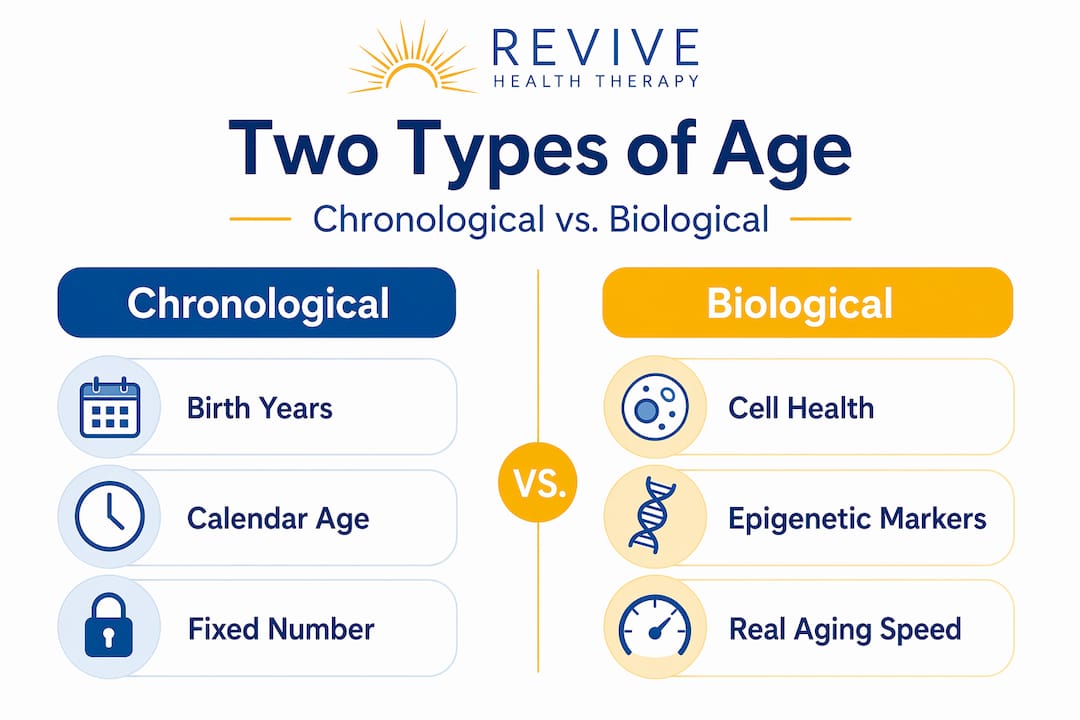
Your body has two ages: chronological (years since birth) and biological (how old your cells actually behave). Epigenetic clocks like DunedinPACE measure biological age by analyzing chemical marks on your DNA, and they can reveal that two people born the same year are aging at very different rates. This is not abstract. It means your daily habits are literally writing themselves into your biology.
Two mechanisms sit at the center of accelerated aging: cellular senescence and chronic inflammation. Senescent cells are sometimes called “zombie cells.” They stop dividing but refuse to die, instead releasing inflammatory signals that damage surrounding tissue. Research on macrophage senescence shows these zombie immune cells drive conditions like fatty liver disease and systemic inflammation linked to multiple age-related diseases. Animal studies using senolytic drugs to clear these cells have reversed some of that damage.
Mitochondrial decline is the third piece. Your mitochondria generate the energy that powers cellular repair, immune response, and metabolic function. As they become less efficient with age, everything downstream suffers. The encouraging reality is that exercise, sleep, and nutrition all directly support mitochondrial health.
Here is what this science tells you in practical terms:
- Your biological age is modifiable, not fixed
- Inflammation is both measurable and reducible through lifestyle
- Cellular repair happens primarily during sleep and rest
- Muscle tissue plays an active metabolic and hormonal role, not just a structural one
Pro Tip: Ask your doctor about inflammatory markers like hs-CRP and fasting insulin at your next checkup. These give you a working picture of how fast you are aging, and both respond to lifestyle changes within weeks.
Nutrition principles that support healthy aging
Food is your most consistent daily input into the aging process. What you eat affects inflammation, mitochondrial function, gut health, and cellular repair. The evidence is specific enough that vague advice about “eating clean” no longer cuts it.

The dietary patterns with the strongest links to longevity are the Mediterranean diet, the MIND diet, and the DASH diet. These whole-food-focused patterns reduce both neurodegenerative and cardiovascular disease risks, the two leading drivers of lost healthspan. They share core features: high vegetable and legume intake, olive oil over processed fats, fish over red meat, and minimal ultra-processed foods.
| Diet | Primary focus | Key longevity benefit |
|---|---|---|
| Mediterranean | Whole foods, olive oil, fish | Cardiovascular and metabolic health |
| MIND | Brain-protective foods (greens, berries, nuts) | Reduced dementia and cognitive decline risk |
| DASH | Low sodium, high potassium foods | Blood pressure control and heart health |
Protein deserves special attention as you age. Muscle loss accelerates after 50, and protein is the direct input for rebuilding it. High protein intake at 0.8 to 1.0 grams per kilogram of body weight per day (roughly 18% of total calories) is linked to measurably lower risk of falls, functional disability, and mortality in older adults. Most people over 50 eat significantly less than this.
A few nutrition principles that the evidence consistently supports:
- Prioritize fiber from whole grains, legumes, and vegetables to feed gut bacteria that regulate inflammation
- Eat colorful produce daily for antioxidants that neutralize oxidative stress at the cellular level
- Limit ultra-processed foods, which drive insulin resistance and systemic inflammation
- Stay adequately hydrated, since dehydration impairs cognitive function and cellular repair
Pro Tip: Rather than tracking every macronutrient, shift one meal per day to a Mediterranean-style plate: a palm-sized portion of fish or legumes, half the plate in vegetables, and olive oil instead of butter. That one change, repeated consistently, compounds over months.
The supplement industry makes enormous claims with modest evidence. Vitamin D and omega-3 fatty acids have reasonable support for older adults who are deficient. Everything else requires skepticism. Whole food sources of nutrients outperform isolated supplements in nearly every major trial.
Exercise and movement for a longer healthspan
Movement is the closest thing to a proven life extension strategy that currently exists. The research is not ambiguous. Consistent moderate exercise preserves muscle mass, mobility, and cardiovascular health across decades, and sedentary behavior independently predicts shorter healthspan even in people who exercise occasionally.
Here is a practical framework for building movement into your routine:
- Strength train at least twice per week. Resistance exercise is the primary driver of muscle preservation. You do not need a gym. Bodyweight squats, lunges, push-ups, and resistance bands all qualify. The goal is progressive challenge, not perfection.
- Walk more than you think you need to. Daily walking, especially after meals, improves insulin sensitivity, supports cardiovascular function, and reduces inflammatory markers. Aim for at least 7,000 steps as a floor.
- Add flexibility and balance work. Yoga, tai chi, and simple stretching routines reduce fall risk and maintain joint mobility. Falls are one of the leading causes of lost independence in older adults.
- Break up sitting every 30 to 60 minutes. Prolonged sitting raises blood sugar, stiffens arteries, and accelerates metabolic decline. Standing, stretching, or a two-minute walk between tasks is enough to interrupt the damage.
- Treat exercise as non-negotiable, not optional. The people who age best tend to build movement into their identity, not their schedule. When you think of yourself as someone who moves daily, it stops being a decision you have to make.
Pro Tip: The single most sustainable exercise habit is one you actually enjoy. If you hate running, you will not run consistently. Pickleball, dancing, hiking, swimming, all produce meaningful longevity benefits. Pick the one you look forward to.
Mental health, stress, and social connection
This is the section most longevity articles underplay. Physical health gets most of the attention, but the evidence for mental health as a direct driver of biological aging is strong and growing.
Chronic stress is not just unpleasant. It is a physiological accelerant of aging. Sustained cortisol elevation raises inflammation, disrupts sleep, impairs immune function, and directly shortens telomeres, the protective caps on your DNA that shorten with age. Sleep quality and stress management critically influence insulin resistance, inflammation, and cellular repair. Adults generally need at least 7 hours of sleep per night, and chronic short sleep is independently associated with accelerated biological aging.
Social connection is arguably the most underrated longevity lever. Strong social ties consistently rank as the number one factor in longitudinal studies predicting both longer life and greater happiness. Loneliness, by contrast, produces inflammatory responses comparable to smoking. This is not soft science. It is cellular.
Evidence-based daily practices that support this dimension of longevity include:
- Mindfulness and meditation. Even 10 minutes of daily mindfulness reduces cortisol and improves emotional regulation. A mindfulness practice for anxiety does not require special equipment or training.
- Digital disconnection periods. Scheduled breaks from screens reduce low-grade cognitive stress and improve sleep quality.
- Proactive relationship investment. Scheduling regular time with people who matter, not waiting for it to happen organically, is one of the most practical ways to live longer.
- Professional mental health support. Anxiety and depression are not just uncomfortable. They are biological stressors that shorten healthspan. Evidence-based therapies like CBT and EMDR have well-documented effects on stress physiology. Revivehealththerapy offers proven anxiety management through both in-person and telehealth sessions.
Managing how you respond emotionally to daily life is not a luxury. It is one of the most cost-effective ways to improve your lifespan.
Building sustainable longevity habits daily
Knowing the science is one thing. Living it is another. Healthy aging is a lifelong process that starts well before old age, and the habits you build now determine your trajectory decades out.
The biggest mistake most people make is treating longevity as a project with a start and end date. It works as a set of defaults instead. Consider these practical steps for embedding longevity habits into your daily life:
- Anchor new habits to existing routines. Take your fish oil with breakfast. Do ten squats while your coffee brews. Reducing friction is more powerful than willpower.
- Track one metric at a time. Tracking everything at once creates overwhelm. Pick one: sleep duration, daily steps, or weekly servings of vegetables. Build from there.
- Accept imperfect consistency over perfect intention. A person who walks 5 days a week and occasionally eats pizza will outlive the person who follows an extreme protocol for 3 months and burns out.
- Revisit your social life as a health practice. Ask yourself quarterly whether your relationships are growing or shrinking. Loneliness tends to creep in quietly.
Low-cost lifestyle practices like stress management and adequate rest often deliver more longevity benefit than expensive supplements or emerging therapies. The compounding value of daily habits done consistently over years cannot be matched by any single intervention.
Pro Tip: Choose one habit from each pillar (nutrition, movement, stress, social) and practice it for 30 days before adding anything new. Depth of practice beats breadth of intention every time.
My take on longevity culture
I have worked with enough clients to notice a pattern that rarely gets discussed in longevity circles. Some people become so focused on optimizing their health that the optimization itself becomes a source of chronic stress. Tracking sleep scores obsessively, eliminating foods that bring social joy, skipping events to maintain routines. The irony is that this behavior likely accelerates the very aging they are trying to prevent.
In my experience, the people who age best are not the ones with the most rigorous protocols. They are the people who have found genuine meaning in their relationships, their work, and their daily rhythms. They move their bodies because it feels good. They eat well most of the time and enjoy meals without guilt. They sleep because they prioritize rest, not because an app told them their HRV score dropped.
I am not dismissing the science. The emerging field of senolytics and cell reprogramming is genuinely exciting. But those therapies are years away from clinical application for most people. What you can do right now, today, is sleep better, move more, eat real food, invest in your relationships, and address the mental health challenges you have been putting off.
That last one matters more than most people realize. Unmanaged anxiety and depression are not just quality of life issues. They are physiological stressors that shorten your healthspan in measurable ways. Getting support is not a sign of weakness. It is one of the most evidence-based things you can do for your longevity.
— Amy
How mental health support strengthens your longevity
The research connecting emotional well-being to physical health is no longer theoretical. It is direct, measurable, and clinically significant. If stress, anxiety, or depression are part of your daily experience, addressing them is one of the highest-return investments you can make in your long-term health.
At Revivehealththerapy, evidence-based psychotherapy is available across California through both in-person sessions in Walnut Creek and Oakland and secure telehealth appointments statewide. Using approaches like EMDR, CBT, and mindfulness-based therapy, the team works with individuals, couples, and teens navigating anxiety, depression, trauma, and emotional regulation challenges. If you are ready to understand why psychotherapy works and what it can do for your long-term well-being, or if you want to explore current psychotherapy options in California, Revivehealththerapy offers sliding-scale fees and accepts most insurance plans, including HSA/FSA, to make care genuinely accessible.
FAQ
What is the difference between lifespan and healthspan?
Lifespan refers to total years lived, while healthspan describes the years spent in good physical and cognitive health. Longevity science increasingly focuses on closing the gap between the two.
What are the most evidence-based ways to live longer?
Consistent exercise, high-quality nutrition (especially Mediterranean-style eating), adequate sleep, stress management, and strong social connections are the most research-supported longevity tips available today.
How does stress affect longevity?
Chronic stress elevates cortisol, increases systemic inflammation, shortens telomeres, and disrupts sleep, all of which accelerate biological aging and reduce healthspan.
Does protein intake really matter for healthy aging?
Yes. Research shows that protein intake of at least 0.8 to 1.0 grams per kilogram of body weight daily reduces fall risk, functional disability, and mortality in older adults, making it one of the most specific nutritional targets for healthy aging.
Can mental health treatment improve lifespan outcomes?
Evidence-based therapies that reduce chronic stress and anxiety directly improve inflammatory markers, sleep quality, and cardiovascular function, all of which are measurable contributors to longevity and healthspan.