
Managing anxiety can feel overwhelming, but you don’t have to face it alone. Millions of adults in California experience anxiety, and evidence-based therapies like CBT and EMDR offer real relief. These proven methods help you understand your thought patterns, process underlying trauma, and develop practical coping skills. This guide walks you through how to effectively manage anxiety using professional therapy combined with self-care strategies that work. You’ll discover actionable steps to take control of your mental health and build lasting resilience.
Table of Contents
- Understanding Anxiety And Preparing To Manage It
- Step-By-Step Guide To Managing Anxiety With Evidence-Based Therapies
- Common Challenges And How To Overcome Them When Managing Anxiety
- Measuring Progress And Expected Outcomes From Anxiety Management
- Explore Expert Psychotherapy Options In California
- Frequently Asked Questions
Key takeaways
| Point | Details |
|---|---|
| Evidence-based therapies work | Cognitive behavioral therapy and EMDR are scientifically validated methods that reduce anxiety symptoms effectively. |
| Professional support matters | Working with a qualified therapist specializing in anxiety treatment improves outcomes and provides personalized guidance. |
| Self-care complements therapy | Mindfulness, relaxation techniques, and lifestyle changes enhance the benefits of professional treatment. |
| Early action is crucial | Recognizing symptoms and seeking help promptly leads to faster improvement and better long-term management. |
| Progress takes time | Realistic expectations and consistent effort over weeks to months produce meaningful anxiety reduction. |
Understanding anxiety and preparing to manage it
Anxiety shows up differently for everyone, but common symptoms include persistent worry, racing thoughts, physical tension, sleep disturbances, and avoidance behaviors. These symptoms can disrupt your work, relationships, and daily activities, making it hard to enjoy life fully. Recognizing these signs early gives you a crucial advantage in addressing anxiety before it becomes more severe.
Preparing to manage anxiety starts with acknowledging that you need support and understanding what options exist. CBT and EMDR are evidence-based therapies effective for anxiety management, offering structured approaches that address both thoughts and trauma. Mental preparation involves accepting that therapy requires commitment and that improvement happens gradually, not overnight.
Before starting treatment, consider these prerequisites for success. You need awareness of your anxiety patterns, willingness to engage actively in therapy, and openness to trying new coping strategies. Understanding that types of therapy for anxiety and how they can help varies allows you to make informed decisions about your care. Setting realistic goals and creating a supportive environment at home also contribute to better outcomes.
Common anxiety symptoms to watch for include:
- Excessive worry about everyday situations that feels difficult to control
- Physical symptoms like rapid heartbeat, sweating, trembling, or shortness of breath
- Restlessness, fatigue, or difficulty concentrating on tasks
- Irritability and muscle tension that persists throughout the day
- Sleep problems including trouble falling asleep or staying asleep
- Avoidance of situations that trigger anxious feelings
Recognizing these patterns helps you communicate effectively with a therapist and track changes over time. Self-awareness becomes a powerful tool in your anxiety management journey, allowing you to identify triggers and notice when symptoms intensify.
Step-by-step guide to managing anxiety with evidence-based therapies
Taking concrete steps toward anxiety management transforms abstract concerns into achievable progress. Follow these proven steps to build a solid foundation for recovery and lasting symptom relief.
-
Recognize your anxiety symptoms and commit to seeking help. Acknowledge that what you’re experiencing is real and treatable. Write down specific symptoms and situations that trigger anxiety to share with a potential therapist. This initial step of validation and commitment sets the stage for meaningful change.
-
Find a licensed therapist specializing in CBT or EMDR in California. Research therapists who have specific training and experience treating anxiety disorders. CBT can restructure negative thinking patterns to reduce anxiety, while EMDR helps process trauma-related anxiety effectively. Check credentials, read reviews, and schedule initial consultations to find the right fit for your needs.
-
Engage consistently with therapy sessions and complete homework exercises. Attend all scheduled appointments and actively participate in discussions. Your therapist will assign between-session work like thought records, exposure exercises, or relaxation practice. These assignments reinforce what you learn in therapy and accelerate your progress toward managing anxiety.
-
Incorporate self-help practices like mindfulness and relaxation techniques to complement therapy. Daily mindfulness meditation, deep breathing exercises, and progressive muscle relaxation reduce baseline anxiety levels. Physical activity, adequate sleep, and balanced nutrition also support your mental health. These practices work synergistically with professional treatment to enhance overall wellbeing.
-
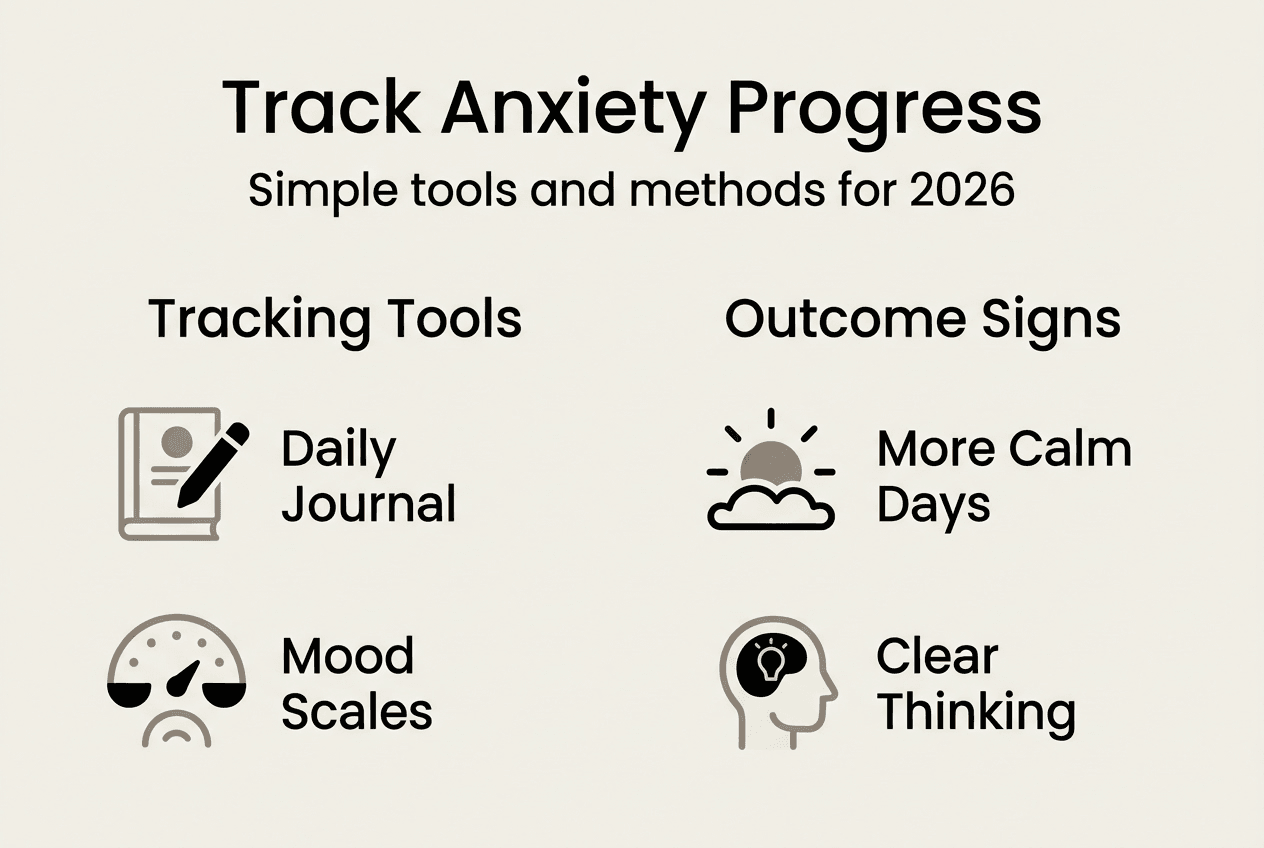
Monitor progress and communicate with your therapist to adjust approaches. Keep track of symptom frequency, intensity, and duration using a journal or app. Share this information during sessions so your therapist can modify techniques as needed. Open communication ensures your treatment stays responsive to your evolving needs and maximizes effectiveness.
Pro Tip: Prepare a journal to track anxiety triggers and progress between sessions. Note the situation, your thoughts, physical sensations, and how you responded. This detailed record helps you and your therapist identify patterns and measure improvement over time, making your treatment more targeted and effective.

Common challenges and how to overcome them when managing anxiety
Even with the best intentions, obstacles can derail your anxiety management efforts. Understanding common challenges prepares you to navigate them successfully and maintain momentum toward recovery.
Therapy hesitancy often stems from stigma, fear of vulnerability, or concerns about cost and time commitment. Many people worry about being judged or believe they should handle anxiety alone. Irregular attendance disrupts the therapeutic process and slows progress, while symptom flare-ups can feel discouraging. These challenges are normal and surmountable with the right strategies and support.
Avoid these common pitfalls:
- Stopping therapy too soon when you start feeling better, which often leads to symptom relapse
- Ignoring anxiety triggers instead of learning to manage them effectively
- Neglecting self-care practices like sleep, exercise, and social connection
- Keeping struggles to yourself rather than discussing them with your therapist
- Expecting instant results and becoming discouraged by gradual progress
Overcoming these hurdles requires proactive effort and self-compassion. Build a support network of friends, family, or support groups who understand your journey. Set phone reminders for therapy appointments and daily self-care activities to maintain consistency. Practice stress reduction techniques every day, not just when anxiety peaks. These habits create a sustainable foundation for long-term mental health.
Pro Tip: Communicate openly with your therapist about difficulties to tailor your treatment. If certain techniques feel uncomfortable or ineffective, speak up. Therapy works best when it’s collaborative and adapted to your unique needs, preferences, and circumstances.
Early intervention and persistence improve anxiety management success. The sooner you start treatment and the more consistently you engage, the better your outcomes. Don’t wait for anxiety to become unbearable before seeking help.
Exploring mental health self-care ideas anxiety depression provides additional tools to supplement professional treatment. Self-care isn’t selfish; it’s essential maintenance for your mental health that supports the work you do in therapy.
Measuring progress and expected outcomes from anxiety management
Tracking your improvement helps you stay motivated and provides valuable feedback about what’s working. Knowing how to measure progress and what results to expect keeps you grounded in realistic optimism.
Several tools help you monitor anxiety levels and symptom frequency. Keeping a daily journal where you rate anxiety intensity on a scale of 1 to 10 creates a clear record of trends. Mobile apps designed for anxiety tracking offer reminders and visualizations of your data. Your therapist will also use standardized assessments at regular intervals to measure clinical improvement objectively.
| Therapy Type | Typical Timeline | Common Improvements | Maintenance Needs |
|---|---|---|---|
| CBT | 12-16 weeks | Reduced negative thinking, better coping skills, fewer panic episodes | Ongoing practice of techniques, periodic booster sessions |
| EMDR | 6-12 sessions | Decreased trauma responses, lower anxiety around triggers, improved emotional regulation | Processing new triggers as they arise, self-soothing techniques |
Therapy leads to significant reductions in anxiety symptoms for most adults who engage consistently. Research shows that 60 to 80 percent of people experience meaningful improvement with evidence-based treatments.
Signs of positive progress include:
- Improved sleep quality and ability to fall asleep without excessive worry
- Fewer panic episodes or reduced intensity when they occur
- Enhanced daily functioning at work, home, and in social situations
- Greater ability to identify and challenge anxious thoughts before they escalate
- Increased confidence in handling stressful situations
Discuss progress with your therapist every few sessions to assess whether your treatment plan needs adjustment. If certain symptoms persist or new concerns emerge, your therapist can modify techniques or explore different approaches. Why seek psychotherapy california becomes clear when you see measurable improvements in your quality of life.
Set realistic expectations that some improvement may take weeks to months. Anxiety didn’t develop overnight, and sustainable recovery requires time and consistent effort. Small gains accumulate into significant change, so celebrate incremental progress rather than waiting for complete symptom elimination.
Explore expert psychotherapy options in California
Taking the step from learning about anxiety management to actually getting help can transform your life. California offers numerous licensed psychotherapists who specialize in treating anxiety with the evidence-based methods discussed in this guide.
Professional therapy provides personalized support tailored to your specific symptoms, triggers, and goals. Working with a therapist trained in CBT and EMDR gives you access to proven techniques that have helped millions of people reduce anxiety and reclaim their lives. You don’t have to navigate this journey alone or figure everything out through trial and error.
Revive Health Therapy connects California adults with experienced therapists who understand anxiety deeply and offer compassionate, effective care. Whether you prefer in-person sessions or the convenience of telehealth, psychotherapy california 2026 evidence options make getting help more accessible than ever. Sliding-scale fees and insurance acceptance ensure cost doesn’t stand between you and the support you deserve. Ready to take the next step? Contact us today to explore how professional psychotherapy can help you manage anxiety effectively.
Frequently asked questions
What is cognitive behavioral therapy (CBT) and how does it help anxiety?
CBT helps identify and change negative thought patterns that fuel anxiety, replacing them with more realistic and helpful perspectives. It’s a structured, goal-oriented therapy widely supported by decades of research showing significant symptom reduction. Through CBT, you learn practical skills to challenge anxious thoughts and change behaviors that maintain anxiety. Why seek therapy for anxiety california becomes evident when you experience how these techniques provide lasting relief.
Can I manage anxiety on my own or do I need professional help?
Self-care strategies like exercise, mindfulness, and stress management can reduce mild anxiety symptoms and support overall mental health. However, moderate to severe anxiety typically requires professional therapy for effective treatment and lasting improvement. Combining self-help practices with professional guidance offers the best outcomes, as therapists provide expertise, accountability, and personalized strategies. Explore mental health self care ideas anxiety depression to complement your professional treatment plan.
How do I find a qualified therapist for anxiety in California?
Look for licensed therapists with specific training and experience in anxiety treatments like CBT and EMDR. Check their credentials, areas of specialization, and client reviews to ensure they’re a good fit for your needs. Using resources like how to find a therapist accessible trauma care simplifies the search process. Revive Health Therapy offers accessible options throughout California with both in-person and telehealth services.
How long does it take to see results from anxiety therapy?
Most people notice some improvement within 4 to 6 weeks of consistent therapy, though significant change typically requires 12 to 16 weeks or more. The timeline varies based on anxiety severity, therapy type, and how actively you engage in treatment. CBT often shows results within a few months, while EMDR may work more quickly for trauma-related anxiety. Patience and persistence are essential, as sustainable improvement develops gradually.
Is EMDR only for trauma or can it help with general anxiety?
EMDR was originally developed for trauma but has proven effective for various anxiety disorders beyond PTSD. It helps process distressing memories and experiences that contribute to ongoing anxiety, even when you don’t identify a specific trauma. Many people with generalized anxiety, phobias, or panic disorder benefit from EMDR’s unique approach to reprocessing anxious responses. Your therapist can determine if EMDR is appropriate for your specific anxiety presentation.
Recommended
- Role of psychotherapy in mental health: proven benefits 2026 – Revive Health Therapy
- Psychotherapy in California 2026: Evidence & Options – Revive Health Therapy
- 7 Essential Mental Health Tips 2026 for Californians – ReviveHealthTherapy
- Why Use Psychotherapy for Anxiety: Real Solutions – ReviveHealthTherapy
- Blog – Medical Interview Tips & Guides | Deepmock
One Response