
TL;DR:
- Peptide care involves targeted amino acid therapies that support skin health, recovery, and anti-aging when used safely. While topical peptides show moderate evidence of effectiveness, injectable and oral peptides pose significant risks without proper medical supervision or regulation. Consulting licensed healthcare providers and choosing stable, proven formulations are essential for safe, effective peptide use.
Peptide care is the use of targeted amino acid chains to support skin health, muscle recovery, and anti-aging through topical products, supplements, and injectable therapies. You have probably seen peptide serums lining pharmacy shelves or heard about peptide injections from fitness communities. The science behind these products is real, but so are the risks. This guide draws on guidance from UPMC HealthBeat, the American Medical Association, and Healthline to give you a clear, honest picture of what peptide care can and cannot do, and how to use it safely.
What are peptides and how do they benefit skin health?
Peptides are short chains of amino acids, the same building blocks that make up proteins like collagen and elastin. When applied topically, they act as chemical messengers that signal collagen production and prompt the skin to repair and firm itself. This is why peptide skincare has become one of the most discussed categories in dermatology over the past decade.
The most common delivery format is a peptide serum for skin, applied after cleansing and before moisturizer. Serums carry a higher concentration of active ingredients and penetrate more effectively than creams alone. That said, not all peptide products are created equal. Formulation factors like encapsulation and liposomal delivery systems are what actually determine whether peptides reach the deeper skin layers where collagen synthesis happens. A product that simply lists peptides in its ingredient deck without a stable delivery system may do very little.
Healthline identifies several peptide types worth knowing:
- Signal peptides (such as Matrixyl/palmitoyl pentapeptide-4): stimulate collagen and elastin production
- Carrier peptides (such as copper peptides): deliver trace minerals that support wound healing
- Neurotransmitter-inhibiting peptides (such as Argireline): relax facial muscles to reduce expression lines
- Enzyme-inhibiting peptides: slow the breakdown of existing collagen
Pricing for quality peptide serums typically ranges from $30 to over $150, depending on peptide concentration and brand. The higher price does not always mean better results. What matters more is whether the formulation is stable and whether the peptide type matches your skin concern.
Pro Tip: When comparing peptide creams for anti-aging, look for products that list a specific peptide name (like palmitoyl tripeptide-1) rather than just “peptide complex.” Named peptides signal that the brand has invested in a specific, studied ingredient rather than a marketing term.
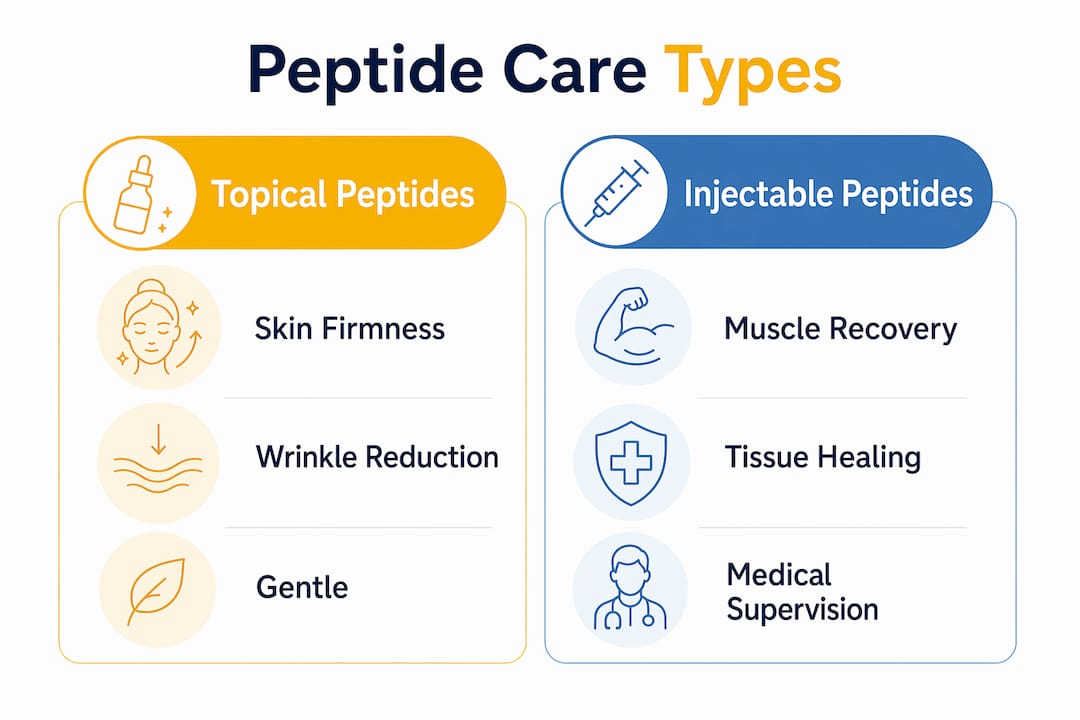
Compared to retinoids, anti-aging peptides are gentler and cause less irritation, making them suitable for sensitive skin. Compared to hyaluronic acid, which primarily hydrates, peptides work structurally to rebuild the skin matrix. Many dermatologists recommend using both together for complementary effects. According to Healthline’s peptide skincare guidance, matching the peptide type to your specific skin concern, whether that is firmness, hydration, or wrinkle depth, is the most important factor in seeing results.
How to use peptide therapies safely for fitness recovery
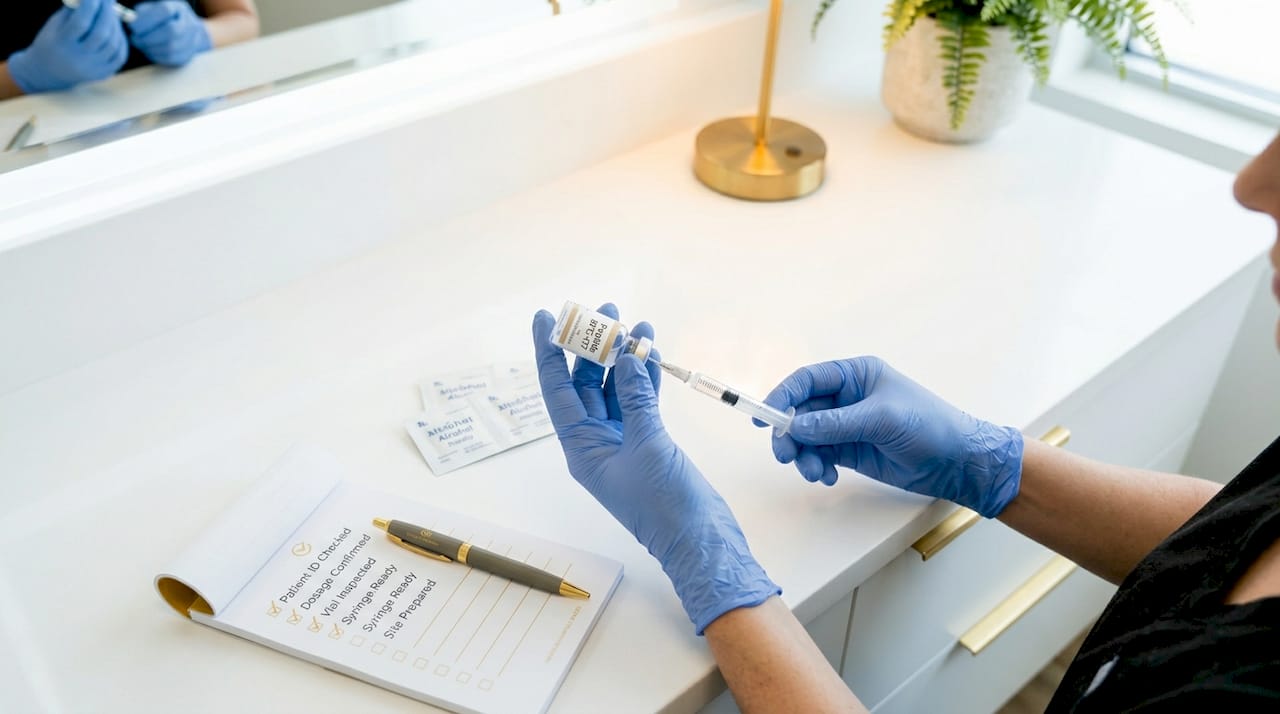
Injectable and oral peptides for fitness recovery operate on an entirely different level than topical skincare. Peptides like BPC-157 have gained significant attention in athletic communities for their claimed ability to accelerate tissue repair and reduce inflammation. The problem is that 35 out of 36 BPC-157 studies were conducted in animals, not humans. That gap between animal research and human evidence is enormous, and it matters for your safety.
The American Medical Association reports that injectable peptides carry risks including nausea, gastrointestinal upset, and pancreatitis. These are not rare edge cases. They are documented side effects that physicians see in patients who self-administer without medical oversight. The AMA also notes that newer peptides have no standardized dosing guidelines, which means even well-intentioned users are essentially guessing at safe amounts.
Here is what safe peptide treatment for recovery actually looks like:
- Consult a licensed physician before starting any injectable peptide regimen, not a wellness influencer or online forum
- Use only pharmacy-compounded or FDA-approved products to reduce contamination risk
- Avoid gray-market peptide sources, which ECRI and ISMP have found to contain arsenic and lead at levels exceeding toxicity limits
- Track side effects systematically and report them to your provider immediately
- Understand that GLP-1 medications like semaglutide have far clearer safety profiles than most wellness peptides because they have undergone rigorous human trials
Pro Tip: If a provider cannot tell you the exact source pharmacy and batch testing results for an injectable peptide, that is a red flag. Legitimate providers using physician-guided peptide selection will always have this documentation available.
Self-administration is where most harm occurs. Injection technique errors, incorrect reconstitution of lyophilized peptides, and improper storage all create serious risks beyond the peptide itself. If you are considering peptide therapy for recovery, the conversation starts with your doctor, not a product website.
How to build a peptide care routine step by step
Building a practical peptide-based skincare routine does not require a pharmacy degree. It requires choosing the right products for your goal, applying them in the correct order, and being consistent. Here is a straightforward approach:
- Cleanse with a gentle, pH-balanced cleanser to remove surface debris without stripping the skin barrier
- Apply your peptide serum to slightly damp skin while pores are open and absorption is highest
- Layer a moisturizer over the serum to lock in the peptides and prevent transepidermal water loss
- Apply SPF 30 or higher every morning, since peptides rebuilding collagen are wasted if UV damage breaks it down simultaneously
- At night, consider pairing a peptide serum with a niacinamide moisturizer rather than retinol, since some peptides deactivate when combined with strong acids or retinoids
For injectable or oral peptide treatment, the process is more structured. Physician consultation comes first, followed by lab work to establish a baseline. Dosing is then calibrated to your body weight, health status, and specific goal. Follow-up appointments every four to six weeks allow your provider to adjust the protocol based on your response.
The table below compares the main approaches to peptide care across key decision factors:
| Approach | Best for | Evidence level | Requires medical supervision? |
|---|---|---|---|
| Topical peptide serum | Skin firmness, wrinkles, hydration | Moderate (human studies exist) | No, but dermatologist input helps |
| Oral collagen peptides | Skin elasticity, joint support | Moderate (some human trials) | No |
| Injectable wellness peptides | Recovery, muscle preservation | Low (mostly animal studies) | Yes, strongly recommended |
| FDA-approved GLP-1 peptides | Metabolic health, weight management | High (extensive human trials) | Yes, required |
Reading labels correctly is the single most underrated skill in peptide skincare. Look for peptides listed in the top half of the ingredient list, which indicates meaningful concentration. Products that bury peptides near the bottom are using them as marketing decoration. The skin health essentials guide from Revivehealththerapy offers a practical framework for evaluating ingredient lists across multiple product categories.
Common mistakes and safety risks in peptide care
The most frequent mistake people make with peptide care is assuming that over-the-counter products carry the same level of safety testing as prescription drugs. The FDA has not approved peptide therapy for skin, and marketed peptide products are classified as supplements or cosmetics, not drugs. That classification means no mandatory human efficacy testing before a product reaches your bathroom shelf.
The risks escalate sharply with injectable peptides. ECRI and ISMP have documented contamination in gray-market peptides including heavy metals at levels that exceed established toxicity thresholds. This is not a theoretical concern. It is a documented finding from two of the most respected patient safety organizations in the country.
Common mistakes to avoid:
- Purchasing peptides from unverified online vendors without third-party testing certificates
- Combining multiple peptide products without understanding ingredient interactions
- Skipping patch tests before applying a new peptide serum, especially on sensitive or reactive skin
- Assuming “natural” or “bioidentical” labeling means safe or effective
- Ignoring early side effects like redness, swelling at injection sites, or persistent nausea
“Patients using wellness peptides have no reliable information about whether they are safe or effective.” — ECRI and ISMP, May 2026
Injection-related risks deserve special attention. Dosage errors in injectable peptides are a serious and documented pitfall, requiring both provider oversight and patient vigilance throughout the treatment period. Baton Rouge General also notes that injection technique errors and product authenticity issues are among the most common sources of harm when users self-administer. The solution is not to avoid peptides entirely. It is to use them through licensed providers who source from regulated pharmacies and monitor your response over time. For Californians curious about the broader regulatory picture, the peptides for mental health overview from Revivehealththerapy covers FDA status and safety gaps in detail.
Key takeaways
Peptide care delivers real benefits for skin and recovery when you match the right peptide type to your goal, use stable formulations, and get medical oversight for anything injectable.
| Point | Details |
|---|---|
| Match peptide to goal | Signal peptides build collagen; carrier peptides aid healing; choose based on your specific concern. |
| Formulation determines results | Encapsulated or liposomal delivery systems make topical peptides far more effective than basic creams. |
| Injectable peptides need supervision | Most wellness peptides lack human safety data; always use a licensed provider and pharmacy-sourced products. |
| Gray-market products are dangerous | ECRI and ISMP found heavy metal contamination in unregulated peptide products exceeding toxicity limits. |
| FDA-approved options are safer | GLP-1 medications and other approved peptides have documented safety profiles that wellness peptides currently lack. |
Why I think the peptide conversation needs more honesty
I have watched the peptide market explode over the past few years, and my honest reaction is a mix of genuine excitement and real concern. The biology is fascinating. Short amino acid chains that tell your skin to rebuild itself, or that accelerate tissue repair after injury, represent a genuinely promising frontier in health and wellness.
But the gap between what the science actually shows and what product marketing claims is wide enough to cause real harm. When I see someone spending $200 a month on a gray-market injectable peptide based on a single animal study, I do not see a health-conscious consumer. I see someone who has been failed by the information available to them.
The most grounded approach I have seen is this: use topical peptide serums freely, because the risk profile is low and the evidence for skin benefits is reasonable. Treat injectable wellness peptides with the same caution you would give any experimental therapy, because that is essentially what they are. And if you are drawn to peptide therapies for deeper health goals, including metabolic health or recovery, start with the options that have the most human evidence behind them, like GLP-1 medications, and work with a physician who will monitor your response.
Peptides are not a shortcut. They are a tool. Like any tool, they work best when you understand what they are actually designed to do.
— Amy
Ready to explore evidence-based wellness support?
If you are weighing peptide therapies as part of a broader health strategy, professional guidance makes the difference between results and risk. Revivehealththerapy works with Californians navigating complex wellness decisions, including the intersection of physical health, mental well-being, and evidence-based care.

Whether you are considering peptide skincare, injectable therapies, or simply want to understand what the evidence actually supports, connecting with a knowledgeable provider is the right first step. Revivehealththerapy offers both in-person sessions in Walnut Creek and Oakland and secure telehealth across California. Explore evidence-based therapeutic options or learn more about why professional guidance matters for your long-term wellness goals.
FAQ
Are peptides in skincare actually effective?
Topical peptides have moderate human evidence supporting their ability to improve skin firmness, reduce wrinkle depth, and boost hydration, particularly when delivered through stable formulations like liposomes. Results depend heavily on the specific peptide type and product quality.
What is the safest way to start peptide care?
Start with a topical peptide serum matched to your skin concern, applied after cleansing and before moisturizer. For any injectable peptide treatment, consult a licensed physician first and use only pharmacy-sourced products.
Are injectable wellness peptides FDA-approved?
Most injectable wellness peptides, including BPC-157, are not FDA-approved and lack standardized dosing or long-term human safety data. FDA-approved peptide medications like GLP-1s are the exception, not the rule.
Can peptides cause side effects?
Yes. The AMA documents side effects from injectable peptides including nausea, gastrointestinal upset, and pancreatitis. Topical peptides occasionally cause skin irritation or allergic reactions, particularly in sensitive skin types.
How do I know if a peptide product is safe to buy?
Choose topical products from established brands that name specific peptides in their ingredient lists. For injectables, only use products sourced from licensed compounding pharmacies, and ask your provider for batch testing documentation before starting any regimen.