
TL;DR:
- Eco-therapy uses nature as an active co-therapist to improve mental health through structured, goal-oriented sessions. Spending at least 120 minutes weekly in natural settings yields measurable emotional and physical benefits, especially when guided by trained practitioners.
Eco-therapy is defined as a clinically guided approach that uses intentional engagement with nature to improve mental and emotional health. Also called ecotherapy or nature-based therapy, it sits within the broader field of ecopsychology, which studies the relationship between human well-being and the natural world. Unlike a casual walk in the park, eco-therapy is a structured practice with clear psychological goals, delivered by trained practitioners who use the natural environment as an active part of the therapeutic process. Research consistently links nature exposure to measurable health gains, making this one of the most evidence-supported alternatives to traditional office-based therapy available today.
How does eco-therapy work to improve mental health?
Eco-therapy works by placing nature in the role of co-therapist. The natural environment is not simply a backdrop. Practitioners use ecological cycles, such as decay and renewal, as therapeutic metaphors that help clients process grief, change, and growth. A client working through loss might observe a forest floor where fallen leaves become new soil. That image carries emotional weight that a blank office wall cannot.
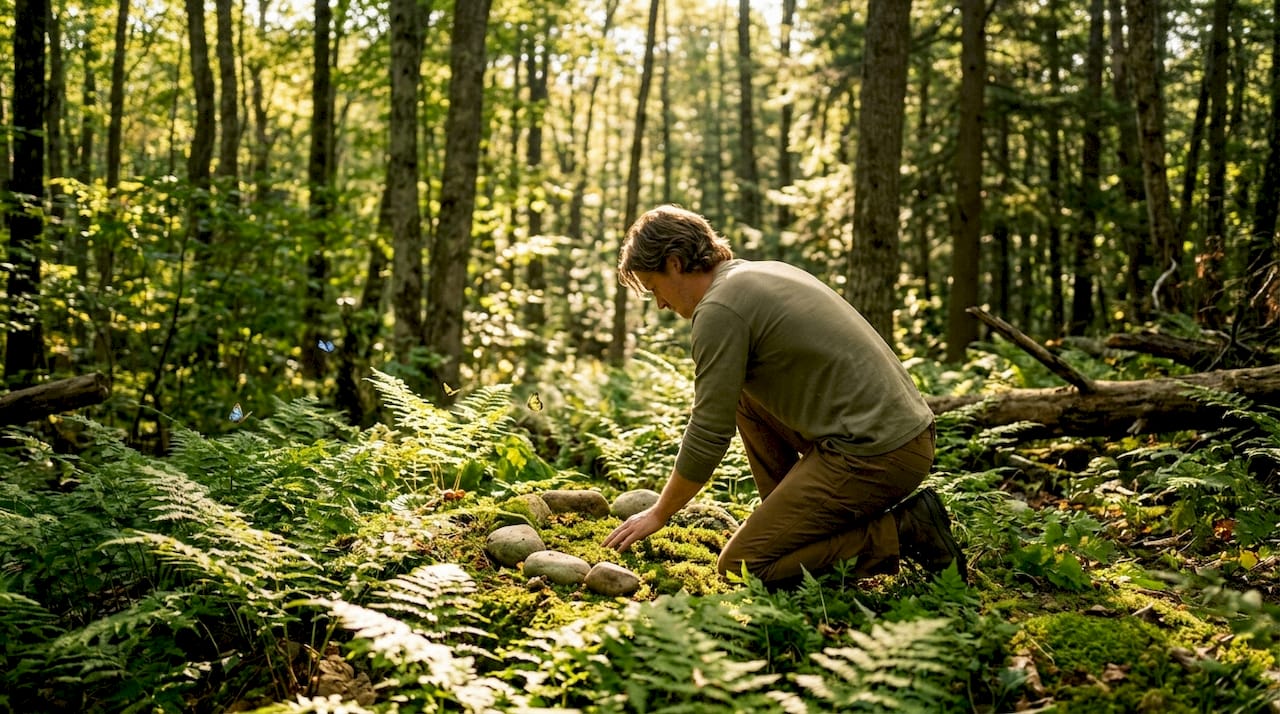
Two psychological theories explain the core mechanism. Attention Restoration Theory holds that natural environments replenish directed attention, the kind of focused mental effort that becomes depleted by stress and screen time. Stress Reduction Theory proposes that nature triggers a physiological relaxation response, lowering cortisol and blood pressure within minutes of exposure. Nature reduces stress hormones with measurable mood improvements detectable after just 3–4 minutes of contact with a green environment. That speed of effect is faster than most pharmacological interventions.
Sensory engagement is central to how sessions are structured. A practitioner might guide a client to notice the texture of bark, the sound of moving water, or the smell of rain on soil. This grounding in sensory detail activates mindfulness without requiring the client to sit still in a chair. The unpredictability of natural settings also creates real-time therapeutic opportunities. A sudden gust of wind, an unexpected bird call, or a change in weather can surface emotional responses that a controlled indoor setting never would. Skilled ecotherapists use these moments for emotional regulation work that is impossible to replicate indoors.
Session structure varies, but duration matters. Forest therapy sessions longer than 60 minutes show significantly greater reductions in negative emotions and improvements in vitality compared to shorter sessions. This means a 30-minute nature walk, while pleasant, does not deliver the same clinical benefit as a guided hour-long session with a trained practitioner.
What are the main benefits of eco-therapy?
The benefits of eco-therapy span mental, emotional, and physical health. Studies confirm that nature-based interventions reduce psychiatric symptoms across a range of conditions, including anxiety, depression, and trauma-related disorders. The effect is not subtle. Clients report lower stress, improved mood, greater calm, and a stronger sense of belonging after consistent eco-therapy engagement.
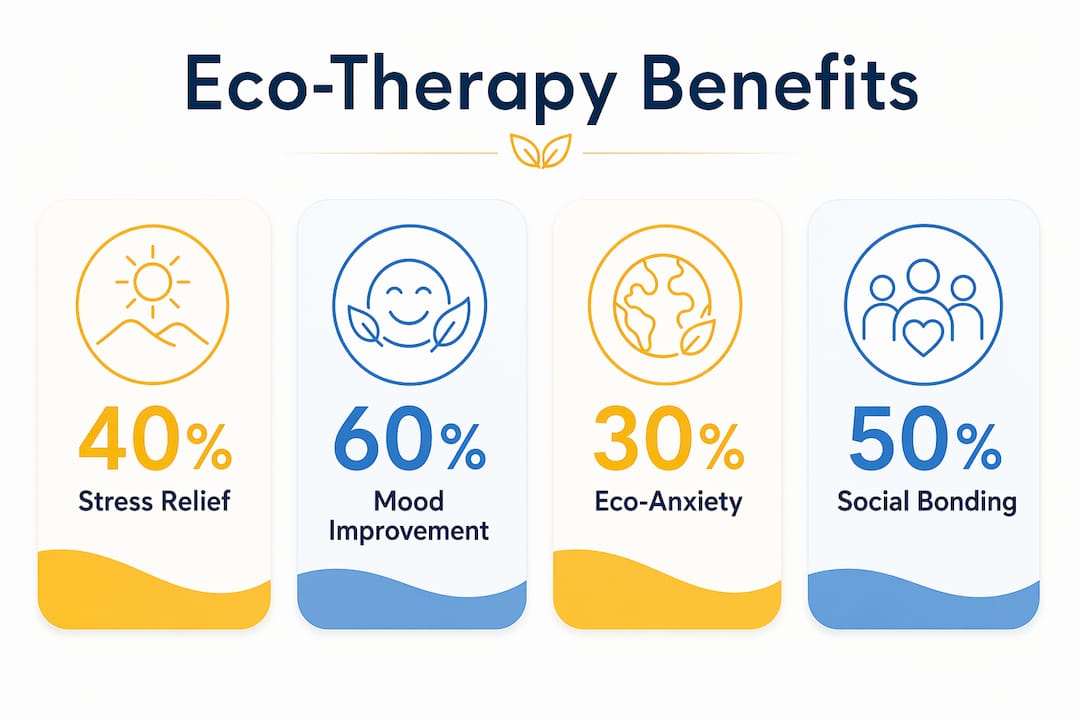
One underappreciated benefit is the impact on eco-anxiety, the psychological distress caused by climate change and environmental loss. Eco-therapy addresses climate-related anxiety by expanding the therapeutic lens to include the natural environment, giving clients a framework for processing feelings that traditional office therapy often misses entirely. Practices like planting trees or picking up litter also build a reciprocal relationship with nature, which eases eco-anxiety by replacing helplessness with agency.
Group eco-therapy adds a social dimension that individual therapy cannot replicate. Shared outdoor experiences build community, reduce isolation, and create a sense of collective purpose. For people dealing with depression, that social connection can be as therapeutic as the nature exposure itself.
| Benefit | How it compares to traditional therapy |
|---|---|
| Stress and cortisol reduction | Faster physiological response than office-based sessions |
| Mood improvement | Sensory engagement adds a layer absent from talk therapy |
| Anxiety and depression relief | Consistent with CBT outcomes; adds embodied experience |
| Eco-anxiety mitigation | Addresses climate grief that traditional therapy often overlooks |
| Social connection | Group formats build community in ways individual therapy cannot |
Pro Tip: Aim for at least 120 minutes of intentional nature time per week. Research identifies this threshold as the point where health and life satisfaction benefits become measurable and consistent.
What eco-therapy techniques and activities are commonly used?
Eco-therapy is not one single method. It is a family of nature-based practices, each with a different focus and clinical application. The most widely used techniques include:
- Forest bathing (Shinrin-yoku): Slow, mindful immersion in a forest environment. The goal is sensory awareness, not exercise. Practitioners guide clients to notice light, sound, and smell without agenda.
- Horticultural therapy: Working with plants, soil, and gardens as a therapeutic medium. Studies confirm improvements in mood, calmness, and emotional well-being from this practice.
- Animal-assisted therapy: Structured interaction with animals, often horses or dogs, to build trust, emotional regulation, and connection.
- Mindfulness in nature: Guided meditation and breathing practices conducted outdoors, using natural sounds and sensations as anchors for present-moment awareness.
- Nature meditation and visualization: Using natural settings or imagery of nature to access deeper states of relaxation and emotional processing.
- Ecological education: Learning about local ecosystems to build ecological consciousness and a sense of belonging to something larger than oneself.
The critical distinction between these activities and casual outdoor recreation is clinical intention. A therapist using forest bathing therapeutically sets goals, tracks emotional responses, and uses the environment as a metaphor for the client’s inner life. Someone hiking alone for fun is not receiving eco-therapy, even if they feel better afterward.
Safety is a non-negotiable part of every session. Experienced practitioners always prepare fallback plans for adverse weather, unsafe terrain, or accessibility challenges. Safety planning in ecotherapy includes identifying indoor alternatives so that therapeutic continuity is never broken by a rainstorm or a muddy trail.
Pro Tip: If you are new to nature-based practices, start with 15 minutes daily in any green space. Work toward 20–30 minutes three times weekly for therapeutic effects, as recommended by practitioners familiar with nature dosing.
How to find and work with an eco-therapy practitioner?
Finding a qualified eco-therapy practitioner requires knowing what credentials to look for. The field is still developing standardized certification pathways, so training backgrounds vary. Look for practitioners who hold a licensed mental health credential, such as Licensed Clinical Social Worker (LCSW), Licensed Professional Counselor (LPC), or Licensed Marriage and Family Therapist (LMFT), and who have completed additional training in nature-based or ecopsychology approaches.
Practical steps for finding a practitioner include:
- Search directories from organizations like the International Community for Ecopsychology or the Association for Experiential Education for practitioners who list nature-based therapy as a specialty.
- Ask a current therapist for a referral to someone with eco-therapy training.
- Contact local wilderness therapy programs, botanical gardens with therapeutic programs, or community mental health centers that offer outdoor groups.
- Review a practitioner’s website for specific mention of ecotherapy, forest therapy, or nature-based interventions, not just general “outdoor wellness.”
- Ask directly about their training, supervision, and how they handle safety and accessibility in outdoor sessions.
What to expect in a first session: the practitioner will assess your goals, discuss any physical limitations, and explain how outdoor sessions will be structured. Sessions typically begin with a brief check-in, move into a guided outdoor activity, and close with reflection. The combination of eco-therapy with other evidence-based therapy approaches like CBT or EMDR is common and often more effective than either approach alone.
Accessibility matters. Not every person can hike a trail. Good practitioners adapt sessions for urban parks, rooftop gardens, or even window-side nature observation for clients with mobility limitations. The environment does not need to be wilderness to be therapeutic.
Key takeaways
Eco-therapy is a clinically structured, nature-based approach that delivers measurable mental health benefits when guided by a trained practitioner and practiced with consistent frequency.
| Point | Details |
|---|---|
| Clinical definition | Eco-therapy uses nature as an active co-therapist, not just a pleasant backdrop. |
| Optimal dosing | At least 120 minutes per week in nature correlates with measurable health improvements. |
| Session duration | Sessions longer than 60 minutes produce significantly greater mood and vitality benefits. |
| Range of techniques | Forest bathing, horticultural therapy, and animal-assisted therapy all show consistent positive outcomes. |
| Finding practitioners | Look for licensed mental health professionals with specific nature-based or ecopsychology training. |
Why eco-therapy deserves more credit than it gets
I have watched clients arrive at outdoor sessions with visible skepticism. They expect something soft, unserious, maybe a little awkward. What they do not expect is to cry while watching a creek. That happens more often than you would think, and it is not random. Nature has a way of bypassing the defenses that a therapy office can actually reinforce. When you are sitting across from a therapist in a chair, part of your brain is still performing. Outside, that performance drops faster.
The criticism I hear most often is that eco-therapy is “just a walk.” That framing misses the point entirely. The clinical intention is what separates a therapeutic forest session from a Sunday stroll. A skilled practitioner is tracking your nervous system, reading your body language, and using a falling leaf or a dead tree as an entry point into something you have been avoiding for months. That is not casual. That is skilled clinical work in an unconventional setting.
The field does need more standardization. Nature-based interventions show consistent benefits, but the research is still catching up to the practice. That gap is closing. What I would tell anyone sitting on the fence: do not wait for a perfect evidence base before trying something that already has a strong one. The mindfulness and depression research alone supports the core mechanisms at work in eco-therapy. Nature is not a replacement for therapy. It is one of the most underused tools in the therapeutic toolkit.
— Amy
Eco-therapy and professional mental health support at Revivehealththerapy
Eco-therapy works best when it is part of a broader, personalized mental health plan. At Revivehealththerapy, the clinical team integrates nature-based approaches alongside proven methods like EMDR, CBT, and mindfulness to address anxiety, depression, trauma, and emotional regulation. Services are available in person at Walnut Creek and Oakland, and through secure telehealth across California.
If you are curious about whether nature-based therapy or another integrative approach fits your needs, exploring psychotherapy options is a strong first step. Revivehealththerapy offers sliding-scale fees and accepts insurance including HSA and FSA plans, making it easier to access care that matches both your goals and your budget. Reach out to schedule a consultation and find the right fit for where you are right now.
FAQ
What is eco-therapy in simple terms?
Eco-therapy is a structured, clinically guided form of therapy that uses intentional engagement with nature to improve mental and emotional health. It is distinct from casual outdoor activity because it involves clear psychological goals and a trained practitioner.
How does eco-therapy differ from just spending time outside?
The difference is clinical intention. Eco-therapy uses the natural environment as a therapeutic tool, with a licensed practitioner guiding the session toward specific emotional or psychological goals, rather than simply enjoying fresh air.
What mental health conditions does eco-therapy help with?
Research supports eco-therapy for anxiety, depression, trauma, and climate-related psychological distress. Practitioners also use it to address emotional regulation challenges and feelings of isolation.
How much nature exposure is needed to see mental health benefits?
Spending at least 120 minutes per week in natural settings correlates with measurable improvements in health and life satisfaction. Beginners can start with 15 minutes daily and build from there.
Is eco-therapy covered by insurance?
Coverage varies by provider and plan. Because eco-therapy is typically delivered by licensed mental health professionals, sessions may qualify for reimbursement under standard mental health benefits. Check directly with your insurer and confirm the practitioner’s licensure before booking.
Recommended
- Therapeutic modalities explained: 35% better outcomes in 2026 – ReviveHealthTherapy
- Child Therapy: Healing Emotional Wounds Early – ReviveHealthTherapy
- Role of Therapy in Trauma Recovery: Evidence and Impact – ReviveHealthTherapy
- Why seek holistic therapy? Your guide to whole-person healing – Revive Health Therapy