
Psychotherapy transforms lives across California, yet many still question whether it truly works. The answer is clear: Cognitive Behavioral Therapy demonstrates large effect sizes in treating anxiety, depression, and trauma, with benefits lasting years beyond treatment. Whether you struggle with persistent worry, relationship conflict, or traumatic memories, evidence-based psychotherapy offers personalized solutions proven effective in clinical research. This guide explores how psychotherapy addresses common mental health challenges, what makes specific approaches work, and how California residents can access flexible, affordable care through telehealth and in-person options in 2026.
Table of Contents
- Understanding Psychotherapy: What It Is and How It Works
- Evidence-Based Therapies For Anxiety And Depression
- Psychotherapy’s Role In Trauma Recovery And Couples’ Mental Health
- Emerging Trends: Digital And Telehealth Psychotherapy Expanding Access In California
- Discover Expert Psychotherapy Services Tailored For Californians
Key takeaways
| Point | Details |
|---|---|
| Evidence-based effectiveness | Psychotherapy produces measurable improvements in anxiety, depression, trauma, and relationship functioning with sustained results. |
| CBT leads treatment | Cognitive Behavioral Therapy is the gold standard approach, targeting thought patterns and behaviors through structured, proven techniques. |
| Trauma-focused options | EMDR and specialized therapies help process traumatic memories and reduce emotional distress effectively. |
| Telehealth expands access | Digital therapy platforms deliver outcomes comparable to in-person sessions with greater flexibility for busy Californians. |
| Couples therapy benefits | Joint sessions improve PTSD symptoms, strengthen relationships, and reduce depression in both partners. |
Understanding psychotherapy: what it is and how it works
Psychotherapy is a collaborative treatment where trained therapists help you understand and change patterns affecting your mental health. Unlike medication alone, therapy equips you with skills to manage symptoms long after sessions end. It’s not about lying on a couch discussing childhood, it’s structured work targeting specific problems with measurable goals.
Most psychotherapy aims to achieve several core outcomes. You learn to recognize and modify unhelpful thoughts that fuel anxiety or depression. Therapists teach practical coping strategies for managing stress, regulating emotions, and solving problems effectively. Behavioral changes happen through gradual exposure to feared situations, building new habits, and practicing healthier responses to triggers.
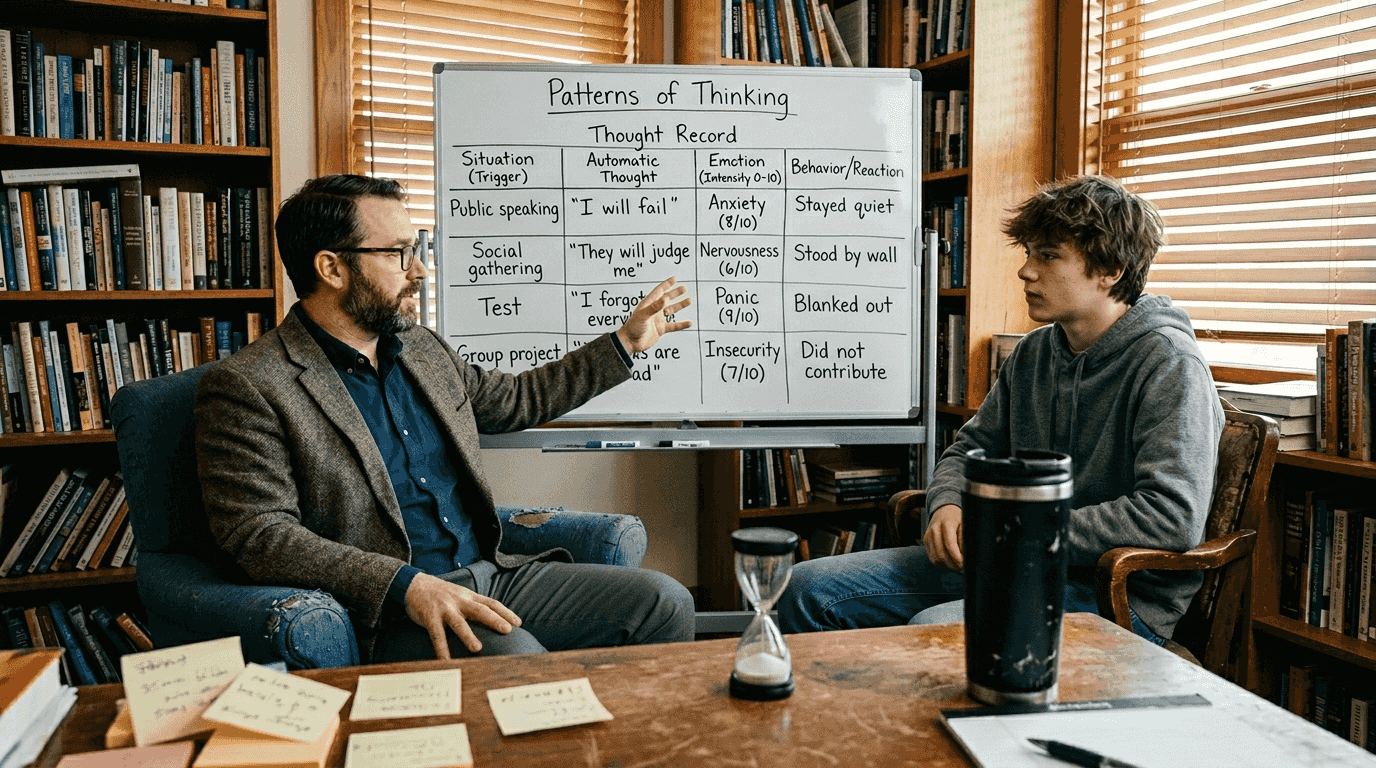
Cognitive restructuring and behavioral experiments form the backbone of effective therapy. Your therapist guides you through identifying distorted thinking, testing whether your fears match reality, and replacing avoidance with productive action. These techniques apply across therapeutic modalities proven effective in California clinical settings.
Common psychotherapy approaches include:
- Cognitive Behavioral Therapy focusing on thought and behavior patterns
- Dialectical Behavior Therapy teaching emotion regulation and distress tolerance
- EMDR processing traumatic memories through bilateral stimulation
- Psychodynamic therapy exploring unconscious patterns and past experiences
- Acceptance and Commitment Therapy building psychological flexibility
Digital adaptations now bring these methods to your smartphone or computer. Teletherapy sessions mirror in-person effectiveness while eliminating commute time and geographic barriers. Apps deliver CBT skills through interactive exercises, mood tracking, and automated support between sessions.
Pro Tip: Start therapy when symptoms first appear rather than waiting for a crisis. Early intervention prevents patterns from becoming entrenched and reduces overall treatment time needed.
Therapists tailor interventions to your specific situation, adjusting techniques based on what helps you progress. This personalization means your treatment plan differs from someone else’s, even with the same diagnosis. The collaborative nature ensures you actively participate in setting goals and choosing strategies that fit your life.
Evidence-based therapies for anxiety and depression
Cognitive Behavioral Therapy is a first-line treatment for anxiety and depressive disorders, recommended by the American Psychological Association and supported by decades of research. CBT outperforms waitlist controls and placebo conditions consistently across studies, with benefits maintained at follow-up assessments months and years later.
The data demonstrates CBT’s superior effectiveness:
| Condition | CBT Effect Size | Comparison | Outcome Measure |
| — | — | — |
| Depression | g = 0.94 | vs. Waitlist | Symptom reduction |
| Generalized Anxiety | g = 1.02 | vs. Placebo | Worry and tension |
| Social Anxiety | g = 0.89 | vs. Control | Social fear |
| Panic Disorder | g = 0.97 | vs. Waitlist | Panic frequency |
These effect sizes indicate large, clinically meaningful improvements. A person starting therapy with moderate depression typically moves to minimal symptoms after completing CBT treatment.
CBT works through specific skill-building components. Behavioral activation gets you moving again when depression saps motivation, scheduling pleasant activities and accomplishments that boost mood naturally. Cognitive restructuring teaches you to catch negative automatic thoughts, examine evidence for and against them, and develop balanced perspectives. Problem-solving training breaks overwhelming challenges into manageable steps with concrete action plans.
Additional CBT techniques include:
- Exposure therapy gradually confronting feared situations to reduce avoidance
- Assertion training expressing needs and boundaries confidently
- Sleep hygiene and insomnia-focused interventions improving rest quality
- Relaxation and breathing exercises calming physical anxiety symptoms
- Activity scheduling structuring days to include valued pursuits
Digital CBT platforms deliver significant symptom reductions through smartphone apps and web-based programs. These tools make evidence-based skills accessible between therapy sessions or as standalone interventions for mild to moderate symptoms. Interactive exercises, automated reminders, and progress tracking enhance engagement and outcomes.
Pro Tip: Practice CBT skills daily, not just when symptoms spike. Regular use of thought records, behavioral activation, and relaxation techniques builds resilience and prevents relapse after therapy ends.
California residents benefit from widespread availability of CBT-trained therapists offering both anxiety-focused approaches and depression treatment protocols. Insurance coverage typically includes CBT as a standard mental health benefit, and sliding-scale options make treatment affordable across income levels.
The structured nature of CBT means you know what to expect each session. Therapists assign homework between meetings, practicing skills in real-world situations where they matter most. This active approach accelerates progress compared to less directive therapies, with many people experiencing significant relief within 12 to 16 sessions.
Psychotherapy’s role in trauma recovery and couples’ mental health
EMDR reduces emotional distress from traumatic memories through bilateral stimulation that helps your brain reprocess stuck experiences. Unlike traditional talk therapy, EMDR doesn’t require detailed descriptions of trauma, making it less overwhelming while remaining highly effective. Sessions involve recalling traumatic events briefly while following hand movements, sounds, or tactile sensations that activate both brain hemispheres.
Trauma-focused therapies differ in approach but share strong evidence:
| Therapy Type | Primary Mechanism | Best For | Session Focus |
|---|---|---|---|
| EMDR | Bilateral stimulation reprocessing | Single-incident trauma | Memory desensitization |
| Trauma-Focused CBT | Exposure and cognitive work | Complex or childhood trauma | Gradual narrative building |
| Prolonged Exposure | Repeated trauma recounting | PTSD with avoidance | Confronting memories safely |
| Cognitive Processing Therapy | Challenging trauma-related beliefs | Military and assault survivors | Meaning-making and acceptance |
These approaches help you move past intrusive memories, nightmares, and hypervigilance that characterize post-traumatic stress. Trauma recovery therapy addresses how traumatic experiences alter your sense of safety, trust, and self-worth, rebuilding healthy perspectives through structured processing.
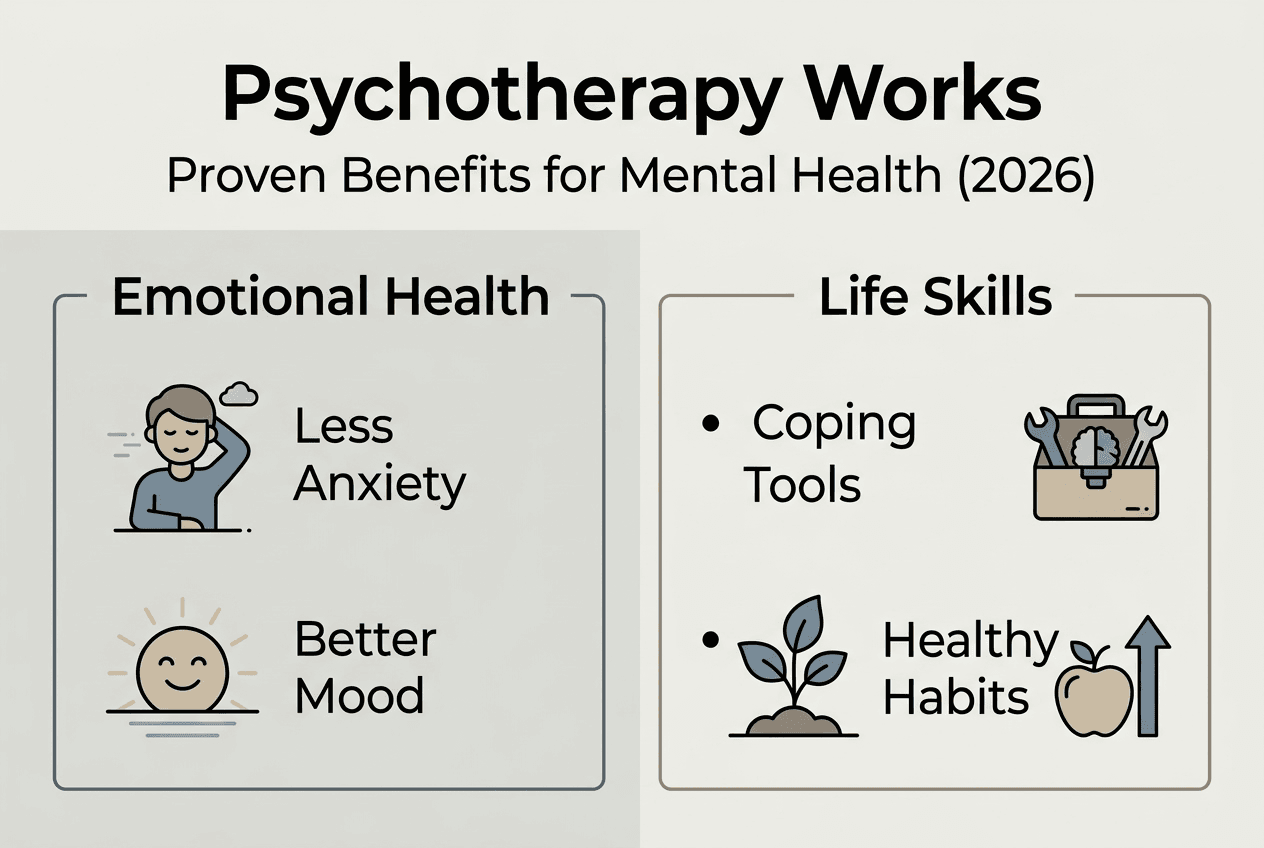
Couples therapy significantly improves PTSD symptoms and relationship functioning simultaneously. When one partner experiences trauma, both people suffer from communication breakdowns, emotional distance, and conflict. Joint sessions teach partners to support each other’s recovery while addressing relationship distress directly.
Research reveals specific factors predicting better outcomes. Younger clients respond more quickly to couples-based PTSD treatment. Males show particularly strong symptom reduction in joint therapy compared to individual approaches. Trauma-focused content and longer session duration correlate with greater improvements in both PTSD and relationship satisfaction.
Couples therapy for trauma offers distinct advantages:
- Partners learn to recognize and respond to trauma triggers supportively
- Communication skills reduce misunderstandings and reactive conflicts
- Shared understanding of PTSD symptoms decreases blame and frustration
- Intimacy rebuilding occurs within a safe therapeutic container
- Both partners develop coping strategies for managing flashbacks and anxiety
The collaborative nature of couples work creates accountability and motivation. Partners practice new skills together between sessions, reinforcing progress and building confidence in the relationship’s resilience. Depression often accompanies PTSD, and couples therapy addresses both conditions through improved connection and mutual support.
EMDR therapy integrates well with couples treatment when both partners understand the process. The non-traumatized partner learns what to expect during their loved one’s EMDR work, reducing confusion and providing informed support during difficult processing periods.
Adherence rates for couples-based trauma therapy exceed individual treatment, partly because partners encourage attendance and practice. The relationship itself becomes a resource for healing rather than another source of stress, shifting dynamics from conflict to collaboration.
Emerging trends: digital and telehealth psychotherapy expanding access in California
Telehealth psychotherapy eliminates geographic and scheduling barriers that prevent many Californians from accessing mental health care. Video sessions through secure platforms let you meet with specialized therapists statewide, not just those near your home or office. You save commute time, avoid waiting rooms, and schedule appointments around work or family obligations more easily.
Digital platforms deliver CBT with comparable outcomes to traditional in-person therapy. Smartphone apps guide you through cognitive restructuring exercises, track mood patterns, and provide crisis coping tools between sessions. These technologies don’t replace therapists but extend their reach and enhance treatment effectiveness.
Benefits of telehealth and digital psychotherapy include:
- Access to specialists regardless of location within California
- Flexible scheduling including evening and weekend appointments
- Reduced stigma from receiving care privately at home
- Lower cost through eliminated travel and childcare expenses
- Continuity of care when traveling or relocating
- Immediate access to coping tools through mobile apps
AI-driven tools personalize treatment by analyzing your symptom patterns and suggesting targeted interventions. Machine learning algorithms identify which CBT components work best for your specific anxiety or depression profile, optimizing your treatment plan faster than trial and error alone. Chatbots provide immediate support during difficult moments, teaching grounding techniques and challenging negative thoughts until you can reach your therapist.
Pro Tip: When selecting telehealth providers, verify they’re licensed in California and trained in evidence-based approaches like CBT or EMDR. Ask about their experience with your specific concerns and whether they offer both video sessions and digital tools for between-session practice.
California’s tech-savvy population embraces these innovations readily. Busy professionals appreciate scheduling therapy during lunch breaks from their office. Parents of young children avoid coordinating childcare for appointments. Rural residents access specialized trauma or couples therapists previously unavailable locally.
Telehealth mental health services maintain the same confidentiality standards as in-person care through encrypted video platforms and secure messaging. Insurance coverage for telehealth expanded significantly in recent years, with most California plans covering video sessions identically to office visits.
Digital interventions work particularly well for anxiety and depression maintenance after completing intensive therapy. Apps remind you to practice relaxation techniques, prompt thought records when mood dips, and celebrate progress through visual tracking. This ongoing support reduces relapse rates and extends therapy benefits long-term.
The flexibility of telehealth options in California matters especially for couples seeking joint therapy. Coordinating schedules becomes simpler when both partners can join from different locations if needed, or together from home in a comfortable, private setting.
Next-generation psychotherapy blends human expertise with technological efficiency. Your therapist reviews data from your app usage, identifying patterns you might miss and adjusting treatment accordingly. This hybrid model combines evidence-based techniques with personalized insights, accelerating progress while maintaining the therapeutic relationship’s essential human connection.
Discover expert psychotherapy services tailored for Californians
You’ve learned how psychotherapy transforms mental health through proven approaches backed by research. Now it’s time to experience these benefits yourself. Revive Health Therapy specializes in affordable, evidence-based treatment for anxiety, depression, trauma, and relationship challenges across California.
Our therapists offer personalized psychotherapy using CBT, EMDR, and other effective modalities tailored to your unique needs. Whether you’re an adult struggling with persistent worry, a parent seeking support for your teen, or a couple working through trauma’s impact on your relationship, we provide compassionate, expert guidance.
Flexible telehealth sessions let you access care from anywhere in California, while in-person options in Walnut Creek and Oakland serve those preferring face-to-face connection. Sliding-scale fees and insurance acceptance make evidence-based therapy accessible regardless of your financial situation. Schedule a consultation today to begin your journey toward lasting mental wellness.
FAQ
What is the most effective type of psychotherapy for anxiety?
Cognitive Behavioral Therapy is a first-line treatment for anxiety disorders, supported by extensive clinical research demonstrating large effect sizes. CBT targets the maladaptive thoughts and avoidance behaviors that maintain anxiety, teaching practical skills for managing worry, panic, and social fears. Most people experience significant symptom reduction within 12 to 16 sessions, with benefits maintained long-term. Multiple anxiety-focused approaches build on CBT foundations, including exposure therapy and acceptance-based techniques.
How does psychotherapy help with trauma recovery?
Psychotherapy helps you process traumatic memories safely, reducing their emotional intensity and intrusive nature. EMDR and trauma-focused CBT specifically target how your brain stores and recalls traumatic experiences, facilitating natural healing processes that got stuck. These approaches decrease flashbacks, nightmares, and hypervigilance while rebuilding your sense of safety and control. Specialized trauma therapy addresses both PTSD symptoms and the broader impact trauma has on relationships, self-esteem, and daily functioning.
Can couples therapy improve mental health outcomes for PTSD?
Yes, couples therapy significantly improves PTSD symptoms while simultaneously enhancing relationship functioning and reducing depression in both partners. Joint sessions teach couples to navigate trauma’s impact together, improving communication and mutual support. Research shows particularly strong outcomes for younger clients, males, and those receiving trauma-focused content in longer sessions. The relationship becomes a healing resource rather than another stressor, with both partners developing skills to manage symptoms and rebuild intimacy. Trauma-informed couples work integrates evidence-based approaches like EMDR within the relational context.
Are telehealth psychotherapy sessions as effective as in-person therapy?
Telehealth psychotherapy delivers outcomes comparable to traditional in-person sessions across anxiety, depression, and trauma treatment. Research demonstrates that video therapy maintains the therapeutic relationship’s essential elements while offering greater flexibility and access. California residents benefit particularly from telehealth’s ability to connect them with specialized therapists statewide, eliminating geographic barriers to evidence-based care. Secure telehealth platforms ensure confidentiality while reducing practical obstacles like commute time and scheduling conflicts that often prevent people from starting or continuing therapy.
Recommended
- Why Seek Psychotherapy: Transforming Mental Wellness – ReviveHealthTherapy
- Psychotherapy in California 2026: Evidence & Options – Revive Health Therapy
- Why seek couples counseling in 2026: proven benefits – ReviveHealthTherapy
- Therapeutic modalities explained: 35% better outcomes in 2026 – ReviveHealthTherapy