
Many people assume psychotherapy for trauma recovery means endlessly retelling painful memories, but modern evidence-based approaches like EMDR and trauma-focused CBT work differently. These therapies help your brain reprocess traumatic experiences without prolonged exposure to distressing details. In California, accessible and affordable options through telehealth, sliding scale fees, and Medi-Cal make effective trauma treatment available statewide. This article explores how psychotherapy supports trauma recovery, compares EMDR and CBT approaches, and guides you to affordable, evidence-based care across California.
Table of Contents
- Understanding Psychotherapy’s Role In Trauma Recovery
- Choosing The Right Therapy: EMDR, Trauma-Focused CBT, And Complex PTSD Approaches
- Accessing Affordable, Evidence-Based Trauma Psychotherapy In California
- Special Considerations And Patient-Centered Choices In Trauma Psychotherapy
- Explore Accessible Trauma Psychotherapy Options At Revive Health Therapy
- Frequently Asked Questions
Key takeaways
| Point | Details |
|---|---|
| Evidence-based therapies work | EMDR and trauma-focused CBT reduce PTSD symptoms effectively through distinct but proven mechanisms. |
| Complex trauma needs phases | Phase-based therapies offer stabilization and skills training before trauma processing for complex PTSD cases. |
| California access improves | Telehealth and sliding scale fees expand affordable trauma therapy access statewide in 2026. |
| Personalization matters | Patient preference and individualized treatment planning optimize trauma recovery outcomes. |
Understanding psychotherapy’s role in trauma recovery
Psychotherapy helps process and reduce the impact of traumatic memories and symptoms by targeting how your brain stores and responds to distressing experiences. Rather than simply talking about trauma, evidence-based therapeutic modalities use specific techniques to change how traumatic memories affect your daily life.
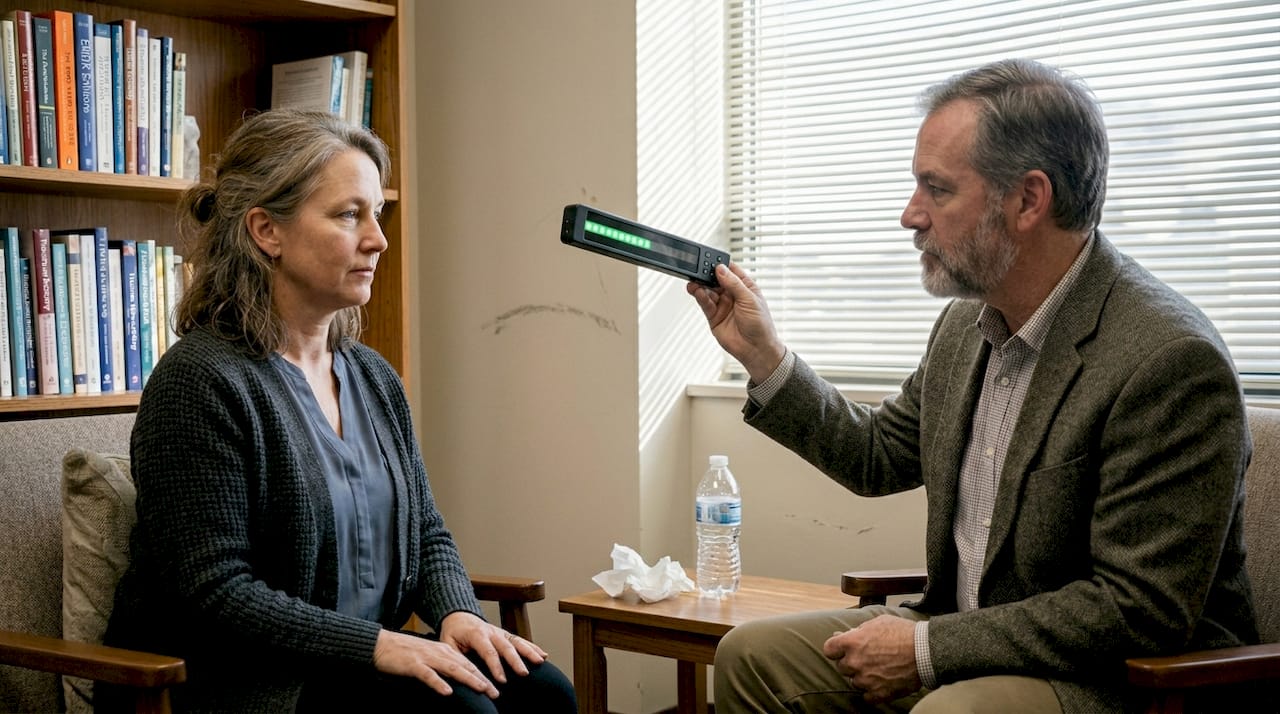
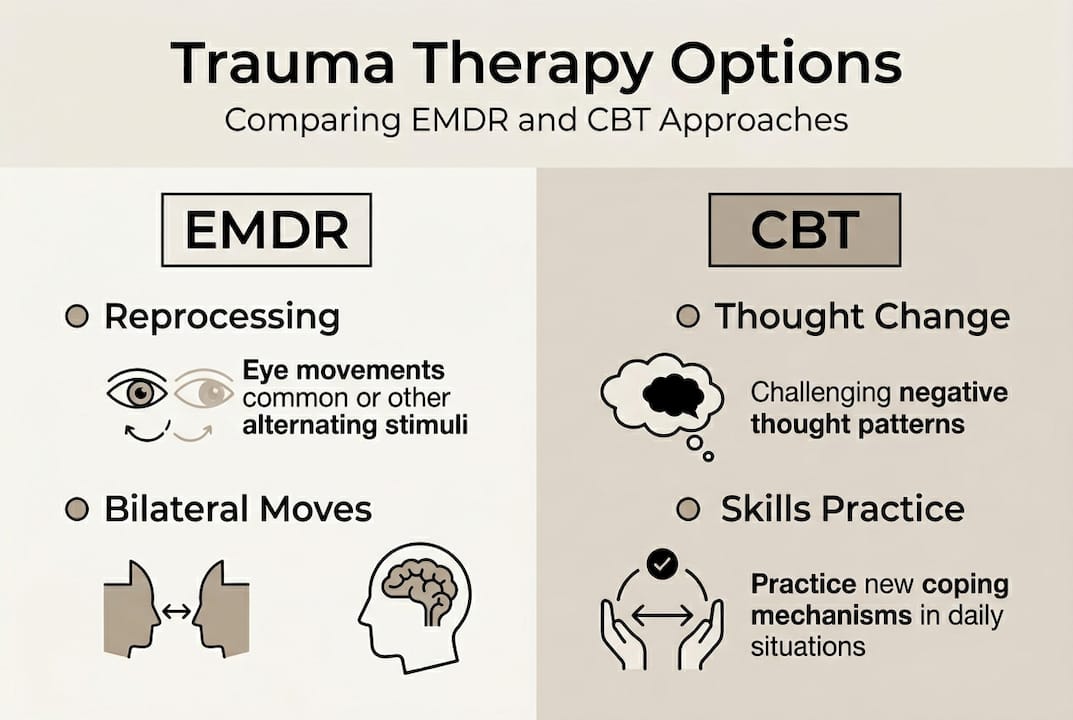
EMDR uses 8 phases and bilateral stimulation to reprocess traumatic memories, reducing distress without prolonged exposure. During sessions, you focus on disturbing memories while following a therapist’s hand movements or listening to alternating sounds. This bilateral stimulation helps your brain reprocess trauma in a way that reduces emotional intensity and physical reactions.
Trauma-focused CBT targets thoughts, feelings, and behaviors to reduce PTSD symptoms effectively. This approach identifies negative thought patterns linked to trauma and teaches you to challenge and replace them with healthier perspectives. You also learn coping skills and gradually confront trauma-related situations in a controlled, safe manner.
Both therapies are supported by strong evidence and recommended by professional guidelines for PTSD treatment. Understanding these methods clarifies how psychotherapy aids recovery beyond traditional talk therapy approaches.
Key differences between EMDR and trauma-focused CBT include:
- EMDR focuses on memory reprocessing through bilateral stimulation with minimal verbal discussion of trauma details
- Trauma-focused CBT emphasizes cognitive restructuring and gradual exposure to trauma-related thoughts and situations
- EMDR sessions typically require less homework between appointments compared to CBT
- Both approaches show comparable effectiveness in reducing PTSD symptoms across diverse trauma types
Pro Tip: Many people respond well to either therapy, so telehealth mental health services in California let you try different approaches with greater convenience and flexibility.
Choosing the right therapy: EMDR, trauma-focused CBT, and complex PTSD approaches
EMDR and trauma-focused CBT have comparable effectiveness but differ in approach, making therapy selection a matter of matching your needs and preferences to the right method. APA, VA/DoD, NICE guidelines recommend EMDR and trauma-focused CBT as first-line treatments with consideration of patient preference. Your symptom profile, trauma type, and personal comfort level should guide this choice.
EMDR uses memory reprocessing with bilateral stimulation, allowing you to work through trauma without extensive verbal description of events. This makes it particularly appealing if discussing traumatic details feels overwhelming or if you struggle to verbalize experiences. Trauma-focused CBT focuses on cognitive restructuring and exposure, teaching you to identify and change unhelpful thought patterns while gradually confronting trauma-related situations.
| Therapy Type | Primary Mechanism | Best For |
|---|---|---|
| EMDR | Bilateral stimulation and memory reprocessing | Single-event trauma, those preferring less verbal processing |
| Trauma-focused CBT | Cognitive restructuring and gradual exposure | Multiple traumas, those wanting structured homework and skills |
| Phase-based therapy | Stabilization before trauma processing | Complex PTSD, high dissociation, emotion regulation challenges |
Complex PTSD often requires phase-based therapy including skills training before trauma exposure. If you experienced prolonged trauma, especially in childhood or relationships, you may benefit from initial stabilization work. Phase-based approaches teach emotion regulation, distress tolerance, and interpersonal skills before addressing traumatic memories directly.
Patient preference and symptom profile should guide therapy choice because research shows both approaches work well when you feel comfortable and engaged. Types of trauma therapy vary in structure and intensity, so discussing your preferences helps match you to the most effective option.
Factors to consider when choosing between EMDR and trauma-focused CBT:
- Your comfort level with discussing traumatic details versus processing memories more indirectly
- Whether you prefer structured homework assignments or primarily in-session work
- The nature of your trauma (single event versus prolonged or complex experiences)
- Co-occurring conditions like depression, anxiety, or dissociation that may influence treatment planning
Pro Tip: Discuss your trauma type and therapy preferences with your counselor to find the best match, and remember that finding a therapist who specializes in your specific needs matters as much as the therapy type itself.
Some therapists integrate elements from both approaches based on your progress and response. Tips for choosing a therapist include asking about their training in specific trauma modalities and their flexibility in adapting treatment to your needs.
Accessing affordable, evidence-based trauma psychotherapy in California
Telehealth expands access to EMDR and CBT statewide in California, eliminating geographic barriers and reducing travel time for busy schedules. You can connect with specialized trauma therapists from anywhere in the state, whether you live in urban centers or rural areas with limited local options. Telehealth therapy in California provides the same quality of care as in-person sessions with added convenience.
Sliding scale fees and Medi-Cal make therapy more affordable for Californians across income levels. In California, telehealth EMDR/CBT are widely available with sliding scale pricing and Medi-Cal acceptance, enhancing affordability. Many providers offer reduced rates based on your income, and Medi-Cal coverage includes evidence-based trauma therapies through qualified providers.
HIPAA-secure platforms protect privacy during online sessions, ensuring your personal health information stays confidential. Reputable telehealth providers use encrypted video conferencing that meets federal privacy standards. This security lets you access therapy from home without compromising the confidentiality you’d expect in a traditional office setting.
Self-pay options with superbills support insurance reimbursement if you have out-of-network benefits. Some therapists provide detailed receipts you can submit to your insurance company for partial reimbursement. This flexibility helps when you want to work with a specific therapist who doesn’t directly accept your insurance plan.
Practical steps to access affordable trauma therapy in California:
- Check if your insurance plan covers EMDR or trauma-focused CBT and verify in-network providers
- Ask potential therapists about sliding scale availability and income-based fee adjustments
- Explore insurance mental health access options including HSA/FSA accounts for therapy expenses
- Contact Medi-Cal managed care plans to find trauma-specialized therapists accepting new patients
- Request superbills from out-of-network therapists if you have reimbursement benefits
Mental health accessibility in California continues improving through expanded telehealth regulations and increased provider participation in insurance networks. State initiatives in 2026 focus on reducing wait times and increasing trauma-informed care availability.
Pro Tip: Verify coverage and payment options before starting therapy to maximize affordability and access, and don’t hesitate to ask therapists directly about their most affordable service options during initial consultations.
Special considerations and patient-centered choices in trauma psychotherapy
Trauma survivors often have co-occurring conditions affecting therapy choice and progress, including depression, anxiety disorders, and substance use challenges. These comorbidities don’t prevent successful trauma treatment, but they do influence the timing and approach your therapist recommends. Addressing multiple conditions simultaneously or sequentially depends on symptom severity and your overall functioning.
High dissociation or borderline personality disorder require stabilization phases before trauma focus. Patients with high dissociation or comorbidities may benefit from phase-based or DBT-PTSD therapy to stabilize before trauma processing. If you frequently feel disconnected from your body or surroundings, or struggle with intense emotional swings, your therapist may prioritize grounding skills and emotion regulation before addressing traumatic memories directly.
Phase-based therapy improves emotion regulation and interpersonal skills through structured skill-building before trauma processing. This approach teaches you to manage distressing emotions, tolerate uncomfortable feelings, and navigate relationships more effectively. These foundational skills make trauma work safer and more effective when you’re ready to begin.
Therapy planning should be personalized and flexible, adapting to your progress and changing needs over time. The role of therapy in trauma recovery varies significantly based on individual circumstances, trauma history, and personal goals. What works for one person may not suit another, even with similar trauma experiences.
Patient-clinician collaboration enhances recovery outcomes because you know your experiences and needs better than anyone. Effective trauma therapy involves ongoing communication about what’s working, what feels too intense, and when you’re ready to move forward. Your therapist should welcome your input and adjust treatment accordingly.
Factors that may require specialized or modified trauma therapy approaches:
- Ongoing safety concerns or current trauma exposure requiring crisis intervention first
- Severe dissociative symptoms that interfere with memory processing work
- Active substance use that may need concurrent addiction treatment
- Chronic pain or medical conditions affecting your ability to tolerate therapy intensity
- Cultural or religious considerations that influence how you understand and process trauma
Individual therapy for trauma recovery provides the personalized attention needed to address these complex factors. Your therapist can tailor interventions to your specific situation rather than applying a one-size-fits-all protocol.
Co-occurring depression often improves as trauma symptoms decrease, but sometimes requires direct treatment alongside trauma work. Depression treatment with evidence-based options can complement trauma therapy, especially when depressive symptoms significantly impair your daily functioning or motivation for trauma work.
Explore accessible trauma psychotherapy options at Revive Health Therapy
Revive Health Therapy offers expert trauma psychotherapy including EMDR and CBT, delivered by licensed therapists trained in evidence-based trauma treatment. Our team understands the complexities of trauma recovery and provides compassionate, personalized care tailored to your unique needs and goals.

Telehealth options provide convenient access across California, eliminating travel barriers and fitting therapy into your schedule more easily. Whether you’re in Oakland, Walnut Creek, or anywhere else in the state, you can connect with our trauma specialists from the comfort of your home. Sliding scale and insurance options enhance affordability, making quality trauma therapy accessible regardless of your financial situation. We accept HSA/FSA plans and work with you to find payment solutions that fit your budget.
Professional therapists prioritize personalized, evidence-based care that respects your pace and preferences. We collaborate with you to choose the right approach, whether that’s trauma therapy, phase-based treatment, or integrated methods. Find a therapist who understands your needs and offers online therapy in California with flexible scheduling and secure platforms.
Frequently asked questions
What is the difference between EMDR and trauma-focused CBT?
EMDR reprocesses trauma memories using bilateral stimulation like eye movements or alternating sounds, allowing your brain to process experiences without extensive verbal discussion. Trauma-focused CBT changes thoughts and behaviors through cognitive restructuring and gradual exposure to trauma-related situations. Both are evidence-based and effective, with comparable outcomes for PTSD symptom reduction. Your choice depends on personal preference and comfort with different therapeutic approaches.
How can I find affordable trauma therapy in California?
Use Medi-Cal, sliding scale fees, and telehealth services to reduce costs and expand access to qualified trauma therapists. Many providers offer income-based fee adjustments that make therapy affordable across different financial situations. Check therapist insurance acceptance and payment options before starting therapy, and ask about superbills if you have out-of-network reimbursement benefits. HSA and FSA accounts can also cover therapy expenses.
Are phase-based therapies necessary for all trauma survivors?
Phase-based therapy benefits those with complex PTSD, high dissociation, or co-occurring disorders like borderline personality disorder. These approaches provide stabilization and skill-building before trauma processing begins. Not all trauma survivors require phase-based stabilization, especially those with single-event trauma and good baseline emotion regulation. Your therapist assesses your specific needs and recommends the most appropriate treatment structure.
Is telehealth therapy as effective as in-person sessions for trauma recovery?
Studies support telehealth therapy effectiveness for trauma recovery, showing comparable outcomes to in-person treatment for both EMDR and trauma-focused CBT. Telehealth increases accessibility and convenience without compromising quality, allowing you to access specialized trauma therapists regardless of location. HIPAA-secure platforms ensure privacy and confidentiality equivalent to traditional office settings. Many people find the comfort of their own space actually enhances their therapy experience.
Recommended
- Psychotherapy in California 2026: Evidence & Options – Revive Health Therapy
- Why Seek Individual Therapy for Trauma Recovery – ReviveHealthTherapy
- Role of Therapy in Trauma Recovery: Evidence and Impact – ReviveHealthTherapy
- Role of psychotherapy in mental health: proven benefits 2026 – Revive Health Therapy
5 Responses