
Choosing therapy can feel overwhelming. California residents face countless mental health options, but not all deliver proven results. Many individuals struggling with anxiety, depression, trauma, or relationship issues waste time and money on approaches lacking scientific support. Understanding what evidence-based therapy offers helps you make informed decisions about your mental health care. This article explains why research-backed treatments matter, which therapies work best for common conditions, and how Californians can access affordable, effective care for lasting recovery.
Table of Contents
- Key takeaways
- What is evidence-based therapy and why it matters
- Common evidence-based therapies for anxiety, depression, trauma, and relationships
- How evidence-based therapy improves mental health outcomes
- Accessing affordable evidence-based therapy in California
- Support your mental health journey with Revive Health Therapy
- Frequently asked questions
Key Takeaways
| Point | Details |
|---|---|
| Definition and purpose | Evidence based therapy uses treatments proven effective by rigorous research and blends research evidence with clinical expertise and patient values. |
| Tangibile benefits | Evidence based approaches lead to improved symptom reduction, enhanced safety, and more efficient care for anxiety, depression, trauma, and relationship challenges. |
| California access | Californians of all ages can access affordable evidence based therapy options across diverse communities. |
| Choosing a therapist | When selecting a therapist ask about their training in evidence based modalities and how they stay current with research. |
What is evidence-based therapy and why it matters
Evidence-based therapy is defined as treatments supported by rigorous scientific research demonstrating their effectiveness. Unlike traditional approaches that rely solely on clinical intuition or outdated methods, evidence-based practices integrate three core elements: the best available research evidence, clinical expertise, and patient values and preferences. This combination ensures you receive care proven to work while respecting your individual needs and circumstances.
The contrast between validated and non-validated approaches matters significantly. Traditional therapy might feel comfortable but lack scientific backing for treating specific conditions. Evidence-based methods undergo rigorous testing through controlled studies, meta-analyses, and peer review before clinicians adopt them. This process filters out ineffective treatments and identifies what actually helps people recover from mental health challenges.
California has seen growing access to evidence-based therapy options across diverse communities. This expansion means more residents can access treatments proven effective for anxiety disorders, major depression, trauma recovery, and relationship conflicts. The APA evidence-based therapy guidelines outline which approaches meet scientific standards for various conditions.
Key benefits of evidence-based approaches include:
- Improved treatment outcomes with measurable symptom reduction
- Enhanced safety through tested protocols and standardized practices
- Better resource efficiency by avoiding ineffective interventions
- Faster recovery timelines compared to trial-and-error methods
- Lower relapse rates due to addressing root causes effectively
Pro Tip: When selecting a therapist, ask directly about their training in evidence-based modalities and how they stay current with research. Qualified practitioners should readily discuss their approach and explain why specific methods suit your needs.
Understanding these principles empowers you to advocate for quality care. Mental health treatment shouldn’t be guesswork. Scientifically validated therapies give you the best chance at meaningful, lasting recovery from conditions that impact your daily life and relationships.
Common evidence-based therapies for anxiety, depression, trauma, and relationships
Cognitive Behavioral Therapy (CBT), Eye Movement Desensitization and Reprocessing (EMDR), and Dialectical Behavior Therapy (DBT) are among the most effective evidence-based therapies for common mental health conditions. Each modality targets specific symptoms and challenges through distinct techniques backed by decades of research. Understanding their differences helps you identify which approach aligns best with your recovery goals.
CBT focuses on identifying and changing negative thought patterns that fuel anxiety and depression. Therapists help you recognize distorted thinking, challenge unhelpful beliefs, and develop healthier responses to stressful situations. Sessions typically involve homework assignments where you practice new skills between appointments. This structured approach works exceptionally well for panic disorder, social anxiety, generalized anxiety disorder, and major depression.

EMDR specifically addresses trauma by helping your brain reprocess disturbing memories. The therapist guides you through recalling traumatic events while using bilateral stimulation, typically eye movements. This process reduces the emotional charge attached to memories, allowing you to move past experiences that previously triggered intense reactions. EMDR shows remarkable effectiveness for PTSD, childhood trauma, and single-incident traumas.
DBT combines cognitive-behavioral techniques with mindfulness practices to help people manage intense emotions. Originally developed for borderline personality disorder, DBT now treats various conditions involving emotional dysregulation. The therapy teaches four skill sets: mindfulness, distress tolerance, emotion regulation, and interpersonal effectiveness. These tools prove invaluable for relationship conflicts, self-harm behaviors, and chronic suicidal ideation.
| Therapy Type | Primary Focus | Best For | Typical Duration | Key Techniques |
|---|---|---|---|---|
| CBT | Thought patterns | Anxiety, depression | 12-20 sessions | Cognitive restructuring, behavioral activation |
| EMDR | Trauma processing | PTSD, trauma recovery | 6-12 sessions | Bilateral stimulation, memory reprocessing |
| DBT | Emotion regulation | Relationship issues, intense emotions | 6-12 months | Mindfulness, distress tolerance skills |
| ACT | Values and acceptance | Chronic stress, life transitions | 8-16 sessions | Acceptance, committed action |
Acceptance and Commitment Therapy (ACT) represents another powerful evidence-based approach. Rather than fighting difficult thoughts and feelings, ACT teaches psychological flexibility through accepting what you cannot control while committing to actions aligned with your values. This method excels for chronic pain, stress management, and helping people navigate major life changes.
The NIMH psychotherapies overview provides detailed information about how these treatments work and their scientific foundations. Research consistently demonstrates that matching therapy type to your specific condition produces better outcomes than generic counseling.
Pro Tip: Consider therapist expertise alongside therapy type. A highly skilled CBT practitioner may achieve better results than an inexperienced EMDR therapist, even if EMDR theoretically suits your condition better. Ask about training, supervision, and years of experience with specific modalities.
Your unique situation determines which approach works best. Someone with recent trauma might benefit most from EMDR, while another person struggling with persistent negative thoughts about relationships could thrive with CBT. Many therapists integrate multiple types of trauma therapy based on client needs, creating personalized treatment plans that draw from various evidence-based methods.
How evidence-based therapy improves mental health outcomes
Patients receiving evidence-based therapy report 30-40% greater improvement in symptoms compared to non-evidence-based methods. This substantial difference translates into faster recovery, reduced suffering, and lower healthcare costs over time. The scientific validation behind these approaches ensures you invest your time and resources in treatments proven to work rather than hoping for results.
Research comparing evidence-based and traditional therapies reveals striking differences in recovery rates. Studies tracking thousands of patients show those receiving validated treatments achieve symptom remission in significantly fewer sessions. For anxiety disorders, evidence-based approaches reduce symptoms to manageable levels in an average of 12-16 sessions, while non-validated methods often require 20-30 sessions for similar results. Depression responds even more dramatically, with structured CBT protocols producing measurable improvement within 8-12 weeks.
| Outcome Measure | Evidence-Based Therapy | Traditional Therapy | Difference |
|---|---|---|---|
| Symptom reduction | 65-75% improvement | 35-45% improvement | 30-40% better |
| Treatment completion rate | 75-85% finish | 50-60% finish | 25% higher retention |
| Relapse within 1 year | 15-25% relapse | 35-50% relapse | 20-25% lower |
| Patient satisfaction | 85-90% satisfied | 60-70% satisfied | 20-25% higher |
The effectiveness meta-analysis examining hundreds of therapy studies confirms these patterns across diverse populations and settings. Evidence-based treatments consistently outperform alternative approaches regardless of patient demographics, severity of symptoms, or geographic location.
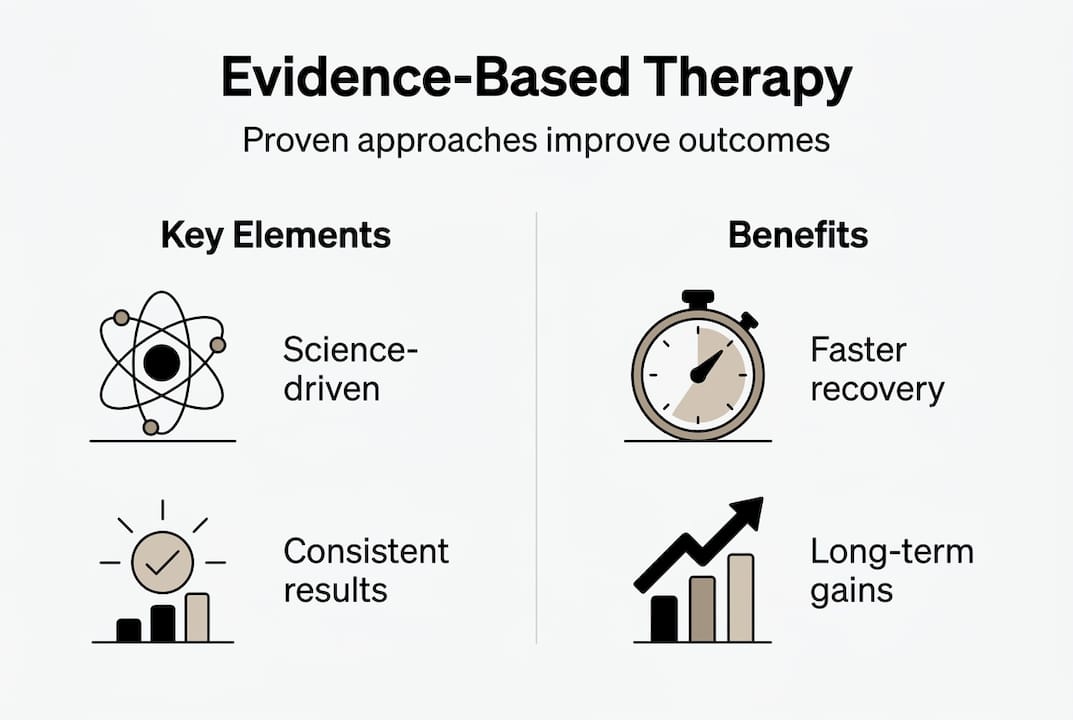
Beyond symptom reduction, evidence-based therapy improves treatment adherence and reduces dropout rates. When people understand their treatment plan follows proven protocols with clear goals and milestones, they stay engaged longer. Therapists using structured approaches can track progress objectively, adjusting interventions when clients plateau rather than continuing ineffective strategies. This responsiveness keeps therapy productive and prevents frustration.
Relapse prevention represents another critical advantage. Evidence-based therapies teach specific skills you can apply independently after treatment ends. CBT clients learn to identify early warning signs of depression or anxiety and implement coping strategies before symptoms escalate. EMDR clients develop resources for managing trauma triggers. These tools create lasting change rather than temporary relief dependent on ongoing therapy.
“Evidence-based psychotherapy provides the most reliable path to mental health recovery because it rests on scientific validation rather than anecdote or tradition. Patients deserve treatments proven effective through rigorous research.”
Key benefits of evidence-based approaches include:
- Faster symptom relief through targeted, efficient interventions
- Measurable progress tracking with objective assessment tools
- Lower total treatment costs due to shorter therapy duration
- Reduced risk of worsening symptoms from inappropriate methods
- Transferable skills that prevent future mental health crises
- Higher confidence in treatment effectiveness based on research data
Pro Tip: Ask your therapist how they measure treatment progress beyond subjective feelings. Quality practitioners use validated assessment scales at regular intervals to track symptom changes objectively. This data-driven approach ensures therapy remains effective and allows timely adjustments when needed.
The benefits of evidence-based psychotherapy extend beyond individual recovery. When more people access effective treatment, communities experience lower rates of crisis intervention, reduced emergency room visits for mental health issues, and decreased burden on social services. Investing in proven therapies creates positive ripple effects throughout California’s healthcare system.
Accessing affordable evidence-based therapy in California
Telehealth therapy and sliding scale payment options are expanding access to affordable evidence-based care in California for diverse populations. Cost concerns prevent many people from seeking mental health treatment, but multiple pathways exist to obtain quality therapy regardless of income level. Understanding available resources and insurance options helps you navigate the system effectively.
Telehealth has revolutionized mental health access across California’s vast geography. Rural residents no longer need to drive hours for appointments. Working professionals can attend sessions during lunch breaks. Parents with childcare challenges can receive therapy from home. The benefits of telehealth therapy include convenience, reduced travel costs, and access to specialists who might not practice in your local area. Research confirms telehealth delivers outcomes equivalent to in-person treatment for most conditions.
Insurance coverage significantly reduces therapy costs. Covered California insurance options include mental health benefits mandated by the Affordable Care Act. Most plans cover evidence-based psychotherapy with copays ranging from $20 to $60 per session. Many therapists accept major insurance providers, making treatment affordable for middle-income families. Always verify your specific plan’s mental health benefits and any session limits before starting therapy.
Finding qualified evidence-based therapists requires research but yields better outcomes:
- Search professional directories like Psychology Today filtering for specific modalities (CBT, EMDR, DBT)
- Verify licenses through the California Board of Behavioral Sciences website
- Check therapist profiles for specialized training certificates in evidence-based methods
- Read client reviews focusing on treatment effectiveness and therapist approach
- Schedule consultation calls with 2-3 therapists to assess fit and expertise
- Ask directly about their experience treating your specific condition
- Confirm they accept your insurance or offer sliding scale fees
Affordability resources for California residents include:
- Community mental health centers offering services based on income
- University training clinics providing low-cost therapy from supervised graduate students
- Employee Assistance Programs (EAPs) through your workplace
- HSA and FSA accounts covering therapy expenses tax-free
- Nonprofit organizations specializing in specific populations or conditions
- County mental health services for uninsured or underinsured individuals
The affordable therapy services in California landscape continues expanding as more providers recognize cost barriers. Many private practice therapists reserve slots for reduced-fee clients, though these fill quickly. Inquiring about waitlists for sliding scale spots can eventually provide access to experienced clinicians at manageable costs.
Pro Tip: When exploring sliding scale options, be prepared to provide income documentation. Therapists offering reduced fees need to verify financial need to maintain their practice sustainability while serving diverse clients.
Children and families face unique access challenges. Pediatric mental health specialists remain scarce in many California regions, creating long wait times for evidence-based treatment. Telehealth partially addresses this shortage by connecting families with qualified child therapists statewide. Some therapists specialize in parent coaching, teaching evidence-based techniques you can implement at home between sessions, maximizing treatment efficiency and reducing costs.
Trauma survivors seeking specialized care can explore resources for finding affordable trauma therapy that meets clinical standards. EMDR and trauma-focused CBT require specific training beyond general therapy licenses. Ensuring your therapist has completed recognized certification programs guarantees you receive properly implemented evidence-based trauma treatment rather than modified versions lacking research support.
Support your mental health journey with Revive Health Therapy
Navigating mental health care becomes easier when you partner with providers committed to evidence-based practices and accessibility. Revive Health Therapy offers comprehensive, scientifically validated treatment for anxiety, depression, trauma recovery, and relationship challenges throughout California. Our therapists specialize in proven modalities including EMDR, CBT, and mindfulness-based approaches tailored to your unique needs.
We understand cost concerns prevent many Californians from seeking help. That’s why seek psychotherapy in California through providers offering flexible payment options and insurance acceptance. Revive Health Therapy provides sliding scale fees and accepts most major insurance plans, making quality mental health care accessible regardless of income level. Our secure telehealth platform connects you with experienced therapists from anywhere in California, eliminating travel barriers and scheduling conflicts.
Families seeking support for children and teens benefit from our specialized teen therapy services designed to address developmental needs while employing evidence-based techniques. Trauma survivors find compassionate, expert care through our accessible trauma therapy programs. Contact Revive Health Therapy today to begin your personalized path toward lasting mental wellness with proven, affordable treatment.
Frequently asked questions
What is evidence-based therapy?
Evidence-based therapy refers to treatment methods supported by rigorous scientific research demonstrating their effectiveness for specific mental health conditions. These approaches combine the best available research evidence with clinical expertise and patient preferences. Unlike traditional methods relying on intuition alone, evidence-based therapies undergo extensive testing through controlled studies before clinicians adopt them for treating anxiety, depression, trauma, and relationship issues.
How can I find affordable evidence-based therapy in California?
Start by checking your insurance coverage through plans like Covered California, which mandate mental health benefits including evidence-based psychotherapy. Explore telehealth options that reduce costs by eliminating travel and often offer more flexible pricing. Search for therapists offering sliding scale fees based on income, and consider community mental health centers or university training clinics. Always verify the therapist holds proper licenses and specialized training in evidence-based modalities like CBT, EMDR, or DBT before beginning treatment.
Which mental health conditions benefit most from evidence-based therapy?
Anxiety disorders, major depression, post-traumatic stress disorder, and relationship conflicts show the strongest response to evidence-based treatments. Research demonstrates 30-40% better outcomes compared to non-validated approaches for these conditions. Evidence-based therapies adapt effectively for children, adolescents, adults, and families, with specific protocols tailored to developmental stages. Conditions involving emotional dysregulation, trauma recovery, and persistent negative thought patterns particularly benefit from scientifically validated interventions.
What should I ask a therapist to ensure they use evidence-based therapy?
Inquire specifically about which therapy modalities they practice and the scientific research supporting those approaches. Ask about their training, certifications, and continuing education in evidence-based methods like CBT, EMDR, or DBT. Request information about how they track treatment outcomes and adjust interventions based on your progress. Confirm they hold current California licenses and have experience treating your specific condition. Quality therapists welcome these questions and provide clear answers about their evidence-based approach and expected treatment timeline.
Recommended
- Depression Treatment: Evidence-Based Solutions That Work – ReviveHealthTherapy
- Why Seek Psychotherapy: Transforming Mental Wellness – ReviveHealthTherapy
- Role of psychotherapy in mental health: proven benefits 2026 – Revive Health Therapy
- How to Choose Therapy Type for Your Mental Health Needs – ReviveHealthTherapy
5 Responses